


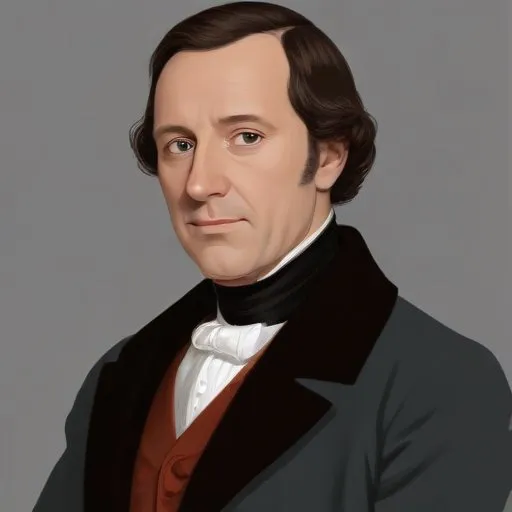
A renowned Sinologist who wrote extensively on Chinese history and culture, particularly the Qing dynasty, making Chinese history accessible to Western readers.
Jonathan Spence, a renowned Sinologist, is best known for his groundbreaking work on the history of China, particularly the Qing dynasty. His magnum opus, "The Death of Woman Wang," offers a poignant glimpse into the lives of ordinary people in 17th-century China, earning him a permanent place in the annals of historiography.
Born in 1936, Spence's fascination with China began at a young age. He pursued his passion at Yale University, where he earned his Ph.D. in history. His subsequent academic career took him to Cambridge, Harvard, and Yale, where he taught for over three decades.
Spence's work has been recognized with numerous awards, including the prestigious MacArthur Fellowship in 1988. His books, such as "Emperor of China: Self-Portrait of K'ang-hsi" and "The Chan's Great Continent: China in Western Minds," have been praised for their meticulous research and engaging narrative.
Spence's work has focused on the intersection of politics, culture, and society in China. His research has taken him deep into the archives of the Forbidden City, where he uncovered hidden documents and diaries that revealed the intricacies of Imperial Chinese life.
Spence's contributions to the field of Sinology have been profound. His work has inspired a new generation of scholars to explore the complexities of Chinese history and culture.
As a testament to his influence, the Jonathan Spence Fellowship was established at Yale University, providing opportunities for young scholars to pursue research in Chinese studies.
Colleagues and critics alike have praised Spence's unique approach to history, which blends meticulous research with vivid storytelling.
"Spence's work is a testament to the power of history to illuminate the human condition," notes historian Timothy Brook. "He has given us a new understanding of China's past and its continuing relevance to our world today."
Jonathan Spence's life's work has left an indelible mark on our understanding of China's rich cultural heritage. As we continue to navigate the complexities of modern China, his scholarship serves as a beacon, reminding us of the importance of history in shaping our collective future.
Through his tireless pursuit of knowledge, Spence has inspired us to reexamine our assumptions about the past and to seek out new perspectives on the world around us.
95 Years Old
A renowned expert on East Asia, particularly Japan and China, known for his in-depth research and insightful writings on the region's societies, economies, and politics.
