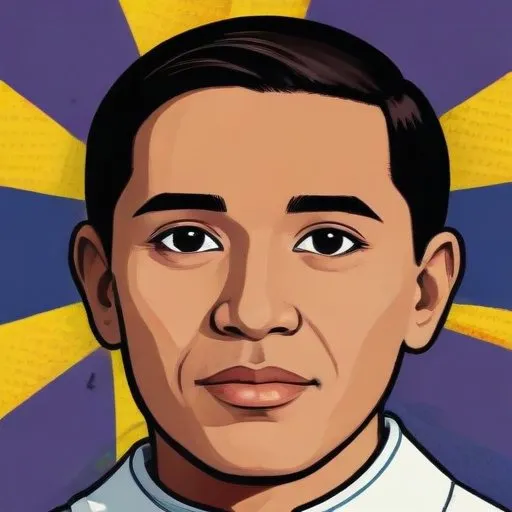
José María of Manila: The Martyred Friar of the Spanish Civil War
A Life of Devotion and Sacrifice
José María of Manila is hailed as the third Filipino to be declared blessed by the Roman Catholic Church, a testament to his unwavering dedication to his faith and his people. This Capuchin friar's life was marked by a relentless pursuit of spiritual growth, education, and service, ultimately culminating in his martyrdom during the tumultuous Spanish Civil War.
Early Life and Education
Born on September 5, 1880, in Manila, Philippines, to Spanish parents Don Eugenio del Saz Orrózco de la Oz and Doña Felisa Mortera y Camacho, José María's early years were characterized by a strong educational foundation. He attended the prestigious Ateneo de Manila University, Colegio de San Juan de Letran, and University of Santo Tomas, before leaving the Philippines at the tender age of 16 to pursue further studies in Spain.
A Calling to Priesthood
Ordained a priest on November 30, 1910, José María embarked on a lifelong journey of spiritual service and growth. His priestly duties took him to various parts of Spain, where he worked tirelessly to spread the message of love, compassion, and redemption.
The Spanish Civil War and Martyrdom
The outbreak of the Spanish Civil War in 1936 marked a brutal turning point in José María's life. As the military generals staged a fascist uprising, the anti-fascist forces responded with equal ferocity. On August 17, 1936, José María was executed by the anti-fascist side at the gardens of the Cuartel de la Montaña, a military building in Madrid. His martyrdom was a testament to his unwavering commitment to his faith, even in the face of adversity.
Beatification and Legacy
On March 27, 2013,
Pope Francis approved the findings of the Congregation for the Causes of Saints, recognizing José María and 521 other companions as martyrs of the Spanish Civil War. They were beatified on October 13, 2013, in Tarragona, Spain. This recognition solidified José María's place in the annals of Catholic history, inspiring generations to come.
Philosophical Contributions and Beliefs
José María's life was guided by a deep sense of devotion, compassion, and service. His unwavering commitment to his faith was rooted in his firm belief in the power of redemption and the importance of spiritual growth. His martyrdom serves as a poignant reminder of the human cost of conflict and the enduring power of faith in the face of adversity.
Personal Milestones and Key Life Events
- September 5, 1880: Born in Manila, Philippines
- 1910: Ordained a priest
- 1936: Executed during the Spanish Civil War
- 2013: Beatified by Pope Francis
Influence on Modern Society
José María's life and martyrdom serve as a powerful testament to the enduring power of faith and conviction. His legacy continues to inspire people around the world, reminding us of the importance of compassion, service, and devotion in the face of adversity.
FAQ
What was José María of Manilas role in the Philippine Revolution?
José María of Manila was a Spanish-Filipino priest who played a significant role in the Philippine Revolution, serving as a spiritual advisor to many revolutionaries and advocating for Philippine independence.
How did José María of Manila become a martyr?
José María of Manila was martyred on February 17, 1897, during the Philippine Revolution, when he was executed by Spanish authorities for his involvement in the rebellion.
What was José María of Manilas early life like?
José María of Manila was born on December 20, 1861, in Intramuros, Manila, and was ordained as a priest in 1887. He became known for his advocacy on behalf of the Filipino people and his support for social justice.
What is José María of Manilas significance in Philippine history?
José María of Manila is revered as a national hero in the Philippines, symbolizing the countrys struggle for independence and his ultimate sacrifice for the cause.
How is José María of Manila remembered today?
José María of Manila is remembered through various monuments and landmarks in the Philippines, including a shrine dedicated to his memory in Manila.