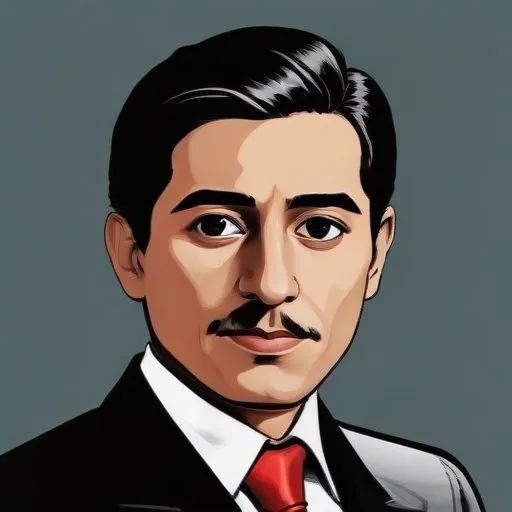
José Pablo Moncayo: The maestro of Mexican nationalism
A Legacy of Musical Excellence
José Pablo Moncayo is widely regarded as one of the most important composers of Mexican nationalism, a movement that sought to preserve and promote the country's rich cultural heritage. With his unique blend of traditional folk melodies and modernist techniques, Moncayo's music continues to resonate with audiences around the world.
Early Life and Education
Born on June 29, 1912, in Guadalajara, Jalisco, Moncayo was introduced to music by his elder brother Francisco. At the tender age of 14, he began taking lessons with Eduardo Hernández Moncada, who recognized his talent and encouraged him to study at the National Conservatory.
In 1929, Moncayo enrolled at the conservatory, where he honed his skills as a pianist and composer. He was fortunate to have had esteemed teachers such as Candelario Huizar, who taught him composition, and Hernández Moncada, who continued to guide him on the piano.
A Career of Musical Innovation
Moncayo's compositional style was deeply rooted in Mexican folk music, which he masterfully combined with modernist techniques to create a unique sound. His music often featured complex rhythms, polytonal harmonies, and an emphasis on percussion, which gave it a distinctive energy and vitality.
One of his most famous works is the orchestral piece "Huapango," which premiered in 1941 and has since become a beloved classic of Mexican music. The piece showcases Moncayo's ability to craft melodies that are both catchy and sophisticated, with a rich tapestry of instrumental textures.
Legacy and Impact
Moncayo's music has had a profound impact on modern Mexican culture, inspiring generations of composers, musicians, and music lovers alike. His legacy extends beyond his own country, as his music has been performed and admired by audiences around the world.
In recognition of his contributions to Mexican music, Moncayo was awarded the Premio Nacional de Música in 1946, the highest honor bestowed by the Mexican government for cultural achievements.
Personal Milestones and Key Life Events
- 1929: Enrolled at the National Conservatory of Music in Mexico City
- 1941: Premiered "Huapango," his most famous orchestral piece
- 1946: Awarded the Premio Nacional de Música for his contributions to Mexican music
- June 16, 1958: Passed away at the age of 45, leaving behind a legacy of musical excellence
Inspirational Quotes
"Music is not just an art form, but a way to express the essence of our national identity."
"The beauty of Mexican music lies in its simplicity, its sincerity, and its profound connection to our cultural heritage."
Through his music and his legacy, José Pablo Moncayo continues to inspire generations of musicians and music lovers, ensuring that the spirit of Mexican nationalism remains alive and vibrant for years to come.
FAQ
What is José Pablo Moncayos claim to fame in Mexican music?
José Pablo Moncayo is famous for his iconic work Huapango, a symphonic composition that is considered one of the most important pieces of Mexican classical music.
What was José Pablo Moncayos role in Mexican cultural development?
José Pablo Moncayo played a significant role in Mexican cultural development, promoting and preserving traditional folk music while also introducing modernist elements to Mexican classical music.
What instruments did José Pablo Moncayo play?
José Pablo Moncayo was a skilled pianist and composer, and he often incorporated traditional Mexican instruments, such as the mariachi guitar, into his compositions.
How did José Pablo Moncayos music reflect Mexican culture?
José Pablo Moncayos music reflected Mexican culture by incorporating folk melodies, rhythms, and instrumentation, creating a unique blend of traditional and modern elements that showcased the countrys rich cultural heritage.
What is José Pablo Moncayos legacy in Mexican music?
José Pablo Moncayos legacy in Mexican music is that of a national hero who elevated the countrys cultural status through his innovative and accessible compositions, which continue to inspire new generations of musicians and composers.