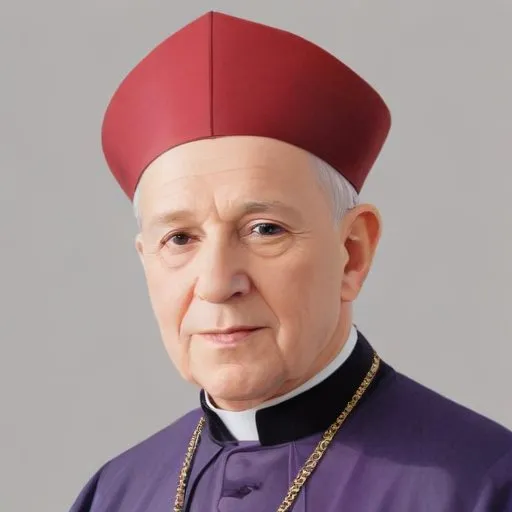
Joseph Charbonneau: The Architect of Labour Rights and Interdenominational Dialogue
A Champion of the Working Class
Joseph Charbonneau is perhaps best known for his pivotal role in the Asbestos Strike, a seminal moment in Canadian labour history. As the Archbishop of Montreal from 1940 to 1950, Charbonneau fearlessly championed the rights of workers, leaving an indelible mark on the country's social and economic fabric.
Early Life and Priesthood
Born on July 31, 1892, in Lefaivre, Alfred and Plantagenet, Charbonneau was ordained to the priesthood on June 24, 1916. His early years as a priest laid the foundation for his future advocacy on behalf of the marginalized and oppressed.
Rise to Prominence
On June 22, 1939, Charbonneau was appointed Bishop of Hearst by
Pope Pius XI, marking the beginning of his illustrious career as a prelate. He received his episcopal consecration on August 15, 1939, with Archbishop Joseph-Guillaume-Laurent Forbes, Archbishop Emile Yelle, PSS, and Bishop Louis Rhaume, OMI, serving as co-consecrators.
Archbishop of Montreal and Labour Advocate
Charbonneau's appointment as Coadjutor Archbishop of Montreal and Titular Archbishop of Amorium on May 21, 1940, set the stage for his most significant contributions. He succeeded Archbishop
Georges Gauthier on August 31, 1940, and went on to become a powerful voice for labour rights, earning him both admiration and criticism from various quarters.
The Asbestos Strike and Its Legacy
The Asbestos Strike, which began in 1949, was a pivotal moment in Canadian labour history. Charbonneau's vocal support for the striking workers, who were demanding better working conditions and fair wages, cemented his reputation as a champion of the working class. His leadership helped pave the way for future labour reforms and inspired a generation of social activists.
Philosophical Contributions and Beliefs
Charbonneau's commitment to interdenominational dialogue and social justice was underpinned by a deep philosophical conviction. He believed that faith and activism were inextricably linked, and that the Church had a moral obligation to advocate for the marginalized and oppressed.
Personal Milestones and Key Life Events
- Resignation as Archbishop of Montreal on February 9, 1950, following which he was made Titular Archbishop of Bosphorus.
- Acceptance of work as a hospital chaplain in British Columbia.
Legacy and Impact
Charbonneau's groundbreaking work in labour rights, interdenominational dialogue, and social justice has left a lasting impact on Canadian society. He is widely regarded as a precursor to the Quiet Revolution, a period of profound social and cultural change in Quebec during the 1960s. His legacy continues to inspire generations of social activists, labour leaders, and clergy, cementing his place as one of the most influential figures in Canadian history.
In Conclusion
Joseph Charbonneau's remarkable life and achievements serve as a powerful testament to the transformative power of faith, activism, and advocacy. As a champion of labour rights, social justice, and interdenominational dialogue, he leaves behind a rich legacy that continues to inspire and educate Canadians to this day.
FAQ
Who was Joseph Charbonneau and what was his role in the Catholic Church?
Joseph Charbonneau was a Canadian archbishop who served as the Archbishop of Montréal from 1892 to 1917.
What were Joseph Charbonneaus contributions to Catholic education?
Joseph Charbonneau made significant contributions to Catholic education in Canada, founding several schools and colleges, including the University of Montréal.
How did Joseph Charbonneau influence the development of the Catholic Church in Canada?
Joseph Charbonneau played a key role in the development of the Catholic Church in Canada, promoting Catholic education, supporting the establishment of new dioceses, and advocating for the rights of French-Canadian Catholics.
What was Joseph Charbonneaus view on the relationship between church and state?
Joseph Charbonneau believed in the importance of separating church and state, arguing that the Catholic Church should maintain its autonomy and independence from government interference.
How is Joseph Charbonneau remembered today?
Joseph Charbonneau is remembered today as a dedicated and influential leader in the Catholic Church in Canada, who promoted education, social justice, and the rights of French-Canadian Catholics.