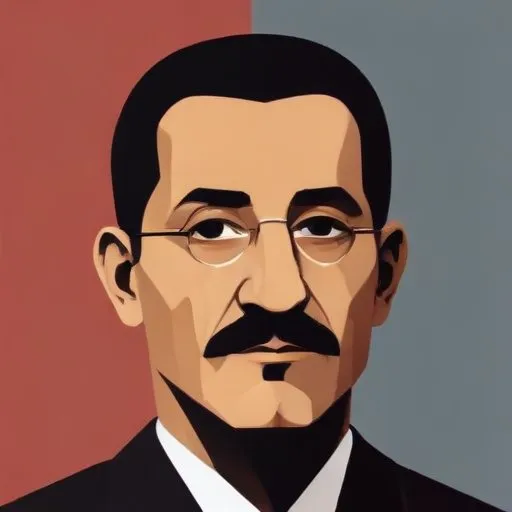
Josip Slavenski: The Yugoslav Maestro of 20th-Century Music
A Pioneer of South Eastern European Composition
Josip Slavenski, a Croatian composer and professor, is renowned for his profound impact on the world of music in the first half of the 20th century. His remarkable talent and innovative compositions have earned him a place among the most prominent figures in South Eastern European music, as described by British musicologist Jim Samson.
Early Life and Education
Born on May 11, 1896, in Čakovec, Slavenski received his first music lessons from his father. In 1913, he enrolled in the Budapest Conservatory, where he studied under the guidance of esteemed professors such as
Zoltán Kodály, Albert Siklós, and
Béla Bartók. His studies were interrupted by army service in 1916, and after the war, he briefly returned to his father's bakery business in Čakovec.
Rise to Prominence
In 1921, Slavenski continued his studies in Novák's masterclasses at the Prague Conservatory, where he joined the International Society for Contemporary Music. Upon completing his studies in 1923, he returned to Croatia and taught at the music school of the Zagreb Music Academy. This period marked a significant turning point in his life, as he began signing his name as Slavenski, reflecting his enthusiasm for the Yugoslav idea and rejecting his German-sounding surname.
Teaching and Compositional Career
In 1924, Slavenski moved to Belgrade, where he spent the rest of his life, except for a brief period in 1925-1926 spent in Paris. He taught at the Stankovi School of Music and later at the Belgrade Academy, becoming a professor of composition in 1945. His compositions began to gain recognition, with his orchestral Notturno op. 1 being performed in Zagreb in 1920 and his First String Quartet receiving acclaim at the Donaueschingen Festival in 1924.
International Acclaim
Slavenski's Symphony Balkanophonia, conducted by Eugen Kleiber, premiered in Berlin in 1927 and later in various European and American musical centers. This achievement solidified his reputation as the first Yugoslav composer of the 20th century to gain international recognition.
Major Works and Legacy
Some of Slavenski's notable compositions include:
- Symphony Balkanophonia
- Notturno op. 1
- First String Quartet
- Burlesque Overture
Slavenski's contributions to the world of music have left a lasting impact on South Eastern European music. His tireless efforts to promote and develop the region's musical heritage have inspired generations of composers and musicians.
Influence and Recognition
Slavenski's influence extends beyond his native region, with his music being performed and admired globally. He has received numerous accolades for his contributions to music, solidifying his position as one of the most important figures in 20th-century music.
Personal Life and Milestones
Slavenski's life was marked by significant personal milestones, including his marriage and the birth of his children. Despite facing challenges and hardships, he remained dedicated to his craft, leaving behind a legacy that continues to inspire and enrich the world of music.
Remembering a Musical Giant
Josip Slavenski's remarkable life and career serve as a testament to the power of creativity, perseverance, and dedication. As we reflect on his life and achievements, we are reminded of the profound impact he has had on the world of music, and the enduring legacy he leaves behind.
FAQ
What is Josip Štolcer-Slavenskis significance in Croatian music?
Josip Štolcer-Slavenski was a prominent Croatian composer and academic who made significant contributions to the development of Croatian classical music.
What is Josip Štolcer-Slavenskis most famous composition?
Slavenskis most famous work is the Croatian Rhapsody, which premiered in 1922 and is considered a masterpiece of Croatian classical music.
How did Josip Štolcer-Slavenskis music reflect his national identity?
Slavenskis music often incorporated elements of Croatian folk music and traditional melodies, reflecting his deep connection to his national heritage.
What were Josip Štolcer-Slavenskis contributions to Croatian music education?
Slavenski was a dedicated music educator who taught at the Zagreb Academy of Music and helped shape the next generation of Croatian composers and musicians.
What is Josip Štolcer-Slavenskis legacy in Croatian music?
Slavenskis compositions and educational efforts have left a lasting impact on Croatian music, solidifying his place as one of the most important figures in Croatian classical music.