


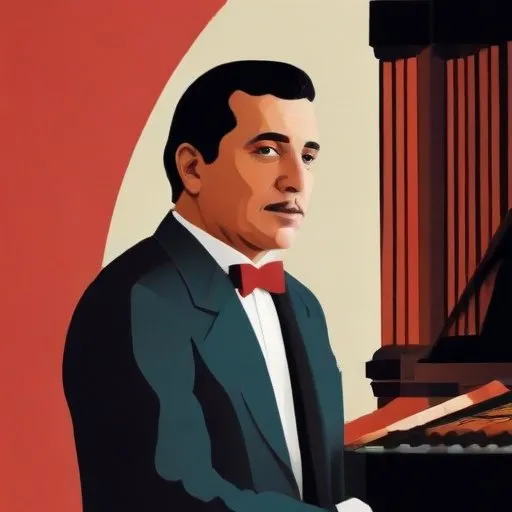
A renowned Venezuelan organist and composer, he is celebrated for his contributions to the country's musical heritage, particularly in the realm of sacred music.
Juan Manuel Olivares, a renowned Venezuelan composer, is celebrated for his significant contributions to the country's classical music scene during the Colonial era. Born on April 4, 1760, in Caracas, Olivares is recognized as one of the most important figures in Venezuelan musical history, leaving behind a legacy of iconic compositions that continue to inspire generations of musicians.
Olivares began his musical journey under the guidance of Don Ambrosio Carreño, a prominent musician of the time. This early training laid the foundation for his future success, and in 1784, Olivares started teaching in Caracas, showcasing his exceptional talent and dedication to music education.
In 1784, Pedro Ramón Palacios y Sojo, a prominent figure in Venezuelan music, entrusted Olivares with the direction of the Academia del Oratorio de San Felipe de Neri, a position he held until his passing. Additionally, Olivares became the organist at the Basilica de Santa Teresa, further solidifying his reputation as a master musician.
On May 11, 1789, Olivares married Sebastiana Velásquez in Caracas, surrounded by friends and family. Padre Sojo, a respected priest, officiated the ceremony. Olivares was also the caretaker and teacher of Lino Gallardo, a testament to his commitment to nurturing young talent.
Olivares' compositions are a testament to his innovative spirit and mastery of various genres. His "Do de violines" is the only complete chamber music work from colonial Venezuela, showcasing his skill in crafting intricate melodies and harmonies. Other notable works include:
Olivares' passing on March 1, 1797, in El Valle, Caracas, marked the end of an era, but his music continues to inspire and influence Venezuelan classical music to this day.
Juan Manuel Olivares' contributions to Venezuelan music have been immense, paving the way for future generations of composers and musicians. His legacy extends beyond his compositions, as he played a crucial role in shaping the country's musical identity and promoting music education.
Olivares' story is a testament to the power of dedication, hard work, and passion. His music continues to captivate audiences, and his influence on Venezuelan classical music will be felt for generations to come.
72 Years Old
The charismatic leader who transformed Venezuela through socialist reforms and anti-imperialist rhetoric, leaving a lasting impact on the country's politics and economy.
63 Years Old
The President of Venezuela, known for his controversial leadership and socialist policies, has been at the center of the country's economic and political crisis. He has been accused of authoritarianism and human rights abuses.
65 Years Old
A talented slugger who played 19 seasons in the MLB, earning five Gold Glove Awards and hitting 399 home runs, with a remarkable comeback from cancer.
