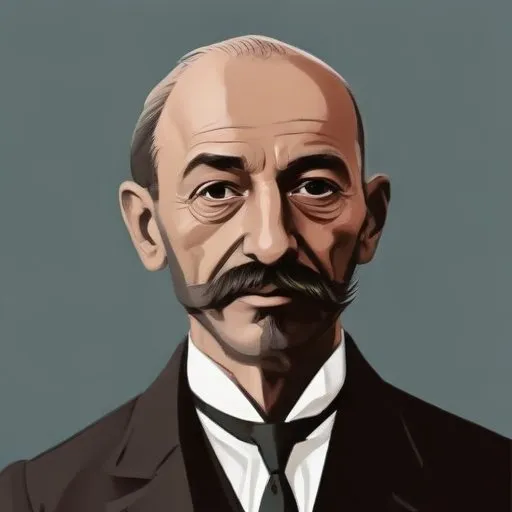
Jules Renard: The French Author Who Humanized Animals
A Master of Character Portraits and Satire
Jules Renard is renowned for his iconic works, particularly
Poil de carotte (
Carrot Top, 1894) and
Les Histoires Naturelles (
Nature Stories, 1896), which showcase his remarkable talent for crafting sharp, ironic, and sometimes cruel character portraits. His writing often blurred the lines between humans and animals, creating a unique brand of satire that continues to captivate readers to this day.
Early Life and Influences
Born on February 22, 1864, in Châlons-du-Maine, Mayenne, Renard grew up in Chitry-les-Mines, Nièvre. His childhood, marked by what he called "a great ruddy silence," was difficult and sad. Despite this, his love for literature would eventually dominate his life. Renard's decision not to attend the prestigious École Normale Supérieure didn't hinder his passion for writing. After serving in the military in Bourges from 1885 to 1886, he began frequenting literary cafés and contributing to Parisian newspapers.
Literary Career and Achievements
Renard's writing career flourished in the late 19th century. He wrote poems, short stories, short plays, and novels, including
Le Plaisir de rompre (
The Pleasure of Breaking, 1898) and the posthumously published
Huit Jours à la campagne (
A Week in the Country, 1912). His work often took inspiration from the countryside he loved in the Nièvre region. In 1904, he was elected mayor of Chitry-les-Mines as the socialist candidate, and in 1907, he became a member of the Académie Goncourt, thanks to
Octave Mirbeau.
Philosophical Contributions and Beliefs
Renard's writing often explored the human condition, revealing his fascination with the intricacies of human nature. His work was characterized by a sense of irony, which he used to critique societal norms and conventions. Through his writing, he humanized animals, and animalized humans, creating a unique brand of satire that continues to inspire and provoke readers.
Personal Milestones and Key Life Events
- April 28, 1888: Renard married Marie Morneau.
- May 15, 1904: He was elected mayor of Chitry-les-Mines as the socialist candidate.
- 1907: He became a member of the Académie Goncourt.
- May 22, 1910: Renard died of arteriosclerosis in Paris.
Influence on Modern Society
Renard's work continues to influence modern literature and art. His unique brand of satire has inspired generations of writers, including the likes of
Jean Cocteau and
André Gide. His character portraits, which often blurred the lines between humans and animals, have influenced the development of surrealism and absurdism.
Legacy
Jules Renard's contribution to French literature is undeniable. His work continues to captivate readers and inspire writers to this day. As a master of satire and character portraits, he remains an integral part of French literary history, and his influence will undoubtedly continue to shape the literary landscape for generations to come.
FAQ
What were Jules Renards contributions to French literature?
Jules Renard was a prominent French author and playwright who made significant contributions to French literature, particularly in the areas of naturalism and symbolism.
What was Jules Renards writing style?
Jules Renards writing style was characterized by its simplicity, precision, and precision, often focusing on the inner lives and struggles of his characters.
What were Jules Renards most famous works?
Jules Renards most famous works include his novels, such as Poil de Carotte and Histoires naturelles, as well as his plays, like Le Pain de Ménage and La Bigote.
What awards did Jules Renard receive?
Jules Renard received several awards for his outstanding contributions to French literature, including the Prix Goncourt.
What is Jules Renards legacy in French literature?
Jules Renards legacy in French literature is marked by his innovative writing style, his exploration of the human condition, and his influence on generations of French writers.