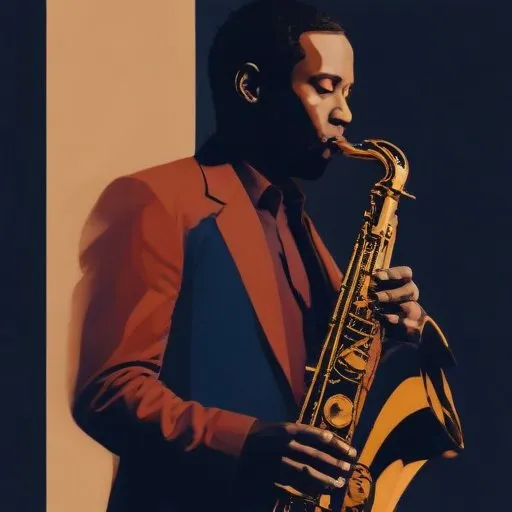
Julius Hemphill: The Saxophonist Who Redefined Jazz
A Legacy in Saxophone
Julius Hemphill was a renowned American jazz composer and saxophonist, best known for his work as the founder of the World Saxophone Quartet. With a career spanning over three decades, Hemphill left an indelible mark on the jazz scene, pushing the boundaries of the genre and inspiring a new generation of musicians.
Early Life and Influences
Born on January 24, 1938, in Fort Worth, Texas, Hemphill grew up in a musical family and was exposed to jazz from an early age. He attended I.M. Terrell High School, where he studied clarinet with
John Carter, a fellow alum of the school. Hemphill's early influences included
Gerry Mulligan, whose cool, introspective style had a lasting impact on his own approach to jazz.
The Black Artists Group and Service in the US Army
In the early 1960s, Hemphill joined the United States Army, where he served in the Army Band. During this period, he also performed with
Ike Turner for a brief stint. After his military service, Hemphill moved to St. Louis, Missouri, and co-founded the Black Artists Group (BAG), a multidisciplinary arts collective that brought together artists from various disciplines, including music, theater, and visual arts.
The World Saxophone Quartet
In 1976, Hemphill formed the World Saxophone Quartet, a group that would become synonymous with his name. The quartet, which featured Hemphill on alto saxophone, debuted at the Moers Jazz Festival in Germany and went on to release several critically acclaimed albums. The group's unique sound, which blended free jazz, funk, and R&B, earned them a loyal following and critical acclaim.
Collaborations and Later Years
Throughout his career, Hemphill collaborated with a range of musicians, including
Anthony Braxton,
Bill Frisell, and Björk. In the 1990s, he formed a saxophone quintet and continued to compose music until his death in 1995. Despite health issues, including diabetes and heart surgery, Hemphill remained prolific, leaving behind a rich legacy of music.
Awards and Honors
During his lifetime, Hemphill received several awards and honors, including a National Endowment for the Arts Fellowship and a Grammy nomination for Best Jazz Instrumental Performance.
Impact on Jazz and Legacy
Julius Hemphill's contribution to jazz is immeasurable. His innovative approach to the saxophone, his ability to blend disparate styles, and his dedication to nurturing new talent have inspired generations of musicians. As a composer, bandleader, and educator, Hemphill left an indelible mark on the jazz scene, ensuring his legacy as one of the most influential saxophonists of the 20th century.
Quotes and Memorable Sayings
- "I'm not interested in playing music that's just about music. I want to play music that's about life." - Julius Hemphill
Fun Facts andTrivia
- Hemphill's saxophone sextet, led by Marty Ehrlich, released an album of Hemphill's music, entitled The Hard Blues, in 2013.
- Hemphill taught saxophone lessons to David Sanborn and Tim Berne, among others.
Final Thoughts
Julius Hemphill's life and career serve as a testament to the power of creativity and innovation. As a saxophonist, composer, and educator, he left an indelible mark on the jazz scene, inspiring generations of musicians to push the boundaries of their art. His legacy continues to inspire and educate, ensuring that his music will be celebrated for years to come.
FAQ
What is Julius Hemphills significance in jazz history?
Julius Hemphill is significant in jazz history because he was a pioneering saxophonist and composer who helped to develop the avant-garde and free jazz movements. He was a key figure in the St. Louis jazz scene and collaborated with other notable musicians, including Oliver Lake and Lester Bowie.
What is Julius Hemphills most famous composition?
Julius Hemphills most famous composition is Dogon A.D., a saxophone quartet piece that showcases his unique and innovative approach to jazz. The piece has been widely performed and recorded by other musicians.
How did Julius Hemphills music influence other jazz musicians?
Julius Hemphills music influenced other jazz musicians by pushing the boundaries of traditional jazz forms and encouraging experimentation and creativity. His music also drew on a wide range of influences, including blues, gospel, and African music.
What awards and recognition did Julius Hemphill receive during his career?
Julius Hemphill received several awards and honors during his career, including a Guggenheim Fellowship and a National Endowment for the Arts grant. He was also recognized with a solo concert at the prestigious Carnegie Hall.
What is Julius Hemphills legacy in the jazz world?
Julius Hemphills legacy in the jazz world is as a trailblazing saxophonist and composer who expanded the possibilities of jazz and inspired generations of musicians. His music continues to be celebrated and performed by jazz musicians around the world.