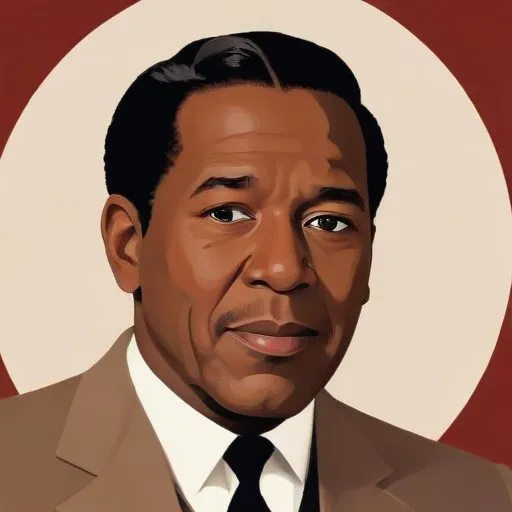
Julius Sterling Morton: The Father of Arbor Day
A Champion of Conservation and Journalism
Julius Sterling Morton is best known for founding Arbor Day, a holiday dedicated to planting and preserving trees, in 1872. As a prominent newspaper editor and politician, Morton's vision for a greener America led to the celebration of Arbor Day, which has since become an international phenomenon.
Early Life and Education
Born on April 22, 1832, in Adams, New York, Morton grew up in a family of modest means. His parents, Julius Dewey Morton and Emeline Sterling Morton, ran a general store, where Morton developed a strong work ethic and entrepreneurial spirit. In 1834, the Morton family moved to Monroe, Michigan, where his grandfather and uncle operated a newspaper, sparking Morton's interest in journalism.
Morton attended Wesleyan Seminary in Albion, Michigan, and later enrolled in the University of Michigan, where he studied literature and rhetoric. During his junior year, he attempted to launch a new periodical, the Peninsular Quarterly and University Magazine, although it proved short-lived.
Journalistic Career and Politics
After completing his studies, Morton began his journalistic career as an editor for the Michigan State Gazette. In 1858, he moved to Nebraska, where he became the editor of the Nebraska City News, a prominent Republican newspaper. Morton's writing style and progressive views earned him a reputation as a respected journalist and thinker.
In 1893, Morton's journalistic career took a significant turn when he was appointed as President
Grover Cleveland's secretary of agriculture. During his tenure, Morton advocated for conservation and agricultural development, which further solidified his reputation as a champion of environmental causes.
Founding of Arbor Day
On April 10, 1872, Morton founded Arbor Day, a holiday dedicated to planting and preserving trees. This initiative was sparked by Morton's concern about the rapid deforestation of the American countryside and his desire to promote sustainable land use practices. The first Arbor Day was celebrated in Nebraska, where Morton and his wife, Caroline, planted trees on their property. The holiday quickly gained popularity across the United States and eventually spread to other countries.
Philosophical Contributions and Beliefs
Morton was a conservative Democrat who believed in the importance of individual enterprise and limited government intervention. He advocated for responsible land use, conservation, and sustainable development, which reflected his commitment to preserving America's natural resources.
Personal Milestones and Key Life Events
- 1858: Morton moved to Nebraska and became the editor of the Nebraska City News.
- 1872: Morton founded Arbor Day, a holiday dedicated to planting and preserving trees.
- 1893: Morton was appointed as President Grover Cleveland's secretary of agriculture.
- 1897: Morton started a weekly magazine entitled The Conservative.
- 1902: Morton passed away on April 27, leaving behind a legacy of conservation and journalism.
Influence on Modern Society
Morton's legacy extends far beyond his journalistic and political achievements. His vision for a greener America has inspired generations to prioritize environmental conservation and sustainability. Today, Arbor Day is celebrated in over 100 countries, making it a testament to Morton's enduring impact on modern society.
Quotes and Memorable Sayings
- "The cultivation of flowers, trees, and shrubs is not only a profitable occupation, but it is also a noble and ennobling one."
- "The true meaning of Arbor Day is not to plant a tree, but to plant an idea."
Legacy and Historical Context
Julius Sterling Morton's contributions to journalism, politics, and environmental conservation have left an indelible mark on American history. His legacy serves as a reminder of the importance of responsible stewardship and the power of individual initiative to shape a better future.
FAQ
What were Julius Sterling Mortons contributions to Arbor Day?
Julius Sterling Morton founded Arbor Day in 1872, promoting tree planting and conservation. He encouraged individuals to plant trees on a specific day, which led to widespread adoption and environmental impact.
What was Julius Sterling Mortons role in the US government?
Julius Sterling Morton served as the 3rd United States Secretary of Agriculture from 1893 to 1897, under President Grover Cleveland. He focused on improving agricultural practices, conservation, and rural development.
How did Julius Sterling Mortons love for nature shape his career?
Julius Sterling Mortons passion for nature and conservation led him to become a journalist, writing about environmental issues. He later became a politician, using his platform to promote sustainable practices and protect natural resources.
What legacy did Julius Sterling Morton leave behind?
Julius Sterling Mortons legacy includes the creation of Arbor Day, which is still celebrated today. He also inspired a new generation of environmentalists and conservationists, leaving a lasting impact on American history.
What were Julius Sterling Mortons views on environmental conservation?
Julius Sterling Morton was a pioneer in environmental conservation, advocating for sustainable land use, reforestation, and responsible resource management. His work laid the foundation for modern environmental movements.