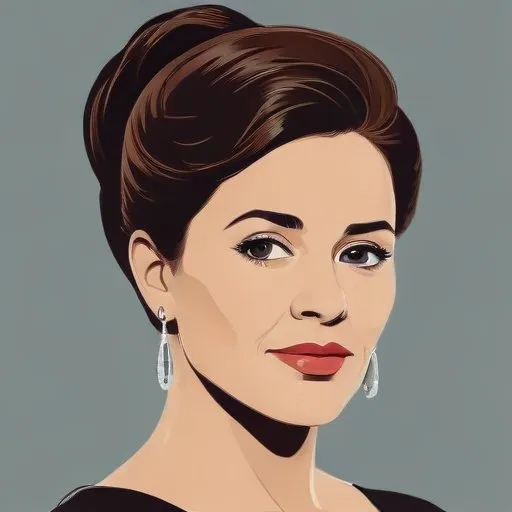
June Bronhill: The Australian Coloratura Soprano Sensation
A Career Shining Bright in the World of Opera
June Bronhill, known for her mesmerizing performances in light opera, operetta, and musical theatre, left an indelible mark on the world of opera. This Australian coloratura soprano singer, performer, and actress stole the hearts of audiences in London's West End theatres and Australia, solidifying her position as a leading lady in the opera world.
Early Life and the Birth of a Star
Born June Mary Gough on June 26, 1929, in Broken Hill, New South Wales, Bronhill's early life was filled with music and performance. Her parents, George Francis Gough and Mary Isobel Daisy Gough, nurtured her talent, and she went on to win third prize in the Sun Aria singing competition in 1949 and first prize in 1950. This early success enabled her to pursue further studies in London, where she would hone her craft and become the operatic sensation we know today.
Rise to Fame: Early Performances and Training
Bronhill's training in London led to her early exposure with the English National Opera's Sadler's Wells Opera company, where she performed in Mozart's
The Marriage of Figaro. She then went on to sing leading roles in
Die Fledermaus,
The Gypsy Baron, Menotti's
The Telephone, Flotow's
Martha, and
Hansel and Gretel. Her European vocal teacher's mishearing of her hometown, Broken Hill, as Bronhill, became the stage name that would precede her illustrious career.
Personal Life and Milestones
Bronhill's personal life was marked by two marriages: first to Brian Martin in 1951, and then to Richard Milburne Champion de Crespigny Finny in 1963, with whom she had a daughter, Carolyn Jane Finny. Both marriages ended in divorce, but her love for music and performance remained unwavering.
Legacy and Impact on Modern Society
June Bronhill's contributions to the world of opera and musical theatre are undeniable. Her performances inspired a generation of aspiring singers and performers, and her talent paved the way for future Australian sopranos. Her adopted stage name, Bronhill, remains a testament to her gratitude for her hometown's support in her early career.
Career Highlights and Major Works
- Winner of the Sun Aria singing competition (1950)
- Leading roles in Die Fledermaus, The Gypsy Baron, Menotti's The Telephone, Flotow's Martha, and Hansel and Gretel
- Performer with the English National Opera's Sadler's Wells Opera company
- Iconic performances in London's West End theatres and Australia
In Memoriam
June Bronhill passed away on January 24, 2005, leaving behind a legacy of breathtaking performances and a lasting impact on the world of opera and musical theatre. Her voice and talent continue to inspire audiences, and her memory remains a testament to the power of music and dedication.
FAQ
What were June Bronhills most notable opera performances?
June Bronhill was a renowned Australian soprano, with notable performances in opera houses around the world. She was particularly acclaimed for her roles in La Bohème, Madama Butterfly, and The Magic Flute.
What was June Bronhills approach to singing?
June Bronhills approach to singing was centered around her warm, expressive voice and her dedication to developing her craft. She was known for her technical precision and emotional intensity on stage.
How did June Bronhills background influence her career?
June Bronhills background as an Australian singer influenced her approach to her craft. She drew on her countrys rich musical heritage and was inspired by the natural beauty of her homeland.
What were June Bronhills views on the importance of music education?
June Bronhill believed strongly in the importance of music education, and was a vocal advocate for arts funding and music programs in schools.
What is June Bronhills legacy in Australian opera?
June Bronhills legacy in Australian opera is one of excellence, dedication, and passion. She inspired generations of Australian singers and leaves a lasting impact on the countrys cultural landscape.