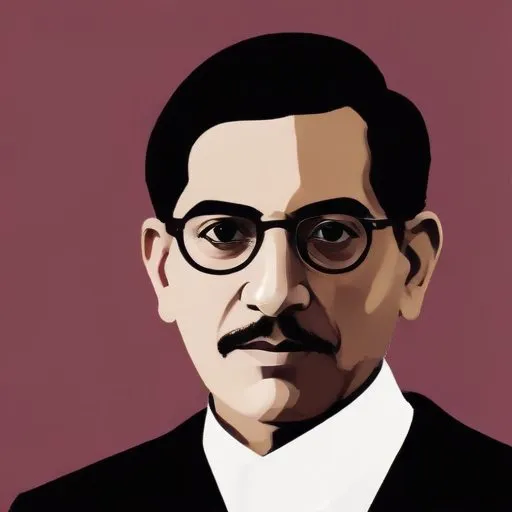
K. Shivaram Karanth: The Maverick of Kannada Literature
A Born Storyteller
K. Shivaram Karanth, a celebrated Indian novelist, playwright, and social activist, is renowned for his immense contribution to Kannada literature. With a writing career spanning over six decades, he has left an indelible mark on the literary landscape of Karnataka, earning him the title of "Pitamaha" (father figure) of modern Kannada literature.
Early Life and Inspiration
Born on April 10, 1902, in Kota, Karnataka, Karanth was raised in a family of modest means. His early life was marked by struggles and hardships, which would later influence his writing and social activism. Karanth's fascination with storytelling began at a young age, as he would often listen to folk tales and myths from his grandmother.
Literary Contributions
Karanth's literary journey began in the 1920s, with his first novel,
Marali Mannige, which critically examined the social fabric of rural Karnataka. This was followed by a slew of critically acclaimed works, including
Chomana Dudi,
Yeragu nooru, and
Mookajjiya Kanasugalu, which explored themes of social inequality, women's empowerment, and the struggle for identity.
Philosophical Contributions and Beliefs
Karanth's writing was deeply rooted in his philosophical beliefs, which were shaped by his exposure to India's freedom struggle and the ideals of
Mahatma Gandhi. He was a vocal advocate for social justice, equality, and humanitarian values, which are reflected in his works. Karanth's philosophy was centered around the concept of "Sarvodaya," or the upliftment of all, which he believed could be achieved through education, social reform, and cultural revival.
Awards and Honors
Karanth's contributions to literature and social activism earned him numerous awards and honors, including the Jnanpith Award, the highest literary honor in India, in 1977. He was also conferred with the Padma Bhushan, one of India's highest civilian honors, in 1955.
Influence on Modern Society
Karanth's works had a profound impact on modern Kannada society, inspiring a generation of writers, social activists, and thinkers. His writing played a significant role in shaping the cultural and social identity of Karnataka, and his advocacy for social justice and equality continues to inspire social movements to this day.
Personal Milestones and Key Life Events
- In 1947, Karanth founded the Kannada-language monthly magazine, Jeevana, which became a platform for writers, artists, and intellectuals to express themselves.
- In the 1950s, Karanth became involved in the Bhoodan movement, a land redistribution movement led by Vinoba Bhave, which aimed to redistribute land to the landless.
- In 1960, Karanth established the Rashtra Kaviya Shaikhaji Memorial Trust, which aimed to promote education, literature, and social welfare in rural Karnataka.
Legacy and Impact
K. Shivaram Karanth's legacy extends far beyond his literary contributions. He was a true son of the soil, whose work and philosophy continue to inspire generations of Kannadigas. As a writer, social activist, and philosopher, Karanth's influence on modern society is immeasurable, and his legacy will continue to shape the cultural and social fabric of Karnataka for generations to come.
FAQ
What is K. Shivaram Karanths most famous literary work?
K. Shivaram Karanths most famous literary work is the novel Marali Mannige, which explores themes of love, family, and social change in rural India.
What was K. Shivaram Karanths role in the Indian independence movement?
K. Shivaram Karanth was an activist and journalist who played a key role in the Indian independence movement, advocating for social and political reform.
How did K. Shivaram Karanth get his start in writing?
K. Shivaram Karanth began writing as a journalist, eventually turning to fiction and becoming one of the most important Kannada-language writers of the 20th century.
What was K. Shivaram Karanths relationship like with Mahatma Gandhi?
K. Shivaram Karanth was influenced by Mahatma Gandhis ideas and was involved in the Indian independence movement, although he also criticized Gandhis strategies.
What is K. Shivaram Karanths legacy in Indian literature?
K. Shivaram Karanth is considered one of the greatest Kannada-language writers of the 20th century, known for his innovative style and commitment to social justice.