


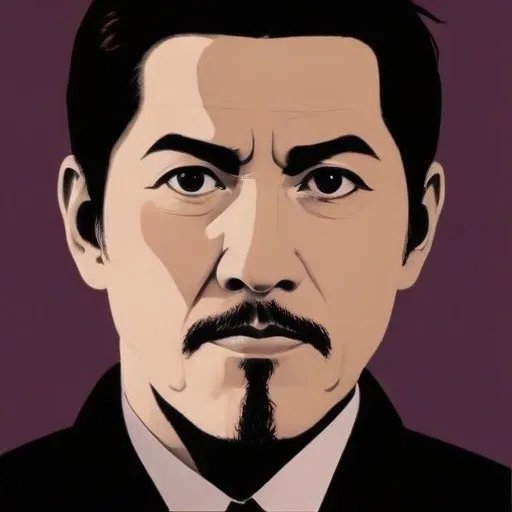
A pioneering filmmaker who explored themes of social change, humanity, and the Japanese experience through his thought-provoking and visually stunning works. He's particularly renowned for his powerful and poignant portrayals of women's lives and struggles.
Kaneto Shindo was a renowned Japanese film director, screenwriter, film producer, and writer, best known for directing 48 films and writing scripts for 238. His critically acclaimed films, such as Children of Hiroshima, The Naked Island, Onibaba, Kuroneko, and A Last Note, continue to leave a lasting impact on the world of Japanese cinema.
Shindō was born on April 22, 1912, in the Saeki District of Hiroshima Prefecture, Japan, as the youngest of four children. His family, once wealthy landowners, faced financial difficulties after his father's bankruptcy, and Shindō's mother worked as an agricultural laborer until her early death. Despite the challenges, Shindō's older brother and two sisters went on to lead successful careers, and his sister would later work with atom bomb victims.
In 1933, Shindō was inspired by Sadao Yamanaka's film Bangaku No issh, which sparked his interest in pursuing a career in filmmaking. He co-founded his own film company, Kindai Eiga Kyōkai, in 1950, alongside director Yoshimura and actor Taiji Tonoyama, pioneering independent film production in Japan.
Shindō's films often explored social realism, particularly in his early work, where he frequently depicted the struggles of women. As his career progressed, he shifted his focus to portraits of artists, showcasing his versatility as a director. Many of his films were autobiographical, drawing from his own experiences and those of his family members.
Shindō's connection to Hiroshima, where he was born, is reflected in his films about the atomic bombing of Hiroshima and the devastating effects of nuclear weapons. His personal experiences and perspectives infused his work with a unique authenticity, making his films relatable and thought-provoking.
Throughout his illustrious career, Shindō received numerous awards and honors for his contributions to Japanese cinema. He won the Blue Ribbon Award for Best Director for The Naked Island in 1966 and the Mainichi Film Concours for Best Director for Onibaba in 1964.
Kaneto Shindō continued to work as a screenwriter, director, and author until his passing at the age of 100 in 2012. His remarkable body of work has left an indelible mark on Japanese cinema, influencing generations of filmmakers and inspiring audiences worldwide.
Shindō's dedication to storytelling and his passion for exploring the human experience have cemented his place as one of Japan's most celebrated filmmakers. His legacy continues to inspire and educate, ensuring that his remarkable contributions to the world of cinema will be remembered for years to come.
As Shindō once said, "I want to make films that will be remembered for 100 years." His remarkable career and lasting impact on Japanese cinema are a testament to his achieving this goal, and his films continue to captivate audiences today.
Born in 1910
A visionary filmmaker who crafted visually stunning and emotionally resonant movies that explored humanity, often blending Japanese culture with Western influences. His works continue to inspire generations of filmmakers and artists.
Born in 1898
A pioneering filmmaker celebrated for his poignant and visually stunning portrayals of Japanese women's lives, exploring themes of social injustice and personal struggle.
99 Years Old
A pioneering filmmaker known for his gritty, socially conscious dramas that explored the lives of Japan's marginalized communities, earning him international acclaim and numerous awards.
Born in 1905
A pioneering filmmaker of Japanese cinema, known for poignant and nuanced portrayals of women's lives and struggles in post-war Japan.
Born in 1915
A renowned filmmaker behind iconic Japanese movies, including "The Burmese Harp" and "Fires on the Plain", known for his visually stunning and emotionally powerful storytelling.
