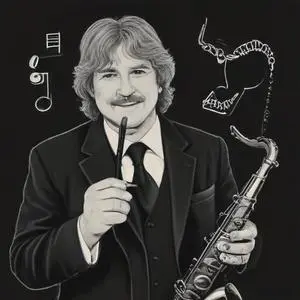
Sir Karl Jenkins: A Musical Maestro of Epic Proportions
The Visionary Composer Behind Adiemus and The Armed Man
Sir Karl William Pamp Jenkins, a Welsh multi-instrumentalist and composer, is renowned for crafting majestic and evocative music that has mesmerized audiences worldwide. His iconic works, including the song Adiemus (1995) from the Adiemus album series, Palladio (1995), The Armed Man (2000), Requiem (2005), and Stabat Mater (2008), have become an integral part of the classical music landscape.
Early Life and Education: A Musical Heritage
Born on February 17, 1944, in Penclawdd, Gower, Wales, Jenkins was raised in a family steeped in musical tradition. His mother was Swedish, and his father, a local schoolteacher, chapel organist, and choirmaster, instilled in him a deep appreciation for music. Jenkins' initial musical instruction came from his father, and he later attended Gowerton Grammar School.
Education and Early Career: A Jazz and Jazz-Rock Prodigy
Jenkins studied music at Cardiff University and then pursued postgraduate studies at the Royal Academy of Music in London. During this period, he developed his skills as a jazz and jazz-rock musician, playing the baritone and soprano saxophones, keyboards, and oboe – an unusual instrument in a jazz context. He joined jazz composer Graham Collier's group and later co-founded the jazz-rock group Nucleus, which won first prize at the Montreux Jazz Festival in 1970.
Soft Machine and the Birth of a New Sound
In 1972, Jenkins joined the Canterbury jazz fusion rock band Soft Machine, playing saxophone, oboe, flute, and keyboards. The group's eclectic sound, which blended elements of rock, jazz, and classical music, captivated audiences and critics alike. Jenkins' tenure with Soft Machine lasted until 1984, but his influence on the band's sound remains unmistakable.
A Composer for the Masses: Advertising and Industry Accolades
Jenkins' music has been featured in various advertising campaigns, earning him two industry prizes. His ability to craft memorable and emotive melodies has made him a sought-after composer for commercial projects.
Awards and Honors: A Legacy of Excellence
Throughout his distinguished career, Jenkins has received numerous accolades, including a Fellowship of the Royal Academy of Music and an Honorary Fellowship of the University of Wales. His contributions to the world of music have been recognized with a knighthood in 2015.
Influence on Modern Society: A Musical Ambassador
Jenkins' music has transcended cultural and geographical boundaries, inspiring a new generation of musicians and composers. His works have been performed by orchestras and choirs worldwide, fostering a sense of community and shared experience.
Philosophical Contributions and Beliefs: A Composer's Vision
Jenkins' music often explores themes of love, unity, and the human condition. His compositions are imbued with a deep sense of spirituality and a profound connection to the natural world. Through his music, he seeks to inspire and uplift, spreading a message of hope and harmony.
Personal Milestones and Key Life Events: A Life of Creativity and Purpose
- Joined Graham Collier's group and co-founded Nucleus (1969)
- Collaborated with Linda Hoyle on her album Pieces of Me (1971)
- Joined Soft Machine (1972)
- Released Adiemus (1995)
- Composed The Armed Man (2000)
- Composed Requiem (2005)
- Composed Stabat Mater (2008)
- Knighthood (2015)
Quotes and Memorable Sayings: A Glimpse into the Composer's Mind
- "Music is a universal language, and it has the power to bring people together like nothing else can."
- "I've always believed that music should be a reflection of life, with all its joys and sorrows."
Historical Context and Legacy: A Timeless Musical Heritage
Sir Karl Jenkins' contributions to the world of music are undeniable. His compositions continue to inspire and move audiences, solidifying his position as one of the most important and influential composers of our time. As his music continues to evolve and flourish, it is clear that his legacy will endure for generations to come.
FAQ
What is Karl Jenkins musical background and training?
Karl Jenkins studied at the Royal Academy of Music and played jazz saxophone in various ensembles. He later turned to classical composition, blending jazz and classical styles.
What are Karl Jenkins most famous compositions?
Karl Jenkins is known for his iconic works, such as The Armed Man, Requiem, and Palladio. His music often incorporates elements of jazz, rock, and world music.
What is Karl Jenkins role in the development of Adiemus?
Karl Jenkins founded the vocal ensemble Adiemus, which performs his compositions. The groups music often features a mix of classical and world music elements.
What are Karl Jenkins awards and accolades?
Karl Jenkins has won numerous awards, including a Classical Brit Award and an Echo Award. He has also been appointed an Officer of the Order of the British Empire.
What is Karl Jenkins impact on classical music?
Karl Jenkins unique blend of classical and popular styles has helped to popularize classical music and make it more accessible to a wider audience.