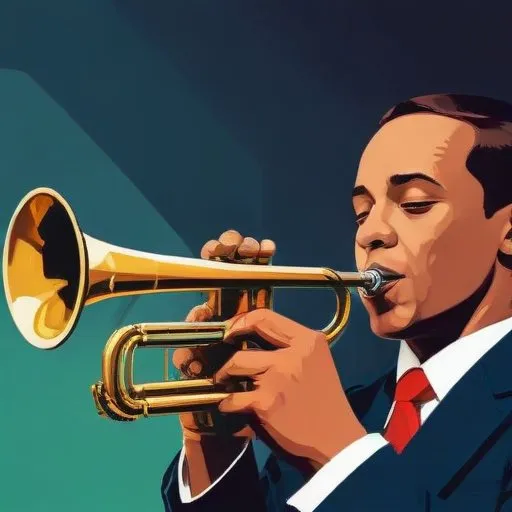
Kenny Ball: The Trumpet Maestro Behind Trad Jazz Revival
Kenny Ball, a renowned English jazz musician, is best known for his dynamic trumpet playing and charismatic leadership of Kenny Ball and his Jazzmen, a pioneering trad jazz band that spearheaded the UK jazz revival of the early 1960s. With his distinctive Dixieland style, Ball captivated audiences worldwide, earning a reputation as one of the most influential jazz musicians of his era.
Early Life and Career
Born on May 22, 1930, in Ilford, Essex, Ball's fascination with music began at an early age. He started taking trumpet lessons at 14, and by 16, he was working as a clerk in an advertising agency while also performing as a semi-professional sideman in various bands. Turning professional in 1953, Ball honed his skills with prominent bands led by Sid Phillips, Charlie Galbraith, Eric Delaney, and
Terry Lightfoot before forming his own band, Kenny Ball and his Jazzmen, in 1958.
Rise to Fame and Chart-Topping Success
The band's unique blend of traditional jazz and popular standards quickly gained popularity, and their 1961 recording of
Cole Porter's "Samantha" became a surprise hit, reaching No. 2 on the UK Singles Chart and eventually earning gold disc status. This success was followed by another chart-topper, "Midnight in Moscow," which peaked at No. 2 on the Hot 100 in March 1962. The band's subsequent releases, including "March of the Siamese Children" and "The Green Leaves of Summer," cemented their position as one of the leading trad jazz bands in the UK.
Film and Live Performances
Ball's talents extended beyond recording, as he appeared with his jazz band in the 1962 British musical movie "It's Trad, Dad," directed by
Richard Lester. The film showcased the band's lively performances and contributed to their growing fame. In January 1963, Ball participated in the largest trad jazz event ever staged in Britain, held at Alexandra Palace, alongside other notable jazz musicians such as George Melly, Diz Disley, and Acker Bilk.
Awards and Legacy
Throughout his illustrious career, Ball received numerous accolades and recognitions for his contributions to jazz. He was featured on the cover of the prestigious music magazine New Musical Express in July 1962, alongside other prominent musicians. Ball's impact on the jazz scene continued long after his band's heyday, with his music influencing generations of jazz enthusiasts and musicians.
Personal Life and Later Years
Kenny Ball passed away on March 7, 2013, leaving behind a rich legacy in the world of jazz. His dedication to preserving traditional jazz and his innovative approach to the genre continue to inspire and delight audiences today.
Key Discography:
- "Samantha" (1961)
- "Midnight in Moscow" (1961)
- "March of the Siamese Children" (1962)
- "The Green Leaves of Summer" (1962)
Trivia:
- Kenny Ball's Jazzmen were the first British jazz band to perform at the Royal Variety Performance.
- Ball's band appeared on the BBC's "Top of the Pops" in 1962, performing "Midnight in Moscow."
FAQ
What is Kenny Balls most famous song?
Kenny Balls most famous song is Midnight in Moscow, a jazz clarinet instrumental that became a hit in the 1960s.
What is Kenny Balls musical style?
Kenny Balls musical style is characterized by his use of traditional jazz, swing, and Dixieland influences.
What awards has Kenny Ball won?
Kenny Ball has won numerous awards, including the BBC Jazz Award for Best Traditional Jazz Band.
What is Kenny Balls contribution to British jazz?
Kenny Balls contribution to British jazz lies in his development of a unique, traditional jazz style that has influenced generations of British jazz musicians.
What is Kenny Balls legacy in British music?
Kenny Balls legacy in British music lies in his enduring popularity and his contribution to the development of traditional jazz in the UK.