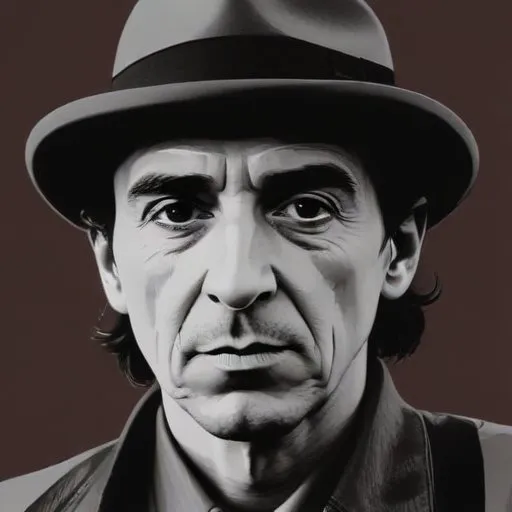
Kevin Rowland: The Soulful Voice Behind Dexys Midnight Runners
A Musical Legacy Born from Irish Roots
Kevin Rowland, the enigmatic frontman of Dexys Midnight Runners, is a British singer and musician best known for his soulful voice and genre-defying sound that captivated the music world in the early 1980s. With hits like "Geno" and "Come On Eileen," both of which reached number one on the UK Singles Chart, Rowland's unique vocal style and eclectic blend of soul, punk, and new wave elements left an indelible mark on the music industry.
A Life of Melodic Contrasts
Born on August 17, 1953, in Wednesfield, Staffordshire (now Wolverhampton), to Irish parents from Crossmolina, County Mayo, Ireland, Rowland's early life was a mix of cultural influences. Spending three years in Ireland from the age of one, he returned to Wolverhampton before moving to Harrow at 11. This cultural blend would later manifest in his music, which often drew from his Irish heritage.
The Early Years: From Punk to Soul
Before forming Dexys Midnight Runners, Rowland was part of the short-lived Lucy and the Lovers, influenced by Roxy Music. He then moved on to the punk rock act The Killjoys, releasing the single "Johnny Won't Get to Heaven" in 1977. However, Rowland soon became disillusioned with the punk scene and formed Dexys Midnight Runners with Killjoys guitarist Kevin Archer. This new venture allowed him to explore his soulful side, drawing inspiration from his Irish roots and idols like General Johnson of Chairmen of the Board.
Rise to Fame and Dexys' Golden Era
Dexys Midnight Runners' soul-influenced sound, coupled with Rowland's idiosyncratic vocal style, propelled the band to success in the early 1980s. Hits like "Geno" (1980) and "Come On Eileen" (1982) topped the UK charts, cementing the band's status as a cultural phenomenon. The era was marked by Dexys' eclectic fashion sense, with Rowland often donning outfits inspired by 1960s soul legends.
Introspection and Decline
By the late 1980s, Rowland sought to explore more introspective, mournful music. However, this new direction proved unsuccessful, and Dexys Midnight Runners were subsequently dropped by their label and disbanded. Rowland later reflected on this period, acknowledging his own arrogance and subsequent downfall. He struggled with drug addiction, financial woes, and a loss of direction.
Redemption and Revival
Rowland's journey to redemption began with rehab and a renewed focus on his music. In the 2000s, he reformed Dexys Midnight Runners, now simply known as Dexys, and released critically acclaimed albums like
Don't Stand Me Down (2003) and
One Day I'm Going to Soar (2012). This revival marked a new chapter in Rowland's career, with the band's music once again resonating with audiences.
Legacy and Impact
Kevin Rowland's influence on modern music is undeniable. Dexys Midnight Runners' innovative sound paved the way for later acts like The Style Council and The Specials. Rowland's music has also been cited as an inspiration by artists such as Plan B and
Billy Bragg. His contributions to the music industry are a testament to the power of cultural fusion and innovative spirit.
Quotes and Memorable Sayings
- "I wanted to be a soul singer, but I was a punk. I was in a punk band, but I wanted to sing like Otis Redding."
- "The soulfulness was always there, but it was hidden behind the loud guitars and the energy of the punk thing."
Awards and Honors
- Two Brit Awards for Best British Single ("Geno" and "Come On Eileen")
- Ivor Novello Award for Best Contemporary Song ("Come On Eileen")
Personal Milestones and Key Life Events
- 1977: Released "Johnny Won't Get to Heaven" with The Killjoys
- 1980: Released "Geno," Dexys Midnight Runners' first number one hit
- 1982: Released "Come On Eileen," which spent four weeks at number one on the UK Singles Chart
- 2003: Reformed Dexys Midnight Runners and released Don't Stand Me Down
Conclusion
Kevin Rowland's remarkable journey, marked by both triumph and turmoil, is a testament to the enduring power of music. As the soulful voice behind Dexys Midnight Runners, he continues to inspire generations with his eclectic sound and unwavering dedication to his craft.
FAQ
What is Kevin Rowlands musical style?
Kevin Rowland, the lead singer of Dexys Midnight Runners, is known for his eclectic and soulful musical style, which combines elements of punk, new wave, and Celtic folk. His distinctive voice and lyrical themes often focus on British culture and working-class life.
What are some of Kevin Rowlands most popular songs?
Kevin Rowland is perhaps best known for his hit singles Come On Eileen and Geno, both of which reached number one on the UK Singles Chart. Other popular songs include Jackie Wilson Said (Im in Heaven When You Smile) and Show Me.
What is the story behind Kevin Rowlands iconic donkey jacket?
The donkey jacket, worn by Kevin Rowland during the Too-Rye-Ay era, has become an enduring symbol of Dexys Midnight Runners. The jacket, which was originally worn by British dockworkers, was adopted by Rowland as a nod to his working-class roots and has since become an iconic fashion statement.
Has Kevin Rowland released solo material?
Yes, Kevin Rowland has released solo material outside of his work with Dexys Midnight Runners. His solo debut, My Beauty, was released in 1999 and features a more introspective and acoustic sound than his work with the band.
What is Kevin Rowlands current musical project?
After a series of one-off live performances and reunions, Kevin Rowland reformed Dexys Midnight Runners in 2012 and released the critically acclaimed album One Day Im Going to Soar. The band has since released another album, Dont Stand Me Down, and continues to tour and perform live.