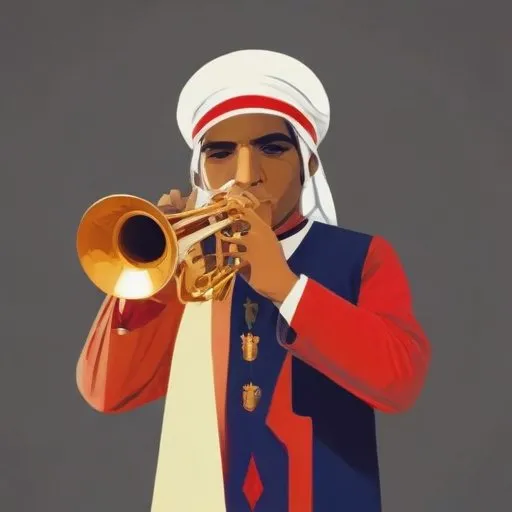
Kid Sheik: The Dixieland Jazz Trumpeter
Known for His Signature Style and Trumpet Prowess
Kid Sheik, born George Colar, was a renowned New Orleans jazz trumpeter and band leader synonymous with Dixieland jazz. With a career spanning over six decades, he was a long-time performer with the Preservation Hall Jazz Band, earning him a spot in the annals of jazz history.
Early Life and Musical Beginnings
Born on September 15, 1908, in New Orleans, Kid Sheik took to music at a young age, starting trumpet lessons at 16 under the guidance of Wooden Joe Nicholas. He idolized Chris Kelley, whose style of playing he sought to emulate. His mentor, Joe Nicholas, instilled in him a strong technical foundation, which Sheik would later blend with Kelley's unique approach.
Rise to Prominence and Career Highlights
By 1925, Sheik had formed his own band, performing in and around New Orleans, including the famed Storyville area, for nearly two decades. During the 1930s, a challenging period for jazz, Sheik's determination and adaptability kept him afloat. He even took on sewing work to make ends meet, an occupation that would later become a testament to his resourcefulness.
Wartime and the Air Force
In 1943, Sheik enlisted in the air force, attending the air force school of music and leading a small group until 1945. This stint not only broadened his musical horizons but also exposed him to new audiences.
Post-War and Brass Band Legacy
After his time in the air force, Sheik worked with
George Lewis in the late 1940s before joining the Eureka Brass Band, replacing Eddie Richardson on second trumpet, and the Olympia Brass Band, both of which he remained a part of until the 1990s. His tenure with these bands cemented his status as a Dixieland jazz stalwart.
Philosophical Contributions and Beliefs
Kid Sheik's music was deeply rooted in the traditions of New Orleans jazz, reflecting his strong connection to the city's cultural heritage. He believed in preserving the authenticity of jazz, resisting commercialization, and staying true to its roots.
Personal Milestones and Key Life Events
- 1943: Enlisted in the air force
- 1945: Completed air force service
- 1952: Joined the Eureka Brass Band and Olympia Brass Band
- 1996: Passed away in Detroit on November 7
Impact on Modern Society and Legacy
Kid Sheik's contributions to Dixieland jazz have left an indelible mark on the genre. His dedication to preserving traditional jazz, despite the challenges he faced, has inspired generations of musicians and enthusiasts alike. His legacy continues to reverberate through the streets of New Orleans, ensuring the city's rich jazz heritage endures.
Trivia and Fun Facts
- Kid Sheik's nickname came from his stylish attire, often featuring sheik suits
- He idolized Chris Kelley, whose style of playing he sought to emulate
Influence on Pop Culture
Kid Sheik's music has influenced a wide range of artists, from traditional jazz musicians to contemporary bands. His unique sound has permeated various genres, ensuring his legacy extends beyond the realm of Dixieland jazz.
Awards and Honors
During his lifetime, Kid Sheik received numerous accolades for his contributions to jazz, including recognition from the Preservation Hall Jazz Band and the Eureka Brass Band.
Charitable Work and Social Contributions
Throughout his career, Kid Sheik was involved in various charitable initiatives, using his music to support local New Orleans causes and promote cultural preservation.
Historical Context and Legacy
Kid Sheik's life and music serve as a testament to the rich cultural heritage of New Orleans. His tireless efforts to preserve traditional jazz have ensured the genre's continued relevance, solidifying his place in the pantheon of jazz greats.