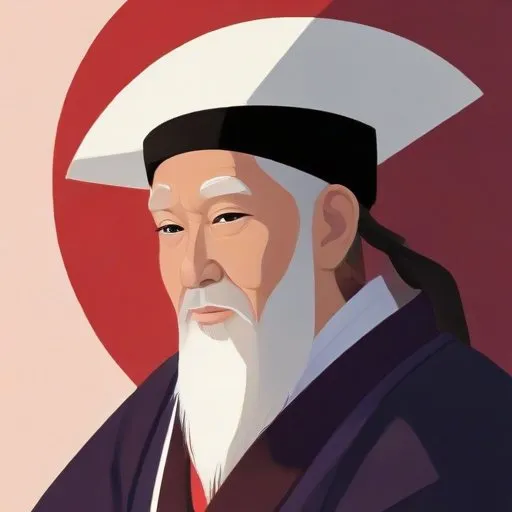
Kotama Okada: The Enigmatic Founder of Mahikari
A New Religious Movement in Japan
Kotama Okada, also known as Yoshikazu Okada, is renowned for founding Mahikari, a new religious movement in Japan that has garnered a significant following worldwide. As the founder of Sekai Mahikari Bunmei Kyodan, Okada's teachings and philosophies have had a profound impact on the spiritual landscape of Japan and beyond.
Early Life and Military Career
Born on February 27, 1901, in the Aoyama area of Tokyo's Minato Ward, Okada came from a wealthy family. His father, Inasaburo, was a major general in the Imperial Japanese Army. Okada's privileged upbringing and education enabled him to rub shoulders with prominent figures, including Prince Chichibu Yasuhito. He graduated from the Japanese Army Officer Training School in 1922 and was commissioned a lieutenant in the Japanese Imperial Guard. Okada's military career spanned two decades, during which he served in China and Indochina, before retiring in 1941 due to a back injury with the rank of lieutenant colonel.
The Birth of Mahikari
Following his retirement from the military, Okada's spiritual journey began to take shape. In 1959, he established L. H. Yokoshi no Tomo, which would later evolve into Sekai Mahikari Bunmei Kyodan in 1963. This new religious organization aimed to promote spiritual growth, self-purification, and world harmony. Okada's spiritual awakening led him to assume the name Kotama, which signifies the "Sphere of Light" in accordance with a divine revelation.
Philosophical Contributions and Beliefs
At the heart of Okada's teachings lies the concept of spiritual purification and the attainment of true happiness. He believed that humanity's suffering stems from spiritual impurities, which can be cleansed through the practice of Mahikari. Okada's philosophy emphasizes the importance of gratitude, humility, and self-reflection as essential steps towards spiritual growth. His teachings have been likened to a blend of Shintoism, Buddhism, and Christianity, making Mahikari a unique and intriguing spiritual movement.
Legacy and Succession
Okada's passing in 1974 sparked a series of court hearings that lasted eight years. The settlement ultimately led to the establishment of two separate organizations: Sekai Mahikari Bunmei Kyodan, led by Sakae Sekiguchi, and Sukyo Mahikari, founded by Keishu Okada. Despite the schism, Okada's legacy continues to inspire and guide millions of followers worldwide.
Key Quotes and Memorable Sayings
- "True happiness can only be attained by spiritual purification."
- "The world's suffering is a result of spiritual impurities."
- "Purify your soul, and the world will be purified."
Historical Context and Impact
Okada's rise to prominence in the spiritual realm coincided with a tumultuous period in Japanese history. The post-war era saw a resurgence of interest in spirituality and alternative religions, which Mahikari capitalized on. Today, Mahikari boasts a significant following globally, with its teachings and philosophies continuing to inspire and influence modern society.
Trivia and Fun Facts
- Okada was known for his charismatic leadership and oratory skills, which earned him the admiration of his followers.
- He was a prolific writer, penning numerous books and pamphlets on spirituality and self-purification.
- Okada's ability to blend traditional Japanese spiritual practices with modernist ideals helped Mahikari appeal to a broad audience.
Comparative Analysis with Contemporaries
Okada's spiritual movement shares similarities with other new religious movements that emerged in Japan during the post-war era, such as Soka Gakkai and Tenrikyo. While these movements differ in their specific beliefs and practices, they all share a common goal of promoting spiritual growth and self-improvement.
Impact on Pop Culture
Mahikari's influence can be seen in various aspects of Japanese pop culture, from music to literature. Okada's teachings have inspired artists, writers, and musicians to explore themes of spirituality, self-discovery, and personal growth in their work.
Charitable Work and Social Contributions
Okada's emphasis on gratitude and humility led to the establishment of various charitable initiatives within Mahikari. The organization has been involved in disaster relief efforts, environmental conservation, and community development programs, solidifying its commitment to social responsibility.
Inspirational Stories and Motivations
Okada's life serves as a testament to the power of perseverance and spiritual determination. His journey from a military career to a spiritual leader continues to inspire countless individuals to seek a deeper understanding of themselves and the world around them.