


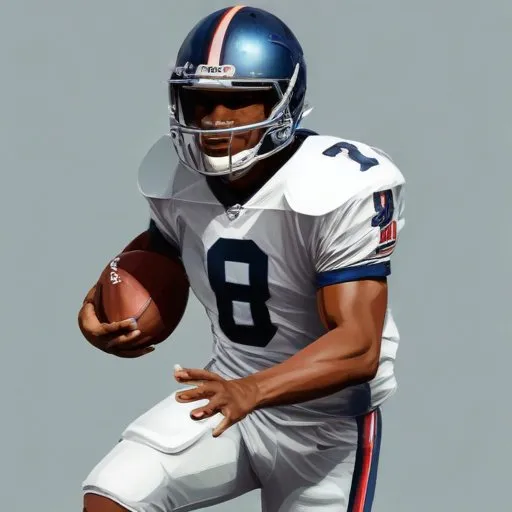
Noted defensive end who played for the Pittsburgh Steelers, earning four Super Bowl rings and being named to the Pro Bowl six times.
L. C. Greenwood, a formidable defensive end, is etched in NFL history as a pivotal member of the Pittsburgh Steelers' legendary Steel Curtain, a defense that terrorized opposing offenses during the 1970s. With his towering 6'6" frame, golden shoes, and relentless pass-rushing prowess, Greenwood was an unstoppable force, earning him a place among the greatest defensive linemen of all time.
Born and raised in Canton, Mississippi, Greenwood graduated from Arkansas AM&N (now University of Arkansas at Pine Bluff), where he became a member of the Beta Theta chapter of Phi Beta Sigma fraternity. During his college days, he was an Ebony All-American defensive lineman in the Southwestern Athletic Conference (SWAC) in 1968.
The Pittsburgh Steelers drafted Greenwood in the tenth round of the 1969 NFL-AFL draft. Under Coach Chuck Noll, Greenwood blossomed into a dominant force, becoming the starting left defensive end in 1971. For the next decade, he was an integral component of the Steel Curtain, which included fellow legends "Mean" Joe Greene, Dwight White, and Ernie Holmes.
Greenwood's impressive statistics speak for themselves:
Greenwood played a crucial role in the Steelers' Super Bowl victories IX, X, XIII, and XIV in the 1970s. In Super Bowl IX, he batted down two passes from Fran Tarkenton, while in Super Bowl X, he sacked Roger Staubach four times. Unofficially, he had five sacks in those four title games.
Greenwood's impact on the Steelers and the NFL extends beyond his impressive statistics. He was an iconic figure, known for his signature gold-colored shoes, which announcers used to distinguish him from teammate Joe Greene. His pass-rushing prowess and relentless pressure on quarterbacks set the tone for the Steel Curtain's suffocating defense.
In 2013, Greenwood's remarkable life came to an end, but his legacy lives on as an inspiration to defensive linemen and football fans alike. His contributions to the Steelers' dynasty of the 1970s cement his place as one of the greatest defensive players in NFL history.
80 Years Old
Legendary defensive tackle and four-time Super Bowl champion with the Pittsburgh Steelers, known for his dominant play and iconic Coca-Cola commercial.
78 Years Old
A legendary quarterback turned charismatic TV personality, known for his four Super Bowl wins and entertaining sports commentary. He's also appeared in various films and TV shows, showcasing his acting chops.
76 Years Old
Legendary running back who made an iconic "Immaculate Reception" play in a 1972 playoff game, leading his team to a stunning upset victory.
74 Years Old
Legendary middle linebacker and iconic defensive leader of the Pittsburgh Steelers' "Steel Curtain" defense, known for his intense and aggressive playing style.
77 Years Old
Legendary linebacker and iconic broadcaster, known for his dominant play and charismatic commentary, leaving an indelible mark on the NFL.
78 Years Old
A legendary cornerback who played for the Pittsburgh Steelers, known for his aggressive playing style and helping the team win four Super Bowl championships.
74 Years Old
A Hall of Fame wide receiver, renowned sportscaster, and politician who served as the Secretary of Education in Pennsylvania, known for his impressive athletic career and subsequent broadcasting success.
74 Years Old
Hall of Fame center who played for the Pittsburgh Steelers, known for his dominant blocking and iconic status in the Steel Curtain era.
