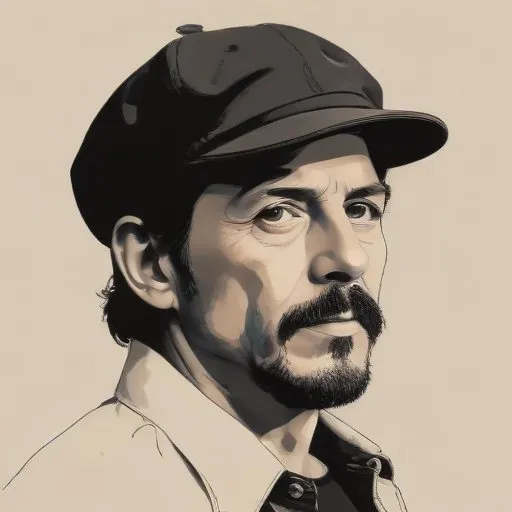
Larry Clark: The Provocative Visionary of Youth Culture
The Unflinching Lens of American Adolescence
Larry Clark is a name synonymous with controversy and unflinching portrayals of youth culture. His 1995 film
Kids sent shockwaves through the mainstream, offering a gritty and unromanticized look at the lives of disenfranchised teenagers. Clark's work has consistently pushed the boundaries of acceptable representation, exploring themes of drug use, underage sex, and violence with a raw, documentary-style realism.
A Life Behind the Lens
Born on January 19, 1943, in Tulsa, Oklahoma, Clark's fascination with photography began at an early age. His mother, an itinerant baby photographer, introduced him to the world of visual storytelling, and he soon found himself assisting her on photo shoots. This early exposure laid the groundwork for Clark's future as a photographer and filmmaker.
Tulsa: A Photographic Awakening
In 1971, Clark published his landmark book
Tulsa, a photo documentary that captured the lives of his young friends struggling with drug addiction. Shot in stark black and white, the images presented a bleak yet intimate portrayal of suburban American life on the fringes.
Tulsa marked a turning point in Clark's career, solidifying his position as a photographer unafraid to tackle the darker aspects of youth culture.
Teenage Lust and Beyond
Clark's subsequent projects further explored the complexities of adolescence. His 1983 book
Teenage Lust was a graphic and unflinching autobiography of his own teenage years, featuring family photos, scenes of drug use, and explicit sexual content. This work cemented Clark's reputation as a fearless and uncompromising artist, willing to challenge societal norms and conventions.
Award-Winning Provocateur
Clark's films have garnered numerous awards and nominations, including the
Kids soundtrack's Grammy nomination and several cinematography awards for his work on
Bully (2001). His contributions to the world of photography have been recognized with exhibitions at the Museum of Modern Art and the Whitney Museum of American Art.
Philosophical Contributions and Beliefs
Clark's work is often seen as a reflection of his own experiences with drug addiction and disillusionment. His photographs and films serve as a commentary on the darker aspects of American youth culture, urging audiences to confront the harsh realities often glossed over or sensationalized by the media.
Influence on Modern Society
Clark's influence extends beyond the art world, with his work sparking crucial conversations about adolescent mental health, substance abuse, and the failures of the American education system. His unflinching portrayals have inspired a generation of artists, photographers, and filmmakers to tackle similar themes and push the boundaries of what is considered acceptable.
Personal Milestones and Key Life Events
- 1964: Clark is drafted into the United States Army, serving in the Vietnam War.
- 1971: Publishes Tulsa, a photo documentary that solidifies his reputation as a photographer.
- 1995: Releases the film Kids, sparking controversy and critical acclaim.
Legacy and Impact
Larry Clark's legacy is one of unflinching honesty, his work continuing to inspire and provoke audiences to this day. As a pioneer of youth culture representation, Clark's influence can be seen in everything from music videos to mainstream cinema. His refusal to shy away from the harsh realities of adolescence has left an indelible mark on the world of art and beyond.
FAQ
What is Larry Clarks most famous film?
Larry Clarks most famous film is Kids, a controversial and critically acclaimed drama released in 1995. The film explores themes of teenage sexuality, drug use, and rebellion in New York City.
What is Larry Clarks directing style?
Larry Clark is known for his gritty, realistic directing style, which often focuses on the lives of young people and the challenges they face. His films often feature raw, unflinching portrayals of teenage life and the struggles of growing up.
Has Larry Clark worked with any notable actors?
Larry Clark has worked with several notable actors, including Chloë Sevigny, Rosario Dawson, and Mickey Rourke. He is known for his ability to elicit powerful performances from his cast.
What themes does Larry Clarks work often explore?
Larry Clarks work often explores themes of youth culture, rebellion, and the struggles of growing up. His films often focus on the complexities and challenges faced by teenagers, particularly those from urban environments.
What awards has Larry Clark won?
Larry Clark has won several awards for his work, including the Un Certain Regard prize at the Cannes Film Festival for Kids. He has also received critical acclaim for his subsequent films, including Bully and Wassup Rockers.