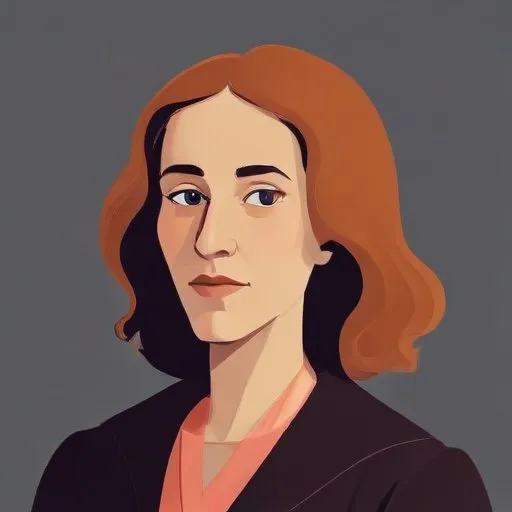
Lavinia Stoddard: The Poet of Defiance and Perseverance
A Legacy of Courage in the Face of Adversity
Lavinia Stoddard stands out as a remarkable figure in American literary history, celebrated for her poignant poem, "The Souls Defiance," which has been featured in numerous anthologies throughout the 19th century. This powerful work showcases her unwavering spirit and determination, reflecting her personal struggles with illness and loss.
Early Life and Education
Born on June 29, 1787, in Guilford, Connecticut, Lavinia Stone grew up in Paterson, New Jersey, where her family relocated when she was an infant. Under the gentle guidance of her mother, she received a solid education in the local schools, characteristic of the time.
A Partnership of Love and Learning
In 1811, Lavinia married Dr. William Stoddard, a respected Yale University and University of Pennsylvania alumnus. Together, they founded an academy in Troy, New York, where they cultivated a nurturing environment for their students. This partnership was marked by mutual respect, trust, and a shared passion for education.
A Life of Resilience and Creativity
Despite struggling with consumption, Lavinia continued to channel her inner turmoil into poetry. Her brother attested that "The Souls Defiance" was an intimate reflection of her own experiences, crafted during a period of immense physical and emotional pain. This masterpiece remains a testament to her unwavering resolve and artistic expression.
A Lasting Impact on American Literature
Lavinia Stoddard's poetry, often published anonymously, earned her a loyal following among her contemporaries. "The Souls Defiance" has been widely anthologized, ensuring her place in the annals of American literary history.
A Life Cut Short, Yet Forever Remembered
Tragically, Lavinia's health continued to deteriorate, and she passed away on November 8, 1820, at the tender age of 33. Her legacy, however, endures, inspiring generations with her courage, creativity, and unyielding spirit.
Timeline of Key Events
- June 29, 1787: Lavinia Stone born in Guilford, Connecticut
- 1811: Marries Dr. William Stoddard and establishes an academy in Troy, New York
- 1817: Joins the Rensselaer County Medical Society
- 1818: Moves to Blakeley, Alabama, due to health concerns
- 1820: Dr. William Stoddard passes away
- November 8, 1820: Lavinia Stoddard passes away at the age of 33
In Conclusion
Lavinia Stoddard's remarkable story serves as a beacon of hope and inspiration, reminding us that even in the darkest of times, the human spirit can persevere and create something of lasting value. Her poetry continues to captivate readers, ensuring her legacy as a pioneering figure in American literature.
FAQ
What was Lavinia Stoddards contribution to American poetry?
Lavinia Stoddard was a pioneering American poet who made significant contributions to the countrys literary scene. She founded the Massachusetts School for Idiots, now known as the Perkins School for the Blind, and wrote poetry that explored themes of love, nature, and social justice.
What inspired Lavinia Stoddards poetry?
Lavinia Stoddards poetry was inspired by her love of nature, her experiences as a teacher, and her passion for social justice. Her poems often featured pastoral landscapes, explored the human condition, and advocated for the rights of women and marginalized communities.
What is Lavinia Stoddards legacy in American education?
Lavinia Stoddards legacy in American education is profound. She founded the Massachusetts School for Idiots, which became a model for special education institutions across the country. Her work in education helped pave the way for future generations of educators and advocates for people with disabilities.
How did Lavinia Stoddards poetry reflect her values?
Lavinia Stoddards poetry reflected her values of compassion, empathy, and social justice. Her poems often explored themes of love, morality, and the human condition, revealing her deep commitment to creating a more equitable and just society.
What is Lavinia Stoddards most famous poem?
Lavinia Stoddards most famous poem is The Blind Girl, which tells the story of a young girls journey towards self-discovery and empowerment. The poem is a powerful exploration of themes such as identity, inclusion, and the human spirit.