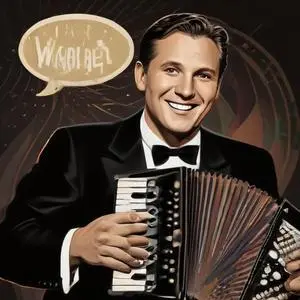
The Maestro of Champagne Music: Lawrence Welk
A Legendary Accordionist and Television Icon
Lawrence Welk was an American accordionist, bandleader, and television impresario who hosted the iconic
The Lawrence Welk Show from 1951 to 1982. His unique style, affectionately known as "champagne music," captivated radio, television, and live performance audiences for decades.
Early Life and Roots
Born on March 11, 1903, in Strasburg, North Dakota, Welk was the sixth of eight children to Ludwig and Christiana (née Schwahn) Welk, Roman Catholic ethnic Germans who emigrated from Odessa, Russian Empire (now Ukraine) in 1892. His family lived on a homestead that is now a tourist attraction, where they spent the harsh North Dakota winter of their first year inside an upturned wagon covered in sod.
The Accordionist's Journey Begins
Welk's fascination with music started early. He convinced his father to buy a mail-order accordion for $400 (equivalent to $6,084 in 2023) when he was 13 years old. He promised to work on the farm until he was 21 to repay the cost of the instrument. During that time, any money he made elsewhere, doing farm work or performing, would go to his family.
Rise to Fame
On his 21st birthday, Welk left the family farm to pursue a career in music. During the 1920s, he performed with various bands before forming his own orchestra. He led big bands in North Dakota and eastern South Dakota, including the Hotsy Totsy Boys and the Lawrence Welk Orchestra.
The Lawrence Welk Show
The Lawrence Welk Show debuted on May 11, 1951, on KFMB-TV in San Diego, California, and ran for an impressive 31 years. The show featured Welk's signature "champagne music," a blend of polkas, waltzes, and novelty tunes that appealed to a broad audience. The program became a staple of American television, attracting millions of viewers each week.
Legacy and Impact
Lawrence Welk's impact on popular culture is undeniable. He personified the American dream, rising from humble beginnings to become a beloved television icon. His show launched the careers of many performers, including Norma Zimmer, the Lennon Sisters, and Myron Floren.
Awards and Honors
Welk received several awards and honors during his career, including:
- Three Grammy nominations
- Multiple ASCAP awards
- A star on the Hollywood Walk of Fame
Personal Life and Later Years
Welk never felt comfortable speaking in public, even until his death on May 17, 1992. He remained humble and dedicated to his craft, entertaining audiences until the very end. In his later years, Welk continued to perform and record, leaving behind a legacy of "champagne music" that continues to delight audiences today.
FAQ
What was Lawrence Welks early life and career like?
Lawrence Welk was born on March 11, 1903, in Strasburg, North Dakota, to Ludwig and Christina Welk. He began playing the accordion at a young age and eventually formed his own band, which became popular in the Midwest. He later moved to Los Angeles where he began his television career.
What made Lawrence Welks TV show so popular?
Lawrence Welks TV show, also called The Lawrence Welk Show, was known for its family-friendly entertainment, featuring music, dance, and comedy. It was also famous for its champagne-style bubbly music and its catchphrase Wunnerful, Wunnerful! Welks show ran for 27 years, making it one of the longest-running TV shows in history.
Who were some of the notable performers on Lawrence Welks show?
Some of the notable performers on Lawrence Welks show included the Lennon Sisters, Joe Feeney, and Norma Zimmer. These performers, along with Welk himself, helped make the show a favorite among American audiences.
What awards did Lawrence Welk win during his career?
Lawrence Welk won several awards during his career, including multiple Grammy Awards, an Emmy Award, and a Peabody Award. He was also inducted into the Television Hall of Fame and has a star on the Hollywood Walk of Fame.
How did Lawrence Welk influence American music culture?
Lawrence Welks music and TV show helped to popularize traditional American music, such as polkas and waltzes, and introduced it to a wider audience. He also helped to launch the careers of many musicians and performers. Additionally, Welks music and show were known for their wholesome, family-friendly entertainment, which contributed to his enduring popularity.