


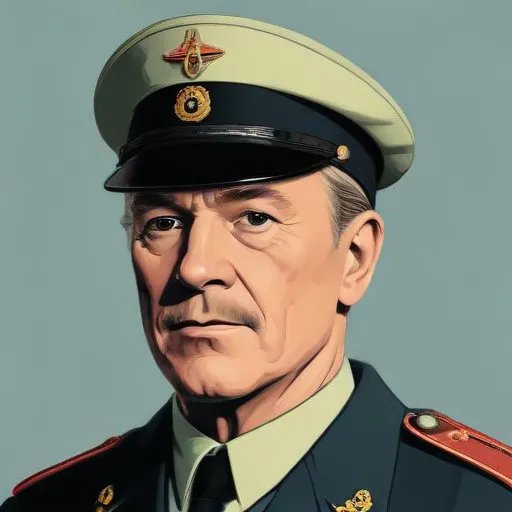
A Norwegian chemist and military leader who played a crucial role in the development of heavy water sabotage during World War II, significantly hindering Germany's nuclear program. His bravery and strategic thinking saved countless lives.
Leif Tronstad, a renowned Norwegian inorganic chemist, intelligence officer, and military organizer, is remembered for his pivotal role in disrupting Germany's heavy water production during World War II. His groundbreaking research and bold actions paved the way for the Allied forces' victory, earning him a lasting legacy as a national hero.
Tronstad was born on March 27, 1903, in Brum, Norway, to Hans Larsen and Josefine Amalie Tronstad. After his father's untimely death, Leif grew up in Sandvika with his mother and four siblings. He demonstrated exceptional math skills, earning top grades in middle school, and later pursued technical chemistry at Kristiania Technical School.
Tronstad's academic prowess led to his appointment as a professor of chemistry at the Norwegian Institute of Technology in 1936. He became a leading figure in heavy water research, and his work laid the foundation for the construction of the Vemork heavy water plant. His expertise in this field would later prove crucial in the war effort.
Following Norway's invasion by Germany, Tronstad joined the domestic resistance movement, conducting clandestine operations for a year before fleeing to England. There, he gathered and disseminated vital intelligence on the V2 rocket and Germany's increasing interest in heavy water. In 1943, Tronstad masterminded Operation Gunnerside, a daring sabotage mission that severely limited Germany's access to heavy water production.
Tronstad's bravery and strategic thinking had far-reaching consequences. His intelligence contributed to the Allied forces' massive bombing of Peenemünde, significantly delaying the German V2 rocket program. His efforts paved the way for the eventual Allied victory, shaping the course of modern history.
Tronstad's selfless contributions to the war effort earned him the Distinguished Service Order (DSO) and the Order of the British Empire (OBE). His legacy extends beyond the realm of war, inspiring future generations of scientists, military strategists, and patriots.
Despite his remarkable achievements, Tronstad's personal life remained modest. He remained committed to his family and was deeply devoted to his mother, who had raised him and his siblings amidst adversity. His story serves as a testament to the power of courage, perseverance, and dedication to one's country.
Tronstad's story unfolds against the backdrop of World War II, a global conflict that reshaped the world order. His bravery and ingenuity place him alongside other icons of resistance, such as Joachim Ronneberg and Knut Haukelid, who also fought against German occupation. Tronstad's unique blend of scientific expertise and military acumen sets him apart as a true pioneer in the realm of wartime intelligence.
