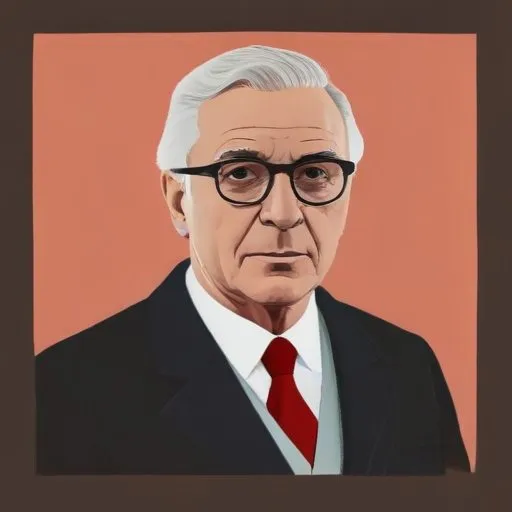
Leonard Goodwin: The Tropical Disease Crusader
A Pioneering Protozoologist
Leonard Goodwin was a British protozoologist renowned for his groundbreaking work in testing the effectiveness of chemical compounds in treating tropical diseases. His tireless efforts led to the discovery of Pentostam, a revolutionary drug that transformed the treatment of leishmaniasis, a disease that plagued troops during World War II.
Early Life and Inspiration
Born on July 11, 1915, in London, Goodwin's fascination with nature was kindled by his grandfather, a gamekeeper, and his uncle, a pharmacist. Their influence led him to pursue botany and zoology at University College London. After graduating, he studied pharmacy at the College of the Pharmaceutical Society, where he earned his degree in 1935.
Wartime Contributions
With the onset of World War II, Goodwin found himself working at the Wellcome Bureau of Scientific Research. When called up for military service with the Royal Tank Regiment, he was soon returned to Wellcome to focus on tropical diseases, a vital war effort. His research concentrated on finding a way to prevent leishmaniasis, which was affecting large numbers of troops in Sicily.
The Syrian Hamster Breakthrough
Goodwin's innovative approach involved refining the chemotherapeutic index, a method of calculating the dosage of a drug. He encountered a setback when testing drugs on European hamsters, only to discover they were already resistant to leishmaniasis. Undeterred, he obtained Syrian hamsters from a scientist in Jerusalem and successfully tested the drugs on these animals. This breakthrough led to the identification of Pentostam as the most effective and least toxic drug for treating leishmaniasis, which was subsequently issued to troops within a year.
Awards and Honors
Goodwin's contributions to the field of protozoology were recognized with the award of Companion of the Order of St. Michael and St. George (CMG) in 1955. He was also elected a Fellow of the Royal Society (FRS) in 1962.
Legacy
Leonard Goodwin's pioneering work on tropical diseases paved the way for future generations of researchers. His dedication to finding effective treatments for leishmaniasis and other diseases has saved countless lives. His legacy continues to inspire scientists and medical professionals in their quest to combat tropical diseases.
Personal Milestones
- Born on July 11, 1915, in London
- Graduated from University College London with degrees in botany and zoology
- Earned a degree in pharmacy from the College of the Pharmaceutical Society in 1935
- Awarded Companion of the Order of St. Michael and St. George (CMG) in 1955
- Elected Fellow of the Royal Society (FRS) in 1962
- Passed away on November 25, 2008
Remembering Goodwin's Wisdom
As we reflect on Goodwin's remarkable life and achievements, we are reminded of his unwavering commitment to improving human lives. His pioneering spirit and dedication to finding effective treatments for tropical diseases continue to inspire us today.
FAQ
What were Leonard Goodwins contributions to protozoology?
Leonard Goodwin was a British protozoologist who made significant contributions to the field, studying the biology and behavior of protozoa. His work improved understanding of these organisms and their role in ecosystems.
How did Leonard Goodwins research impact our understanding of protozoa?
Goodwins research shed light on the importance of protozoa in aquatic ecosystems, revealing their role in nutrient cycling and as indicators of environmental health.
What was Leonard Goodwins academic background like?
Goodwin studied zoology at the University of Cambridge and later earned his Ph.D. in protozoology from the same institution. He taught at several universities, mentoring students and advancing the field.
What were Leonard Goodwins most notable publications?
Goodwin authored numerous papers and books on protozoology, including his seminal work on the biology of protozoa. His writing helped establish him as an authority in the field.
How is Leonard Goodwin remembered in the scientific community?
Leonard Goodwin is remembered as a dedicated scientist who advanced our understanding of protozoa and their importance in ecosystems. His work continues to influence research in the field.