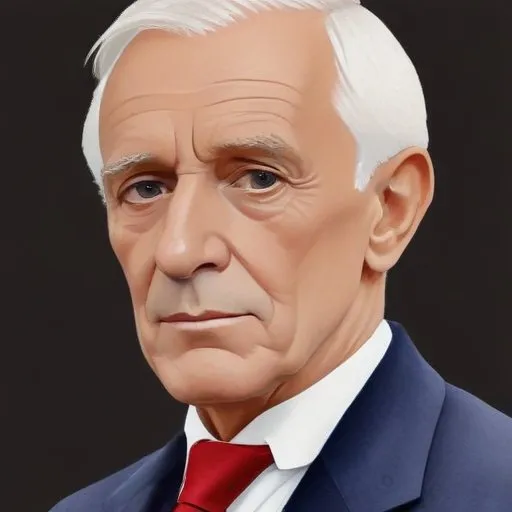
Lionel Gilbert: A Pioneering Historian and Champion of Australian Heritage
A Legacy of Discovery and Preservation
Lionel Gilbert, a renowned Australian historian, author, and curator, is celebrated for his tireless efforts in preserving and promoting the country's rich cultural and natural heritage. Through his extensive research and writings, Gilbert has shed light on the often-overlooked aspects of Australian history, earning him a reputation as a leading authority in the field.
Early Life and Academic Pursuits
Born on December 8, 1924, in Burwood, New South Wales, Gilbert's fascination with history and education was evident from an early age. He pursued his passion at Sydney Teachers College, where he graduated with a teaching degree in 1946. Gilbert's academic journey continued at the University of New England, where he earned a Bachelor of Arts in History in 1963. This milestone marked the beginning of his illustrious career as a lecturer, curator, and historian.
A Career of Distinction
Gilbert's professional life was characterized by his dedication to education and historical preservation. As a lecturer and curator at the Armidale Teachers College Museum of Education, he played a pivotal role in expanding the museum's collections and establishing a historical research centre. This period also saw the publication of numerous articles, papers, and books, many of which focused on the local history of New South Wales, particularly the New England region.
Awards and Honors
Gilbert's contributions to education and history were recognized through various prestigious awards and honors. He was appointed a Fellow by several historical organizations, and in 1995, he received the Medal of the Order of Australia. This was followed by the Centenary Medal in 2001 and an honorary Doctor of Letters from the University of New England in 2007.
Philosophical Contributions and Beliefs
Gilbert's work was underpinned by a deep respect for the past and a commitment to making history accessible to the broader public. Through his writings and teachings, he emphasized the importance of understanding and preserving Australia's cultural and natural heritage for future generations.
Major Works and Contributions
Gilbert's literary contributions are vast and varied, with a particular focus on Australian natural history and local history. Some of his notable works include biographies of Australian botanists and a comprehensive history of Sydney's Royal Botanic Gardens. These publications have not only enriched our understanding of Australia's rich history but have also inspired a new generation of historians and researchers.
Impact on Modern Society
Gilbert's legacy extends beyond the academic realm, influencing modern society in meaningful ways. His work has promoted a greater appreciation for Australia's cultural and natural heritage, encouraging individuals to engage with their local history and environment. By sharing his knowledge with the broader public, Gilbert has helped to foster a sense of national identity and community.
Personal Milestones and Key Life Events
Gilbert's life was marked by significant milestones, including his graduation from the University of New England with a Doctor of Philosophy in Botanical History in 1972. His retirement in 1984 marked the beginning of a new chapter in his life, during which he continued to write and research, leaving an indelible mark on Australian history.
Historical Context and Legacy
Lionel Gilbert's life and work are a testament to the power of dedication and passion. His contributions to Australian history and education have created a lasting impact, inspiring future generations to explore and appreciate the country's rich cultural and natural heritage. As a champion of Australian history, Gilbert's legacy will continue to inspire and educate, ensuring that the nation's stories and traditions are preserved for years to come.
FAQ
What field of history did Lionel Gilbert specialize in?
Lionel Gilbert was an Australian historian, author, and academic who specialized in Australian and Asian history.
What were Lionel Gilberts most notable works?
Gilbert wrote several influential books on Australian history, including Australians in the Vietnam War and Australians in Asia.
What awards did Lionel Gilbert receive?
Gilbert was awarded the Centenary Medal in 2001 for his contributions to Australian history and education.
What was Lionel Gilberts educational background?
Gilbert earned his Ph.D. in history from the University of Sydney and later taught at the University of New South Wales.
How did Lionel Gilberts work impact Australian historiography?
Gilberts work has had a profound impact on our understanding of Australian history, particularly in the areas of Asian-Australian relations and the countrys role in global affairs.