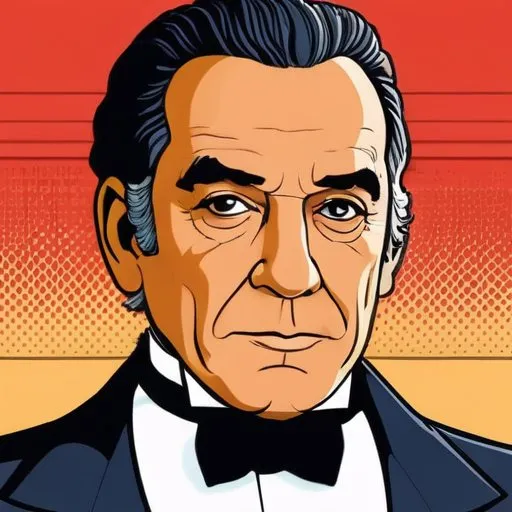
Lionel Stander: The Rebel with a Cause
A Legacy of Activism and Acting
Lionel Stander was a man of many talents, but it's his distinctive raspy voice and tough-guy demeanor that etched him into the annals of Hollywood history. As a founding member of the Screen Actors Guild, Stander's seven-decade-long career in theatre, film, radio, and television left an indelible mark on the entertainment industry.
Early Life and Career
Born on January 11, 1908, in The Bronx, New York City, to Russian Jewish parents, Stander's early life was marked by a passion for the performing arts. During his brief stint at the University of North Carolina at Chapel Hill, he appeared in student productions, honing his craft and setting the stage for a lifetime of adventure.
Stander's acting career began in 1928, with roles in plays like Him by E. E. Cummings at the Provincetown Playhouse. His early film roles in the 1930s, including the short film In the Dough (1933), showcased his versatility and range.
A Vocal Activist
Stander's left-wing political stance and vocal activism made him a target of the House Un-American Activities Committee (HUAC). One of the first Hollywood actors to be subpoenaed, he was subsequently blacklisted from the late 1940s to the mid-1960s. This period of professional exile led Stander to Europe, where he found work in genre films, including Spaghetti Westerns.
A Golden Globe and a New Chapter
Stander's return to the United States in the 1960s marked a new chapter in his career. His iconic role as Max, the lovable majordomo, in the 1980s mystery television series Hart to Hart earned him a Golden Globe Award for Best Supporting Actor – Series, Miniseries or Television Film.
Philosophical Contributions and Beliefs
Stander's commitment to social justice and activism was reflected in his work and personal life. A staunch supporter of labor rights, he played an integral role in shaping the Screen Actors Guild, advocating for fair wages and better working conditions for actors.
Personal Milestones and Key Life Events
- January 11, 1908: Born in The Bronx, New York City
- 1928: Began acting career with roles in plays like Him by E. E. Cummings
- 1930s: Appeared in early film roles, including In the Dough (1933)
- 1940s-1960s: Blacklisted by HUAC, leading to professional exile in Europe
- 1960s: Returned to the United States, landing roles in television and film
- 1980s: Won Golden Globe Award for Best Supporting Actor – Series, Miniseries or Television Film for Hart to Hart
- November 30, 1994: Passed away, leaving behind a legacy of activism and acting
Legacy and Impact
Lionel Stander's unwavering commitment to social justice, his unapologetic activism, and his remarkable acting career continue to inspire generations of artists and activists. As a true original, Stander's mark on Hollywood and the world at large remains indelible, a testament to the power of creativity and conviction.
FAQ
What was Lionel Standers early career like?
Lionel Stander began his acting career in the 1920s, performing on stage and in film. He was blacklisted during the Red Scare of the 1940s, which limited his opportunities in Hollywood.
How did Lionel Standers blacklisting affect his career?
Lionel Standers blacklisting significantly affected his career, forcing him to work abroad and limiting his opportunities in Hollywood. Despite this, he continued to act and eventually gained recognition for his work in European films.
What were Lionel Standers most notable film roles?
Lionel Standers most notable film roles include his performances in Unfaithfully Yours and The Sin of Harold Diddlebock, as well as his appearances in numerous European films during the 1950s and 1960s.
What was Lionel Standers legacy in the film industry?
Lionel Standers legacy in the film industry is significant, as he was a vocal opponent of the Red Scare and the Hollywood blacklist. His perseverance and dedication to his craft helped to pave the way for other blacklisted actors.
How did Lionel Standers activism impact his career?
Lionel Standers activism, particularly his involvement with the Committee for the First Amendment, had a significant impact on his career. While it limited his opportunities in Hollywood, it also helped to establish him as a champion of free speech and a vocal opponent of censorship.