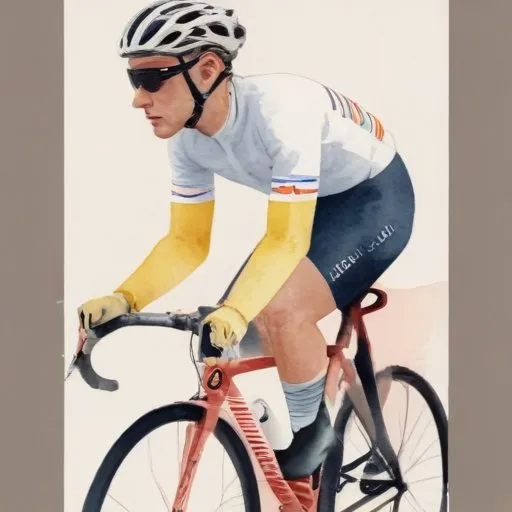
Lon Scieur: The Belgian Cycling Legend
A Champion of the Road
Lon Scieur, pronounced "le shoor," was a Belgian cyclist who etched his name in the annals of history by winning the 1921 Tour de France, in addition to capturing stages 3 and 10. This monumental achievement cemented his reputation as one of the most skilled and resilient cyclists of his generation.
Early Life and Introduction to Cycling
Born on March 19, 1888, in Florennes, a small village near Charleroi, Belgium, Scieur was the son of a farmer. His early life was marked by hard work, as he began his career as a glassmaker. However, it was his neighbor,
Firmin Lambot, who introduced him to the world of cycling at the age of 22. Lambot, a seasoned cyclist himself, taught Scieur the intricacies of riding a bike, setting him on a path that would eventually lead to greatness.
Rise to Prominence
Scieur turned professional in 1913 and participated in his first Tour de France the same year, although he failed to complete the race. He continued to hone his skills, and in 1914, he finished 14th. The outbreak of World War I forced Scieur to put his cycling career on hold, during which time he worked as a mechanic. However, with the revival of the Tour de France in 1919, Scieur seized the opportunity to showcase his talent, finishing fourth in the general classification.
The 1921 Tour de France Victory
Scieur's perseverance and dedication paid off in 1921, when he won the Tour de France at the age of 33. He dominated the race, taking the lead on the second day and defending his position with remarkable tenacity. This triumph marked the pinnacle of his career, establishing him as one of the premier cyclists of his era.
Philosophical Contributions and Beliefs
Scieur's success was not solely attributed to his physical prowess, but also to his mental toughness and unwavering commitment to the sport. He believed that cycling was not merely a physical exercise, but a mental and emotional challenge that required a deep understanding of oneself and one's limitations. This philosophical approach to the sport enabled him to push beyond his perceived boundaries and achieve greatness.
Personal Milestones and Key Life Events
- 1920: Won the Liège-Bastogne-Liège, a prestigious Belgian cycling race
- 1921: Won the Tour de France, along with stages 3 and 10
- Worked as a mechanic during World War I
- Retired from professional cycling in the mid-1920s
Historical Context and Legacy
Scieur's achievements must be viewed within the context of a bygone era, marked by the devastation of World War I and the subsequent revival of the Tour de France. His victory in 1921 served as a beacon of hope and resilience for a nation still reeling from the effects of war. Today, Scieur's legacy continues to inspire generations of cyclists, who recognize him as a pioneering figure in the sport.
Trivia and Fun Facts
- Scieur's first bike was made by his neighbor, Firmin Lambot
- He was known for his unique riding style, which emphasized power and endurance over speed
- Scieur's victory in the 1921 Tour de France was celebrated with great fanfare in his hometown of Florennes
Influence on Modern Society
Scieur's impact on modern society extends beyond the realm of cycling. His unwavering dedication, perseverance, and resilience in the face of adversity serve as a powerful inspiration to individuals from all walks of life. His legacy continues to motivate and empower people to push beyond their perceived limits, striving for excellence in their chosen pursuits.
FAQ
What was Léon Scieurs greatest cycling achievement?
Scieur won the 1921 Tour de France, becoming one of the first Belgian cyclists to achieve this feat.
What stage of the Tour de France did Léon Scieur win?
Scieur won the 14th stage of the 1921 Tour de France, which took him from Brest to Les Sables-dOlonne.
What was Léon Scieurs cycling style?
Scieur was known for his strong endurance and relentless pace, earning him the nickname The Iron Man among cycling enthusiasts.
What team did Léon Scieur ride for?
Scieur rode for the La Française cycling team, one of the most prominent teams of the time.
How did Léon Scieurs win impact Belgian cycling?
Scieurs victory helped establish Belgium as a powerhouse in international cycling, inspiring future generations of Belgian cyclists.