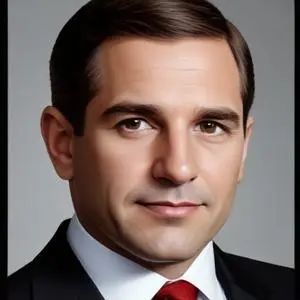
Louis Freeh: The FBI Director Who Shaped American Justice
A Legacy of Law and Order
Louis Freeh, the fifth Director of the Federal Bureau of Investigation (FBI), is renowned for his pivotal role in shaping American justice and law enforcement. Serving from September 1993 to June 2001, Freeh's tenure was marked by significant milestones, controversies, and a lasting impact on the FBI.
Early Life and Career
Born on January 6, 1950, in Jersey City, New Jersey, Freeh's Italian-American heritage and upbringing in North Bergen instilled in him a strong sense of justice and public service. He graduated from Rutgers University with a Bachelor of Arts degree in 1971 and later earned a Juris Doctor degree from Rutgers School of Law in 1974. Freeh's early career saw him work as an FBI Special Agent, Assistant United States Attorney, and United States district judge, setting the stage for his future leadership roles.
Rise to Prominence: The Pizza Connection Case
Freeh's association with the high-profile Pizza Connection investigation catapulted him into national attention. As Deputy United States Attorney and Chief of the Organized Crime Unit, he played a crucial role in prosecuting the massive drug trafficking and racketeering case. This milestone case demonstrated Freeh's expertise in combating organized crime and cemented his reputation as a skilled prosecutor.
FBI Director: A Tenure of Reform and Controversy
Appointed by President
Bill Clinton in 1993, Freeh's tenure as FBI Director was marked by significant reforms and initiatives. He oversaw the modernization of the FBI's technology infrastructure, expanded the agency's international presence, and prioritized combating terrorism and cybercrime. However, his tenure was also marred by controversies, including the Ruby Ridge and Waco siege incidents, which raised questions about the FBI's use of force and tactics.
Philosophical Contributions and Beliefs
Freeh's leadership was guided by a strong commitment to justice, equality, and public service. He advocated for a more proactive and preventive approach to law enforcement, emphasizing community engagement and partnership. His belief in the importance of international cooperation in combating transnational crime led to enhanced collaboration with foreign law enforcement agencies.
Awards and Honors
Throughout his career, Freeh has received numerous accolades, including the Distinguished Eagle Scout Award, the Presidential Rank Award of Distinguished Executive, and the FBI's highest honor, the Director's Award for Distinguished Service.
Post-FBI Career and Legacy
After retiring from the FBI in 2001, Freeh entered the private sector, working as a lawyer and consultant. His legacy continues to shape American justice, with his tenure marking a significant shift in the FBI's approach to law enforcement and national security. As a respected voice on matters of justice and law enforcement, Freeh remains an influential figure in shaping the country's future.
Personal Milestones and Key Life Events
- 1963: Became an Eagle Scout
- 1971: Graduated from Rutgers University with a Bachelor of Arts degree
- 1974: Earned a Juris Doctor degree from Rutgers School of Law
- 1975-1981: Served as an FBI Special Agent
- 1981-1993: Held positions as Assistant United States Attorney and United States district judge
- 1993-2001: Served as FBI Director
- 2001: Retired from the FBI and entered the private sector
Trivia and Fun Facts
- Freeh was a first lieutenant in the United States Army Reserve.
- He is a member of the New York University School of Law's Board of Trustees.
- Freeh has been a vocal advocate for the Boy Scouts of America, serving as a national advisory board member.
Influence on Modern Society
Freeh's legacy extends beyond the FBI, with his commitment to justice and public service inspiring future generations of law enforcement officials and civil servants. His leadership and vision continue to shape America's approach to national security, counterterrorism, and community policing. As a testament to his enduring impact, Freeh remains an important figure in shaping the country's future.
FAQ
What was Louis Freehs role as Director of the FBI?
Louis Freeh served as the 10th Director of the Federal Bureau of Investigation (FBI) from 1993 to 2001, leading the agency through significant changes and challenges.
What investigations did Louis Freeh oversee during his tenure at the FBI?
During his tenure at the FBI, Louis Freeh oversaw several high-profile investigations, including the Oklahoma City bombing, the Unabomber case, and the Monica Lewinsky scandal.
What reforms did Louis Freeh implement at the FBI?
Louis Freeh implemented several reforms at the FBI, including improving forensic science capabilities, enhancing counterterrorism efforts, and increasing diversity and inclusion within the agency.
What awards has Louis Freeh received for his service?
Louis Freeh has received numerous awards for his service, including the Presidential Medal of Freedom, the National Intelligence Distinguished Service Medal, and the FBIs Directors Award for Excellence.
What has Louis Freeh done since leaving the FBI?
Since leaving the FBI, Louis Freeh has worked as a private consultant and advisor, providing expertise in areas such as cybersecurity, national security, and crisis management.