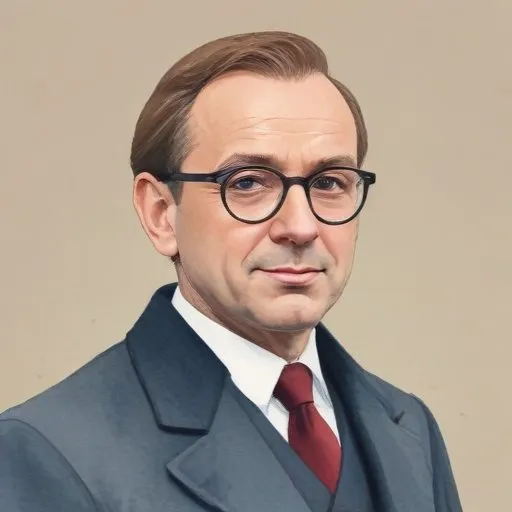
Louis Paul Boon: A Prolific Belgian Writer and Artist
A Renaissance Man of Belgian Literature
Louis Paul Boon, a renowned Belgian writer, poet, art critic, and painter, is best known for his novels that expertly weave together the complexities of human experience, fiction, and historical context. His literary masterpiece,
My Little War (1947), is a semi-autobiographical account of his experiences during World War II, which catapulted him to fame and solidified his position as a prominent figure in Belgian literature.
Early Life and Education
Born on March 15, 1912, in Aalst, Belgium, Boon was the oldest son in a working-class family. His early life was marked by the tumult of World War I, during which he witnessed a German soldier shooting a prisoner – an event that would later find its way into his autobiographical work. Boon's educational pursuits were cut short when he was expelled from school for possessing forbidden books. He then began working for his father as a car painter and pursued art studies at the Academy of Fine Arts in his spare time. However, he was forced to abandon his studies due to financial constraints.
World War II and Literary Career
Boon's experiences during World War II significantly influenced his writing. In 1940, he was mobilized and stationed as a soldier in Gooik and Tessenderlo, where he was eventually captured and sent to a prisoner-of-war camp. This stint inspired his fourth book,
My Little War, which remains one of his most celebrated works. Boon's official literary debut came in 1942 with
De voorstad groeit, which earned him the prestigious Leo J. Krynprijs award. His subsequent novels, including
Abel Gholarts (1944), further solidified his reputation as a masterful storyteller.
Literary Contributions and Style
Boon's writing style is characterized by its lyricism, complexity, and ability to balance fiction with historical accuracy. His works often blend elements of autobiography, fiction, and social commentary, offering a unique perspective on the human experience during times of war and social unrest. Some of his notable works include the diptych
Chapel Road (1953) and
Summer in Termuren (1956), as well as
Menuet (1955) and
Pieter Daens (1971).
Artistic Pursuits and Journalism
In addition to his literary endeavors, Boon was an accomplished painter and art critic. He contributed to several communist dailies, including
De Rode Vaan,
Front, and
De Vlaamse Gids, and later wrote for the newspaper
Vooruit.
Legacy and Impact
Boon's contributions to Belgian literature and art are immeasurable. His unique writing style, which seamlessly merged fiction with historical context, has inspired generations of writers and artists. Through his works, Boon has left an indelible mark on Belgian cultural heritage, ensuring his legacy as one of the most prolific and influential writers of the 20th century.
Personal Life and Milestones
Boon married Jeanneke De Wolf in 1936, and the couple had a son, Jo, three years later. Throughout his life, Boon remained committed to his artistic pursuits, continuing to write and paint until his passing on May 10, 1979, in Erembodegem.
- My Little War (1947)
- Chapel Road (1953)
- Summer in Termuren (1956)
- Menuet (1955)
- Pieter Daens (1971)
Quotations and Memorabilia
"The writer is not a storyteller, but a seeker of truth."
This quote, often attributed to Boon, encapsulates his approach to writing as a means of seeking truth and understanding the human condition.
FAQ
What was Louis Paul Boons writing style?
Louis Paul Boons writing style was characterized by his use of magical realism, social commentary, and poetic language, reflecting his fascination with the human condition and Flemish culture.
What are some of Louis Paul Boons notable works?
Some of Louis Paul Boons notable works include Chapel Road, My Little War, and The State of Siege, which explore themes of identity, morality, and social justice.
How did Louis Paul Boons experiences as a journalist influence his writing?
Louis Paul Boons experiences as a journalist influenced his writing by providing him with a keen observational eye and a deep understanding of the human condition, which he incorporated into his literary works.
What impact did Louis Paul Boon have on Flemish literature?
Louis Paul Boon had a significant impact on Flemish literature by introducing modernist techniques, exploring themes of identity and social justice, and celebrating Flemish culture.
What awards did Louis Paul Boon receive for his literature?
Louis Paul Boon received several awards for his literature, including the Ark Prize of the Free Word and the Constantijn Huygens Prize, recognition for his contributions to Flemish literature and culture.