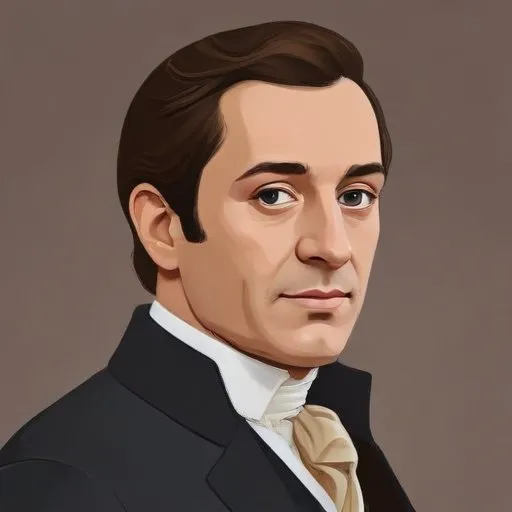
LouisPhilippe de Grandpré: A Trailblazing Lawyer and Supreme Court Justice
A Legacy of Legal Excellence
LouisPhilippe de Grandpré was a Canadian lawyer and puisne justice of the Supreme Court of Canada, renowned for his exceptional legal acumen and commitment to upholding the principles of justice. He served on the nation's highest court from 1974 to 1977, leaving an indelible mark on the country's legal landscape.
Early Life and Education
Born on February 6, 1917, in Montreal, Quebec, de Grandpré was the son of Roland de Grandpré and Aline Magnan. He was one of three brothers, all of whom went on to become accomplished lawyers. De Grandpré received a classical education at Collège Sainte-Marie de Montréal, graduating in 1935. He then pursued a degree in law at McGill University, earning a Bachelor of Civil Law in 1938.
Overcoming Adversity
At the age of 29, de Grandpré was diagnosed with syringomyelia, a condition that left him virtually paralyzed on the right side of his body. Despite this significant challenge, he persevered, adapting to his new circumstances and continuing to excel in his legal career.
Rise to Prominence
De Grandpré practiced law in Montreal from 1938 and, in 1945, co-founded the firm of Tansey, de Grandpré et de Grandpré. He went on to serve as president of the Canadian Bar Association from 1972 to 1973, where he voiced opposition to state-controlled legal aid plans.
Supreme Court Appointment and Controversy
On January 1, 1974, de Grandpré was appointed to the Supreme Court of Canada. However, his appointment was soon marred by controversy when objections were raised about his participation in the landmark case of Morgentaler v. The Queen, given his prior statements on the issue. Despite the objections, de Grandpré remained on the panel, ultimately contributing to the Court's decision.
A Life of Contrasts
De Grandpré's tenure on the Supreme Court was marked by both triumph and turmoil. While he was known for his incisive legal mind, he also expressed concerns about the Court's direction under Chief Justice Bora Laskin. By October 1, 1977, de Grandpré had resigned from the bench, citing differences with the Chief Justice's leadership style.
Post-Supreme Court Career
Following his resignation from the Supreme Court, de Grandpré returned to private practice, joining the firm of Lafleur, Brown, de Grandpré (later renamed Gowling Lafleur). He remained an influential figure in the Canadian legal community, continuing to practice law until his eventual retirement.
A Legacy of Service
Throughout his life, LouisPhilippe de Grandpré demonstrated unwavering dedication to the legal profession and the pursuit of justice. Though his tenure on the Supreme Court was marked by controversy, his contributions to Canadian law remain substantial and enduring. As a testament to his character, de Grandpré's legacy serves as a beacon of inspiration for generations of lawyers and legal scholars to come.
FAQ
What was Louis-Philippe de Grandprés contribution to Canadian law?
Louis-Philippe de Grandpré was a prominent Canadian lawyer and jurist who made significant contributions to the development of Canadian law, particularly in the areas of civil law and Quebec jurisprudence. He was a strong advocate for the preservation of French language and culture in Quebec.
What were Louis-Philippe de Grandprés notable achievements?
Louis-Philippe de Grandpré was a renowned jurist and lawyer who served as the Dean of the Faculty of Law at the University of Montreal. He was also a member of the Royal Commission on Bilingualism and Biculturalism and played a key role in shaping Canadas language policy.
What was Louis-Philippe de Grandprés early life like?
Louis-Philippe de Grandpré was born in Montreal, Quebec, Canada, and grew up in a family of modest means. He pursued higher education against all odds and went on to graduate from the University of Montreal with a law degree.
What awards did Louis-Philippe de Grandpré receive?
Louis-Philippe de Grandpré was awarded the Order of Canada in 1967 for his contributions to Canadian law and society. He also received several honorary degrees from universities across Canada.
What is Louis-Philippe de Grandprés legacy?
Louis-Philippe de Grandprés legacy is that of a champion of Canadian bilingualism and a passionate defender of Quebecs unique cultural identity. He inspired generations of lawyers, jurists, and scholars to pursue careers in law and public service.