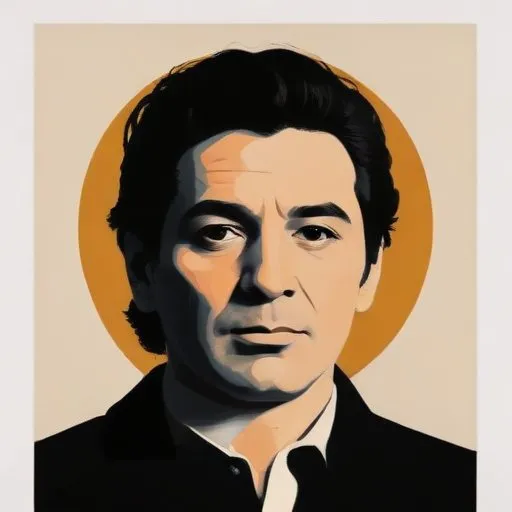
LUCIO BATTISTI: THE ENIGMATIC ITALIAN SONGWRITER
Defining the Era of Italian Songwriting
Known for his profound impact on the Italian music scene, Lucio Battisti is widely recognized for his iconic songs that defined the late 1960s and 1970s era of Italian songwriting. With a career spanning over three decades, Battisti released 18 studio albums, many of which were translated into multiple languages, cementing his status as a musical legend.
A Humble Beginning
Born on March 5, 1943, in Poggio Bustone, a small town in the province of Rieti, northern Lazio, Battisti's musical journey began at a young age. He moved to Rome with his family in 1950 and began learning guitar on his own. In the 1960s, he made his debut as a musician, performing in local bands in Rome, Naples, and later in Milan.
Influences and Collaborations
During his time in Milan, Battisti joined I Campioni (The Champions), the support band of renowned singer Tony Dallara. His travels abroad, particularly in Germany and the UK, exposed him to blues, soul, and the music of influential artists like
Bob Dylan, The Beatles, The Rolling Stones, The Animals, and
Jimi Hendrix. These influences greatly shaped his unique sound, which he later introduced to Italian pop music.
A Turning Point: Meeting Mogol
It was in Milan that Battisti met Christine Leroux, a French talent scout who worked for the Ricordi music label. Leroux introduced him to lyricist Giulio Rapetti, better known as Mogol. This collaboration marked a significant turning point in Battisti's career, as Mogol's guidance helped refine his songwriting skills.
Breakthrough and Success
In 1966, Battisti penned three significant hits for other artists: "Per una lira" for Ribelli, "Dolce di giorno" for Dik Dik, and "Uno in più" for Riki Maiocchi. These early successes eventually led to Battisti singing his own songs, thanks to Mogol's efforts.
The Enigmatic Artist
Known for his reserved nature, Battisti performed only a handful of live concerts throughout his career. In 1978, he made a public statement announcing that he would henceforth communicate solely through his music, effectively disappearing from the public scene.
Legacy and Impact
Battisti's legacy is marked by his profound influence on Italian songwriting and his unique ability to blend international influences with traditional Italian music. His music continues to inspire generations of Italian musicians and fans alike.
Discography and Translations
Throughout his career, Battisti released 18 studio albums, many of which were translated into Spanish, English, French, and German. This remarkable feat speaks to his broad appeal and enduring popularity.
Musical Style and Themes
Battisti's music is characterized by its poetic lyrics, soaring melodies, and eclectic blend of folk, rock, and pop elements. His songs often explored themes of love, social commentary, and personal introspection, resonating deeply with audiences worldwide.
Awards and Honors
Battisti received numerous accolades throughout his career, including the coveted "
Mia Martini" Critics' Award at the Sanremo Music Festival in 1982.
Perspectives on Battisti
"Lucio Battisti's music is a testament to his innovative spirit and creative genius. His songs continue to inspire and captivate audiences to this day." - Mogol
Battisti's passing on September 9, 1998, marked the end of an era, but his music remains an integral part of Italian cultural heritage. His legacy continues to inspire new generations of musicians and fans, ensuring his place in the annals of music history.