


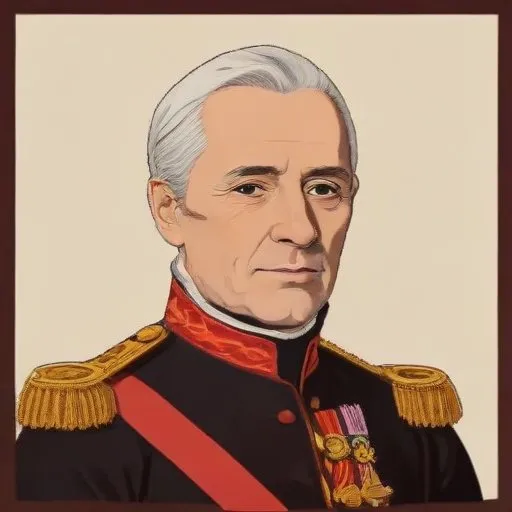
A German nobleman who ruled Hanau-Lichtenberg from 1538 to 1572, known for his efforts to reform the Lutheran Church and his role in the Protestant Reformation.
Ludwig of HanauLichtenberg, born on October 5, 1487, in Buchsweiler, was a German nobleman renowned for his clerical offices and unique approach to ensuring the territorial integrity of his county. As a younger son of Count Philipp II and his wife Anna of Isenburg-Büdingen, Ludwig's path was paved for a life in the clergy, following the medieval tradition.
In the 16th century, it was customary for younger sons of noble families to join the clergy, allowing the eldest son to inherit the entire county while providing an adequate income for their brothers. This tradition prevented the fragmentation of the county, which would lead to smaller territories and compromised sovereignty. Ludwig, along with his brother Reinhard, initially waived their rights to the county and received an annual pension and compensation in kind.
Ludwig pursued higher education in law, studying at several universities and eventually receiving his degree in Bologna. He then became a canon in Strasbourg, where he remained until 1513, when he unexpectedly resigned from his post. The exact reasons for his resignation are unknown, but it is speculated that clerical offices became less attractive as a source of income for the nobility during this period, shortly before the Reformation.
After his resignation, Ludwig's brother Philipp III provided him with the district of Buchsweiler as an appanage. However, Ludwig returned the district to his brother just a year later, arguing that it would be better for a single person to administer the entire county. Although the exact reason for this decision remains unclear, it marks a significant shift in Ludwig's approach to his role within the family's territories.
Ludwig's unique approach to ensuring the territorial integrity of his county, as well as his decision to return the appanage of Buchsweiler, has left a lasting impact on the history of HanauLichtenberg. His actions demonstrate a commitment to preserving the sovereignty of his family's territories, even if it meant relinquishing personal control over a portion of the land.
Ludwig of HanauLichtenberg's life and actions are a testament to the complexities of noble family dynamics and the importance of preserving territorial integrity during the 16th century. His story serves as a reminder of the intricate relationships between family, power, and land, and the difficult decisions that must be made to ensure the continued prosperity of a noble house.
