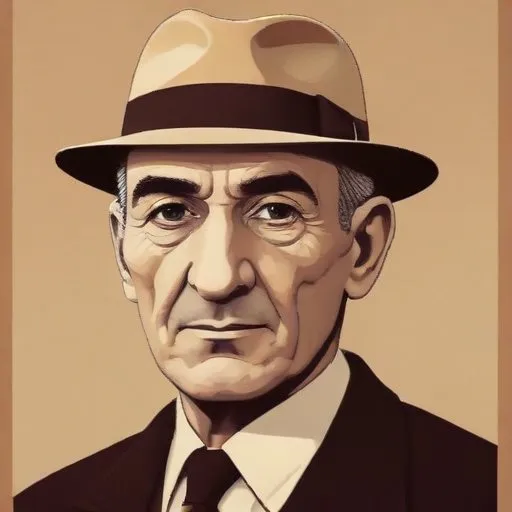
Luigi Pigorini: A Pioneering Figure in Paleoethnology and Archaeology
Early Life and Education
Luigi Pigorini, an Italian palaeoethnologist, archaeologist, and ethnographer, is renowned for his groundbreaking contributions to the fields of prehistory and ethnography. Born on January 10, 1842, in Fontanellato, near Parma, Pigorini's fascination with ancient civilizations and cultures began at a tender age.
At the age of sixteen, he became an alumnus of the Museo d'Antichità di Parma, where he was mentored by prominent scholars, including Pellegrino Strobel, a professor of Natural Sciences at the University of Parma, and Gaetano Chierici, director of the Gabinetto di Antichità Patrie di Reggio Emilia. This exposure laid the foundation for Pigorini's future research endeavors in the territory of Parmesan.
Career Highlights and Major Works
Pigorini's academic pursuits took him to Switzerland, Tuscany, Rome, and Naples, where he conducted extensive research and collaborated with esteemed scholars. In 1863, he began to teach in Parma, employing innovative methods to explain the uses and functions of prehistoric tools.
- In 1875, Pigorini founded the paleoethnological journal Bollettino di Paletnologia Italiana alongside Chierici and Strobel.
- He also worked at the Archaeological Director General's office in Rome, where he proposed the establishment of the Pigorini National Museum of Prehistory and Ethnography, which was inaugurated in 1876 and bears his name.
- Pigorini's most notable work, conducted in collaboration with Strobel, focuses on the lacustrine dwellings of Terramara, a seminal study that intersected paleontology, botany, zoology, entomology, palynology, geology, anthropology, and archaeology.
Awards and Honors
In recognition of his outstanding contributions to Italian archaeology, Pigorini was nominated as a Senatore a vita in 1912 and later became the vice president of the Italian Senate in 1919, a position he held until his passing in 1925.
Legacy and Historical Context
Pigorini's work not only shaped the field of paleoethnology but also influenced the development of modern archaeology. His commitment to interdisciplinary research and innovative teaching methods left an indelible mark on the academic community.
Pigorini's legacy extends beyond the realm of academia, as his work has inspired generations of scholars and continues to inform our understanding of human history and cultural development.
Personal Milestones and Key Life Events
- 1842: Born on January 10 in Fontanellato, near Parma
- 1858: Became an alumnus of the Museo d'Antichità di Parma
- 1863: Began teaching in Parma
- 1875: Founded the Bollettino di Paletnologia Italiana and proposed the establishment of the Pigorini National Museum of Prehistory and Ethnography
- 1912: Nominated as a Senatore a vita
- 1919: Became the vice president of the Italian Senate
- 1925: Passed away on April 1 in Padua
Conclusion
Luigi Pigorini's remarkable achievements in paleoethnology and archaeology have left a lasting impact on the academic community and beyond. His pioneering spirit, innovative approaches, and commitment to interdisciplinary research continue to inspire scholars and inform our understanding of human history and cultural development.
FAQ
What was Luigi Pigorinis contribution to paleontology?
Luigi Pigorini was an Italian paleontologist who made significant contributions to the field of fossil research, particularly in the discovery of ancient human remains in Italy.
What was Luigi Pigorinis role in the discovery of the Terramara culture?
Luigi Pigorini was a key figure in the discovery of the Terramara culture, a prehistoric civilization in northern Italy. He excavated several sites and published his findings on the culture.
How did Luigi Pigorinis work influence archaeology?
Luigi Pigorinis work in paleontology and archaeology paved the way for future generations of researchers. His discoveries and publications helped shape our understanding of human evolution and prehistoric cultures.
What was Luigi Pigorinis role in the Italian scientific community?
Luigi Pigorini was a prominent figure in the Italian scientific community, serving as the director of the National Museum of Anthropology and Ethnology in Rome.
What was Luigi Pigorinis legacy?
Luigi Pigorinis legacy is one of groundbreaking research and discovery in paleontology and archaeology. He is remembered as a pioneer in the field and an inspiration to future generations of scientists.