


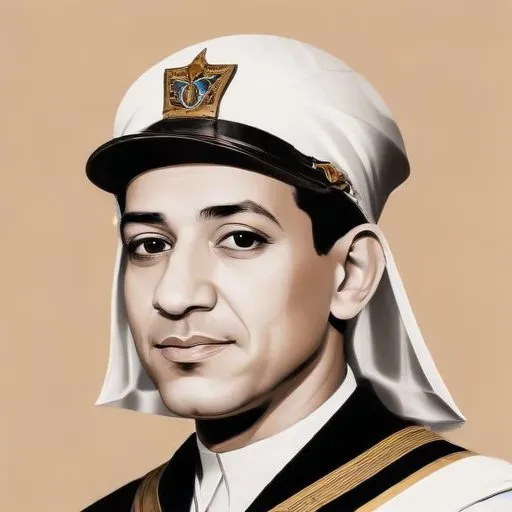
Egyptian engineer who designed and built the Aswan Dam, a massive hydroelectric project that transformed Egypt's economy and infrastructure.
Mahmoud Younis is revered as the brilliant engineer who orchestrated the historic nationalization of the Suez Canal on July 26, 1956, marking a pivotal moment in Egypt's struggle for independence and self-determination. As the Chairman of the Suez Canal Authority from 1957 to 1965, Younis played a crucial role in Egypt's assertions of sovereignty over the strategically vital waterway.
Born on April 12, 1911, Mahmoud Younis was an exemplary figure in Egyptian public life, committed to the ideals of nationalism and social justice. His storied career as an engineer and administrator was marked by a deep sense of duty to his country and its people. Younis's unwavering dedication to the national cause earned him the respect and admiration of his contemporaries, including the revered Egyptian leader, Gamal Abdel Nasser.
Younis's ascent to prominence began during Nasser's presidency, when he served as the head of the engineers' syndicate. This position afforded him a unique platform to advocate for the rights and interests of Egyptian engineers, while also allowing him to contribute to the country's development projects. His exceptional leadership skills and technical expertise eventually caught the attention of Nasser, who appointed him as the Chairman of the Suez Canal Authority in 1957.
The Suez Canal nationalization was a watershed moment in modern Egyptian history, and Younis's visionary leadership played a significant role in its success. By expropriating the canal from foreign control, Egypt asserted its sovereignty over its own territory, sending a powerful message to the international community about the country's determination to chart its own course. Younis's masterful handling of the logistics and technical aspects of the nationalization effort ensured a seamless transition, minimizing disruptions to global trade and commerce.
In recognition of his outstanding contributions to Egypt's development and independence, Mahmoud Younis received numerous accolades and honors. His legacy as a champion of national self-determination and a visionary leader continues to inspire generations of Egyptians and Arabs worldwide. The Suez Canal, now a symbol of Egyptian pride and resilience, stands as a testament to Younis's unwavering commitment to his country and its people.
Mahmoud Younis's life and achievements must be viewed within the context of Egypt's struggle for independence and self-determination in the mid-20th century. His leadership during the Suez Canal nationalization marked a defining moment in this struggle, as Egypt asserted its sovereignty over a vital national asset. Younis's legacy continues to inspire Egyptians and Arabs worldwide, serving as a powerful symbol of resistance against foreign domination and a testament to the power of national self-determination.
Through his remarkable life and achievements, Mahmoud Younis has left an indelible mark on Egyptian history, ensuring his place as one of the most revered figures in the country's modern era.
Born in 1918
Led Egypt through a period of rapid modernization and nationalism, becoming a symbol of Arab unity and resistance to Western influence. He nationalized the Suez Canal and implemented socialist reforms.
98 Years Old
The authoritarian leader who ruled Egypt for nearly three decades, suppressing opposition and maintaining a tight grip on power, while also maintaining a delicate balance of power in the Middle East. He's infamous for his regime's human rights abuses and corruption.
