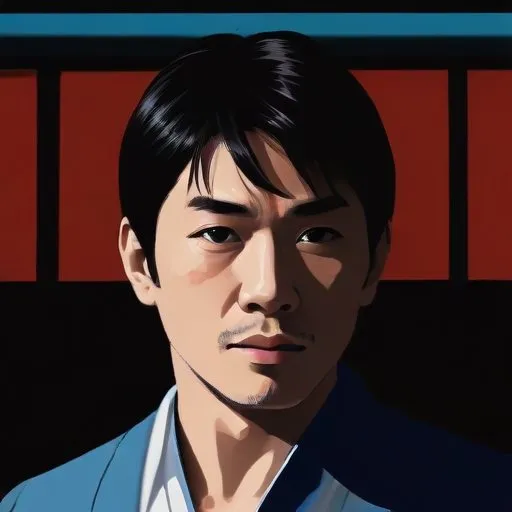
Mako Iwamatsu: The Unforgettable Voice of Asian Representation in Hollywood
The Voice That Broke Barriers
Mako Iwamatsu is renowned for his trailblazing contributions to the entertainment industry, shattering stereotypes and paving the way for Asian representation in Hollywood. As a talented actor, voice actor, and singer, Iwamatsu's versatility and range catapulted him to fame, earning him a permanent place in the hearts of audiences worldwide.
A Life Devoted to the Craft
Born on December 10, 1933, in Kobe, Japan, Iwamatsu's innate passion for performing arts led him to study drama at the Tokyo University of Foreign Studies. He later moved to the United States, where he honed his skills at the Pasadena Playhouse. Iwamatsu's dedication to his craft saw him effortlessly transition between stage, screen, and voice acting, making him a force to be reckoned with in the industry.
Breakthrough Roles and Accolades
Iwamatsu's breakthrough role came in 1966, when he played the title character in the Broadway production of _Pacific Overtures_, earning him a Tony Award nomination. This milestone marked the beginning of his illustrious career, which spanned over four decades and included notable performances in films like _The Sand Pebbles_ (1966), _M*A*S*H_ (1970), and _Pearl Harbor_ (2001).
Voice Acting Pioneer
Iwamatsu's voice acting career was just as remarkable, with iconic roles in _Avatar: The Last Airbender_ (2005-2008), _The Karate Kid Part II_ (1986), and _Memoirs of a Geisha_ (2005). His distinctive voice and impressive range enabled him to bring characters to life, leaving an indelible mark on the world of animation and film.
Philosophical Contributions and Beliefs
Throughout his career, Iwamatsu advocated for greater diversity and representation in the entertainment industry. He fervently believed that the arts had the power to break down cultural barriers, foster empathy, and promote understanding. Iwamatsu's commitment to these ideals inspired generations of Asian actors, encouraging them to pursue their dreams and challenge stereotypes.
Personal Milestones and Key Life Events
Iwamatsu's personal life was marked by significant milestones, including his marriage to actress Shizuko Hoshi in 1959, with whom he had two children. He became a naturalized U.S. citizen in 1974, a testament to his unwavering dedication to his adopted country.
Influence on Modern Society
Mako Iwamatsu's pioneering work has had a profound impact on modern society, paving the way for increased representation and diversity in the entertainment industry. His tireless efforts have inspired countless individuals to pursue careers in the arts, fostering a more inclusive and equitable cultural landscape.
Controversies and Public Perception
Despite his many accomplishments, Iwamatsu faced criticism for his portrayal of stereotypical Asian characters early in his career. However, he addressed these concerns head-on, using his platform to advocate for more nuanced and diverse representations of Asian characters.
Quotes and Memorable Sayings
"I think the most important thing is to be proud of who you are and where you come from." - Mako Iwamatsu
Legacy and Impact
Mako Iwamatsu's legacy extends far beyond his impressive body of work. He has inspired generations of actors, breaking down barriers and challenging stereotypes. His unwavering dedication to his craft has left an indelible mark on the entertainment industry, ensuring that his impact will be felt for years to come.
Honors and Awards
- Obie Award for Best Performance (1971)
- Multiple Daytime Emmy Award nominations
- Star on the Hollywood Walk of Fame (1994)
Remembering a Legend
Mako Iwamatsu's passing on July 21, 2006, marked the end of an era, but his legacy continues to inspire and motivate. As we reflect on his remarkable journey, we are reminded of the power of perseverance, dedication, and the unwavering pursuit of one's passion.