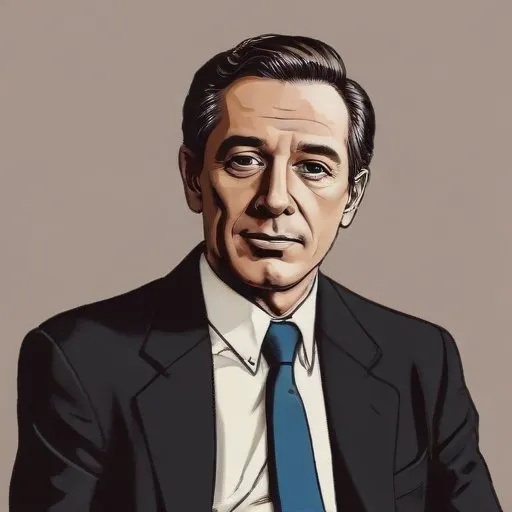
Malcolm Browne: The Pulitzer Prize-Winning Photographer Who Captured the Heart of Protest
A Iconic Image That Changed the Course of History
Malcolm Browne's name is synonymous with one of the most powerful and enduring images of the 20th century: the self-immolation of Buddhist monk Thich Quang Duc in 1963. This Pulitzer Prize-winning photograph, taken during the height of the Vietnam War, became an iconic symbol of resistance against oppression and a testament to the human spirit.
Early Life and Education
Born on April 17, 1931, in New York City, Browne grew up in a family that valued social justice and activism. His mother, a Quaker, instilled in him a strong sense of pacifism, while his father, a Roman Catholic architect, taught him the importance of compassion and empathy. Browne's early education at Friends Seminary, a Quaker school in Manhattan, laid the foundation for his future work as a journalist and photographer.
A Career Born from War
Browne's journey into journalism began unexpectedly, when he was drafted into the U.S. Army during the Korean War. Assigned to the Pacific edition of the
Stars and Stripes, Browne discovered his passion for storytelling and photography. After his service, he joined the Associated Press (AP) and began his career as a journalist, covering regional news in Baltimore and later becoming the chief correspondent for Indochina.
The Photograph That Changed Everything
On June 11, 1963, Browne arrived at a busy road intersection in Saigon, where Thich Quang Duc, a Vietnamese Mahayana Buddhist monk, was about to set himself ablaze in protest against the government's persecution of Buddhists. Browne's camera captured the monk's poignant sacrifice, and the image quickly spread across the globe, galvanizing public opinion against the war.
Awards and Accolades
Browne's photograph earned him the Pulitzer Prize for International Reporting in 1964, catapulting him to international fame. He went on to work for ABC TV, before joining
The New York Times as a correspondent for South America in 1972. Browne's work as a science writer and senior editor for
Discover magazine further solidified his reputation as a versatile and accomplished journalist.
A Life of Service and Activism
Throughout his career, Browne remained committed to telling the stories that needed to be told, often putting himself in harm's way to capture the truth. His dedication to social justice and human rights inspired generations of journalists and activists, cementing his legacy as a champion of courage and compassion.
Personal Milestones and Key Life Events
- Born on April 17, 1931, in New York City
- Attended Friends Seminary and Swarthmore College
- Drafted into the U.S. Army during the Korean War
- Joined the Associated Press (AP) in 1959
- Took the iconic photograph of Thich Quang Duc's self-immolation in 1963
- Won the Pulitzer Prize for International Reporting in 1964
- Worked for The New York Times, ABC TV, and Discover magazine
- Covered the Persian Gulf War in 1991
- Passed away on August 27, 2012
Legacy and Impact
Malcolm Browne's life and work serve as a testament to the power of journalism to shape public opinion and inspire change. His iconic photograph continues to inspire generations, a reminder of the human cost of war and the importance of standing up against oppression. Browne's legacy is a beacon of hope, illuminating the path for future generations of journalists, activists, and change-makers.
FAQ
What is Malcolm Browne famous for in journalism?
Malcolm Browne is famous for his courageous reporting during the Vietnam War, particularly his iconic photo of a Buddhist monks self-immolation in 1963.
What awards did Malcolm Browne win for his journalism?
Malcolm Browne won the Pulitzer Prize for International Reporting in 1964, and was also awarded the Overseas Press Clubs George Polk Award for his reporting on the Vietnam War.
What was Malcolm Brownes book about the Vietnam War?
Malcolm Browne wrote Masher: A Wage of War, a critically acclaimed book about his experiences reporting on the Vietnam War.
How did Malcolm Brownes reporting impact public opinion on the Vietnam War?
Malcolm Brownes reporting helped to galvanize public opinion against the Vietnam War, and his images of the conflicts brutal realities shocked the world, contributing to a shift in public sentiment.
What was Malcolm Brownes legacy in journalism?
Malcolm Brownes legacy in journalism is that of a brave and dedicated reporter, who risked his life to shed light on the truth of the Vietnam War, and inspired generations of journalists to follow in his footsteps.