


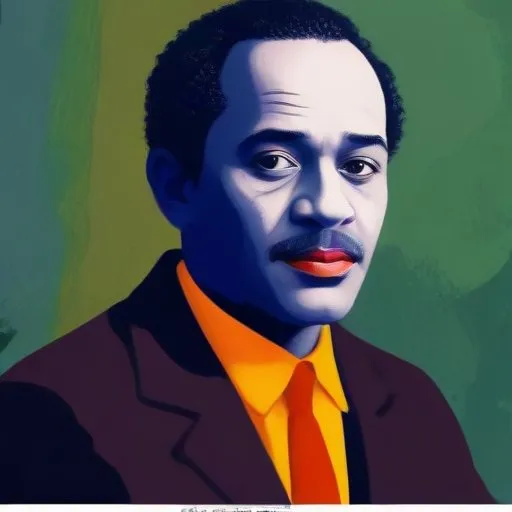
A prominent figure in Cape Verdean literature, known for his poetic and narrative works that explore themes of identity, culture, and colonialism. His writing often blended traditional oral storytelling with modernist techniques.
Manuel Lopes was a renowned Cape Verdean novelist, poet, and essayist, best known for his contributions to the rise of Cape Verdean literature. Alongside Baltasar Lopes da Silva and Jorge Barbosa, he founded the journal Claridade, which became a beacon for Cape Verdean writers.
Manuel Lopes was born on December 23, 1907, in Mindelo, So Vicente, Cape Verde, which was then a Portuguese territory. He moved to Coimbra, Portugal, to attend secondary school, returning to So Vicente at the age of 16. Lopes worked for an English company that operated a transatlantic telegraph cable, and later for an Italian company, before settling on his farm on the island of Santo Anto.
Lopes' writing career spanned over six decades, with his first work, Monography of Regional Descriptions, published in 1932. He went on to publish several notable works, including:
His first novel, Chuva Braba, published in 1956, won the prestigious Ferno Mendes Pinto Award. He went on to win another Mendes Pinto Award for O galo que cantou da baa, and his novel Os Flagelados do Vento Leste was adapted into a film in 1987.
Lopes' works played a significant role in shaping Cape Verdean literature and identity. His writing often addressed the struggles of the Cape Verdean people, particularly during the colonial era. His poem Naufrgio is a testament to his ability to capture the essence of the Cape Verdean experience.
Lopes received numerous awards for his contributions to literature, including the Prmio Meio Milnio do Achamento de Cabo Verde, acknowledging his significant impact on Cape Verdean culture.
Manuel Lopes passed away on January 25, 2005, at the age of 97, leaving behind a legacy of literary excellence and a profound impact on Cape Verdean literature. His works continue to inspire generations of writers and readers alike, cementing his place as one of the most important figures in Cape Verdean cultural history.
Born in 1902
A Portuguese journalist who covered several international conflicts, including the Portuguese Colonial War and the Carnation Revolution, providing firsthand reports from the front lines.
