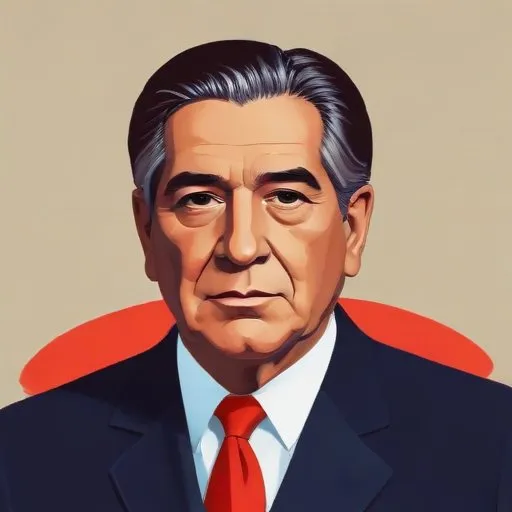
Manuel Montt: The Visionary President of Chile
A Champion of Education and Progress
Manuel Montt is best known for his remarkable tenure as the President of Chile from 1851 to 1861, during which he implemented numerous reforms and promoted education, scientific progress, and economic development in the country. Through his unwavering commitment to the nation's growth, Montt earned the reputation as one of the most influential and visionary leaders in Chilean history.
Early Life and Education
Born on September 4, 1809, in Petorca, Valparaíso Region, Chile, Manuel Francisco Antonio Julin Montt Torres was the son of Catalan immigrants. Despite facing poverty and hardship, Montt's mother secured his entrance into the Instituto Nacional, where he would later serve as rector from 1835 to 1840. Through hard work and determination, Montt graduated as a lawyer in 1833 and went on to achieve prominent academic and government posts.
Rise to Prominence
Montt's distinguished career as a scholar and public servant began during the presidency of Jos Joaquín Prieto (1831-1841). He gained recognition for his courage during the crisis that followed the assassination of Diego Portales in 1837, despite holding a subordinate post in the government. Montt's reputation continued to grow as he served as Minister of the Interior and Minister of Justice under President Manuel Bulnes from 1841 to 1851.
Presidency and Reforms
In 1851, Montt won the Chilean presidency, but his election was met with resistance from liberal factions, leading to the Revolution of 1851. However, Montt successfully subdued the uprising and went on to implement a range of reforms, including:
- Emphasizing the need for educational and scientific progress in Chile
- Expanding infrastructure development, including roads and telegraph lines
- Introducing new laws and regulations to promote economic growth and stability
Legacy and Impact
Manuel Montt's presidency was marked by his authoritarian yet visionary leadership, which had a lasting impact on Chilean society. His commitment to education and scientific progress earned him recognition from the international community, including the naming of a genus of flowering plants, Monttea, in his honor by botanist Claude Gay in 1849.
Honors and Recognition
Throughout his life, Montt received numerous honors and recognition for his contributions to Chile, including:
- Re-elected as President in 1856
- Served as rector of the Instituto Nacional from 1835 to 1840
- Appointed as Minister of Public Instruction
Personal Life and Milestones
Montt's personal life was marked by his strong family ties and dedication to his country. Some notable milestones include:
- Married to Rosario Santiago Concha in 1837
- Had seven children with his wife
- Died on September 21, 1880, at the age of 71
Manuel Montt's remarkable life and presidency serve as a testament to his unwavering commitment to the progress and development of Chile. His legacy continues to inspire generations of Chileans and remains an integral part of the nation's history.
FAQ
What was Manuel Montts role in Chilean politics?
Manuel Montt was a Chilean scholar and politician who served as the 6th President of Chile from 1851 to 1861. He played a key role in shaping Chilean politics during the mid-19th century and was known for his liberal reforms.
What were Montts contributions to Chilean education?
Manuel Montt made significant contributions to Chilean education, particularly in the areas of higher education and education reform. He believed in the importance of education in promoting social mobility and economic development.
How did Montts presidency shape Chilean politics?
Manuel Montts presidency had a significant impact on Chilean politics, as he implemented a range of liberal reforms and promoted economic development. He is remembered as one of the most important Chilean presidents of the 19th century.
What is Montts legacy in Chilean history?
Manuel Montts legacy in Chilean history is significant, as he played a key role in shaping the countrys politics, education system, and economy during the mid-19th century. He is remembered as a visionary leader and a champion of liberal reforms.
How did Montts education background influence his politics?
Manuel Montts education background heavily influenced his politics, as he believed in the importance of education in promoting social mobility and economic development. He used his knowledge of philosophy and law to inform his policy decisions and promote liberal reforms.