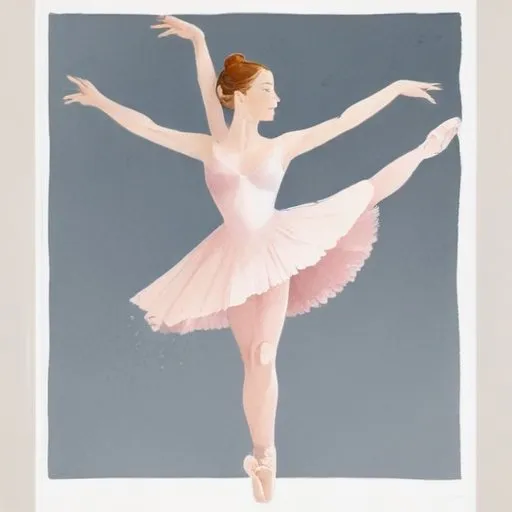
Margaret Scott: The Pioneering Ballet Dancer and Founder of Australia's Ballet Tradition
A Legacy in Dance
Margaret Scott is renowned for her trailblazing career as a ballet dancer, choreographer, and school administrator, earning her the title as one of the founders of Australia's strong ballet tradition. As the first director of the Australian Ballet School, Scott's dedication to the art form has inspired generations of dancers and continues to shape the country's ballet landscape.
Early Life and Training
Born in Johannesburg, South Africa, on April 26, 1922, Scott was the youngest of three siblings, including twins Joan and Barbara. Encouraged by her family to pursue her passion for dance, she began attending ballet classes at the Conmee School of Dancing, where she trained under the guidance of London-trained Ivy Conmee. On graduating from the Parktown Convent School, Scott moved to London with her mother in 1939, where she auditioned successfully for entrance to the prestigious Sadlers Wells Ballet School.
Dancing in England
Despite the outbreak of war with Germany in 1939, Scott decided to remain in London and continue her dance training. She joined the Sadlers Wells Ballet School, polishing her classical technique under the demanding tutelage of Dame
Ninette de Valois and a faculty of renowned teachers. After a year, she left to join Ballet Rambert, attracted by the company's more adventurous repertory. As a soloist and later principal dancer, Scott spent five years with Ballet Rambert, performing leading and supporting roles in classics like
Michel Fokine's
Les Sylphides and Antony Tudor's
Jardin aux Lilas, as well as new works by Andre Howard, Frank Staff, and Walter Gore.
A New Chapter in Australia
In 1947, Scott made the move to Australia, where she would go on to leave an indelible mark on the country's dance landscape. She was appointed as the inaugural director of the Australian Ballet School in 1964, a position she held until 1990. Under her visionary leadership, the school flourished, producing some of the country's most talented dancers.
Philosophical Contributions and Beliefs
Throughout her career, Scott has been dedicated to nurturing young talent and promoting the importance of dance education. Her philosophy has always been centered on the importance of technical excellence, artistic expression, and the development of the whole dancer, not just the technique.
Awards and Honors
In recognition of her outstanding contributions to dance, Scott has received numerous awards and honors, including appointment as a Dame Commander of the Order of the British Empire (DBE) in 1981. She has also been awarded the Australian government's Centenary Medal in 2001 and the Helpmann Award for Outstanding Contribution to Dance in 2003.
Legacy and Impact
Margaret Scott's legacy extends far beyond her own remarkable career. She has inspired generations of dancers, teachers, and administrators, shaping the course of ballet in Australia and beyond. Her commitment to dance education and her dedication to nurturing young talent have left an indelible mark on the dance world.
Personal Milestones and Key Life Events
- 1947: Moved to Australia and began teaching ballet in Melbourne
- 1964: Appointed as the inaugural director of the Australian Ballet School
- 1981: Appointed as a Dame Commander of the Order of the British Empire (DBE)
- 1990: Retired as director of the Australian Ballet School
- 2001: Awarded the Australian government's Centenary Medal
- 2003: Received the Helpmann Award for Outstanding Contribution to Dance
Predictions and Speculations
As Scott's legacy continues to inspire new generations of dancers, it is clear that her impact will be felt for years to come. Her commitment to dance education and her dedication to nurturing young talent will ensure that the art form continues to thrive in Australia and beyond.
Trivia and Fun Facts
- Scott's family encouraged her to pursue her passion for dance from a young age.
- She trained under the guidance of renowned teachers, including Dame Ninette de Valois and Ivy Conmee.
- Scott was appointed as the inaugural director of the Australian Ballet School at the age of 42.
Inspirational Stories and Motivations
Margaret Scott's remarkable career serves as a testament to the power of dedication, hard work, and passion. Her commitment to dance education and her legacy as a founder of Australia's ballet tradition continue to inspire and motivate dancers around the world.
FAQ
What was Margaret Scotts career like?
Margaret Scott was a South African-Australian ballerina and choreographer who performed with the Royal Ballet and the Australian Ballet. She was known for her technical skill and dramatic intensity.
What roles did Margaret Scott perform?
Margaret Scott performed several leading roles, including Giselle, Odette/Odile in Swan Lake, and the Sugar Plum Fairy in The Nutcracker. She was particularly known for her performances in ballets by choreographer John Cranko.
What awards did Margaret Scott win?
Margaret Scott won several awards, including the Helpmann Award for Best Female Dancer and the Australian Dance Award for Lifetime Achievement.
What did Margaret Scott do after her performing career?
After her performing career, Margaret Scott went on to become a renowned dance teacher and coach. She taught at the Australian Ballet School and worked with several dance companies around the world.
What is Margaret Scotts legacy?
Margaret Scotts legacy is as a pioneering ballerina and choreographer who made significant contributions to the development of Australian ballet. She is remembered for her technical skill, dramatic intensity, and dedication to her craft.