


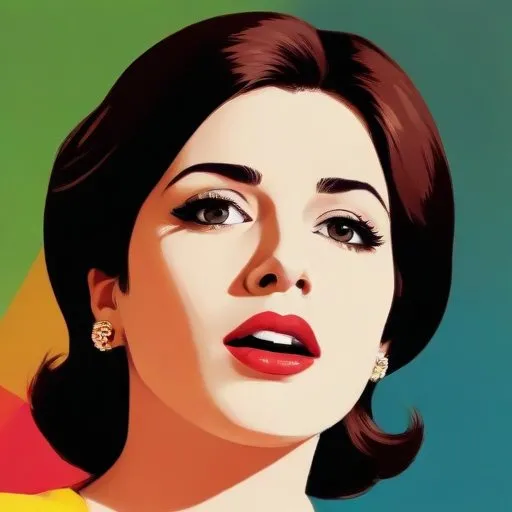
A 19th-century opera sensation, known for her powerful, expressive voice and dramatic intensity on stage, captivating audiences in Europe and beyond.
Maria Malibran was a Spanish singer renowned for her breathtaking vocal range, power, and flexibility, leaving an indelible mark on the world of opera in the 19th century. This contralto-turned-soprano sensation was known for her dramatic intensity and stormy personality, captivating audiences with her unforgettable performances.
Born in Paris on March 24, 1808, Maria Felicitas García Sitches was destined for greatness, hailing from a prominent Spanish musical family. Her mother, Joaquina Sitches, was an accomplished actress and operatic singer, while her father, Manuel García, was a celebrated tenor and influential vocal instructor. García's tutelage was instrumental in shaping Maria's remarkable voice, although their lessons often devolved into fiery quarrels between two strong-willed individuals.
Maria made her stage debut at the tender age of eight in Naples, performing alongside her father in Ferdinando Paër's Agnese. By 17, she was singing in the choir of London's King's Theatre, where she eventually replaced prima donna Giuditta Pasta as Rosina in Rossini's The Barber of Seville. The audience was enamored with the young mezzo, and she went on to perform the role throughout the season.
In 1825, María's father took his operatic troupe, comprising family members, to New York City, introducing Italian opera to the American stage for the first time. Over nine months, María performed lead roles in eight operas, mesmerizing audiences with her vocal prowess. This groundbreaking tour not only showcased her talent but also paved the way for future generations of opera singers.
Maria Malibran's life was cut short in a tragic horse riding accident on September 23, 1836, at the age of 28. Her untimely death cemented her legendary status, and she remains one of the most celebrated opera singers of the 19th century. Her influence can be seen in the careers of later sopranos, including her own sister, Pauline Viardot, who went on to become a renowned singer in her own right.
María's life and career were marked by a fierce passion and dedication to her craft. Her unwavering commitment to her art continues to inspire generations of musicians and artists. Her legacy serves as a testament to the transformative power of music and the importance of pursuing one's passion, no matter the obstacles.
"Music is the divine way to tell beautiful, poetic things to the heart." - Maria Malibran
This Spanish songbird's remarkable life and career continue to captivate audiences and inspire new generations of musicians. Her legacy is a shining example of the impact that passion, dedication, and talent can have on the world of music.
Born in 1821
A renowned 19th-century soprano and composer, known for her captivating performances and innovative musical works that blended French and German styles. Her compositions, though lesser-known, showcased her unique talent and artistic vision.
Born in 1792
Operatic mastermind behind iconic comedies like "The Barber of Seville" and "William Tell," crafting catchy, witty, and playful music that still delights audiences today.
Born in 1801
Operatic mastermind behind bel canto classics like "Norma" and "La Sonnambula", renowned for their beautiful, expressive melodies and dramatic flair.
Born in 1797
A renowned Italian composer of the Romantic era, best known for his operas, particularly "L'elisir d'amore" and "Don Pasquale", which are still widely performed today.
Born in 1782
A virtuosic violinist and composer who revolutionized the instrument's technical possibilities, leaving an indelible mark on classical music.
Born in 1811
A virtuosic pianist and composer who revolutionized classical music with his technically demanding and emotionally expressive works, blending Hungarian folk influences with Romantic-era drama.
