


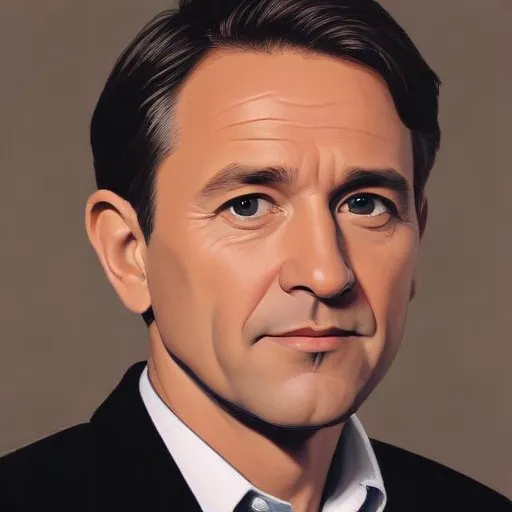
Acclaimed filmmaker behind classic Hollywood dramas and film noirs, known for his work on "Peyton Place" and "Valley of the Dolls".
Mark Robson, a Canadian-American film director, producer, and editor, is best known for his iconic contributions to Hollywood's Golden Era, having directed 34 films that continue to captivate audiences to this day. With a career spanning over four decades, Robson's work behind the camera has left an indelible mark on the film industry.
Born on December 4, 1913, in Montreal, Canada, Robson attended Roslyn Elementary School and Westmount High School in his hometown. He later pursued higher education at the University of California, Los Angeles, and Pacific Coast University School of Law. However, it was his early fascination with filmmaking that led him to work in the prop department at 20th Century Fox studios, marking the beginning of his illustrious career.
In 1940, Robson worked as an assistant to Robert Wise on the editing of Orson Welles' directorial debut, Citizen Kane. This collaboration not only earned him recognition but also led to his promotion as an editor for The Falcon's Brother (1942), an RKO B picture. Robson's editing skills were further honed through his work on Welles' Journey into Fear (1943), solidifying his position as a rising talent in the industry.
Under the guidance of producer and screenwriter Val Lewton, Robson edited a series of low-budget horror films at RKO, which have since become cult classics. This collaboration not only benefited Robson but also Robert Wise, who would go on to become a renowned director in his own right.
In 1949, Robson made his directorial debut with Champion, a critically acclaimed film that paved the way for his future directorial ventures. Throughout the 1950s, Robson directed a string of successful films, including Bright Victory (1951), The Bridges at Toko-Ri (1954), and Peyton Place (1957), which earned him two Academy Award nominations for Best Director.
Mark Robson's contribution to Hollywood's Golden Era is undeniable. His films continue to influence filmmakers and captivate audiences, cementing his place as a masterful director. With a career marked by critical acclaim, awards, and recognition, Robson's legacy serves as a testament to his dedication to the art of filmmaking.
As we reflect on Robson's life and work, we are reminded of the power of creativity and perseverance. His journey from editor to director is a testament to the importance of mentorship, collaboration, and innovation. Mark Robson's remarkable story continues to inspire generations of filmmakers, ensuring his place in the annals of cinematic history.
Born in 1899
Master of suspense, renowned for crafting iconic thrillers that blended psychological complexity with cinematic innovation, leaving an indelible mark on the film industry.
Born in 1906
Academy Award-winning filmmaker behind iconic movies like "Some Like It Hot" and "Sunset Boulevard", known for his witty dialogue and genre-bending storytelling.
Born in 1894
Acclaimed filmmaker behind iconic Westerns and dramas, credited with shaping the American cinematic landscape with his visually stunning and emotionally charged storytelling.
Born in 1896
Pioneering filmmaker behind classic movies like "Scarface" and "His Girl Friday", known for his versatile directing style and witty dialogue.
Born in 1890
Pioneering filmmaker behind iconic sci-fi and noir classics, influencing generations of directors with his visual style and storytelling. 82
Born in 1915
A pioneering filmmaker and master of cinematic storytelling, known for his innovative narrative techniques and iconic films like "Citizen Kane" and "Touch of Evil".
Born in 1909
Academy Award-winning filmmaker behind iconic movies like "All About Eve" and "Cleopatra", known for witty dialogue and strong female characters.
Born in 1899
Acclaimed director and producer behind iconic films like "My Fair Lady" and "A Star is Born", known for his sophisticated comedies and ability to elicit strong performances from actresses.
