


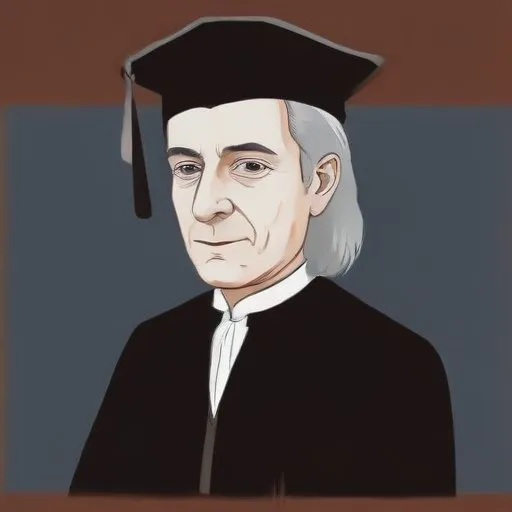
A British Army officer turned lawyer and judge, known for leading the Bloody Sunday Inquiry into the 1972 Northern Ireland shootings. He's a respected figure in British law and politics.
Known for his unwavering commitment to justice and his pivotal role in shaping the UK's legal landscape, Mark Saville, Baron Saville of Newdigate, is a British judge and former Justice of the Supreme Court of the United Kingdom. He is perhaps most renowned for chairing the Bloody Sunday Inquiry, a public inquiry commissioned by Prime Minister Tony Blair into the 1972 Bloody Sunday incident in Northern Ireland.
Saville was born on 20 March 1936 to Kenneth Vivian Saville and Olivia Sarah Frances Gray. He was educated at Rye Grammar School and later undertook National Service in the Royal Sussex Regiment between 1954 and 1956, rising to the rank of second lieutenant. After completing his military service, he went on to study at Brasenose College, Oxford, where he graduated with first-class honors in law, earning a Bachelor of Arts and a Bachelor of Civil Law degree. During his time at Oxford, Saville won the prestigious Vinerian Scholarship.
Saville's impressive academic credentials paved the way for a distinguished judicial career. He was called to the bar by the Middle Temple in 1962 and became a bencher in 1983. In 1975, he was appointed a Queen's Counsel, a testament to his exceptional legal expertise. Saville's judicial appointments include serving as a judge of the High Court in 1985, a Lord Justice of Appeal in 1994, and a Lord of Appeal in Ordinary in 1997, which came with a life peerage as Baron Saville of Newdigate of Newdigate in the County of Surrey.
In 2009, Saville became one of the inaugural Justices of the Supreme Court of the United Kingdom, a position he held until his retirement in 2010. Throughout his judicial career, Saville has been recognized for his fairness, wisdom, and dedication to upholding the principles of justice.
In 1998, Saville was appointed to chair the second Bloody Sunday Inquiry, a public inquiry into the events of 30 January 1972, when British soldiers killed 14 unarmed civilians in Derry, Northern Ireland. The inquiry, which concluded in 2010, was a significant moment in British and Irish history, providing a long-overdue explanation and vindication for the victims and their families.
Saville's leadership and meticulous approach to the inquiry earned widespread respect, with the report's publication leading to a formal apology from Prime Minister David Cameron.
Throughout his remarkable career, Mark Saville, Baron Saville of Newdigate, has left an indelible mark on the UK's legal system. His unwavering commitment to justice, his unshakeable integrity, and his dedication to upholding the principles of fairness have inspired generations of lawyers, judges, and civil servants. As a champion of human rights and a beacon of hope, Saville's legacy continues to inspire and shape the course of justice in the United Kingdom and beyond.
