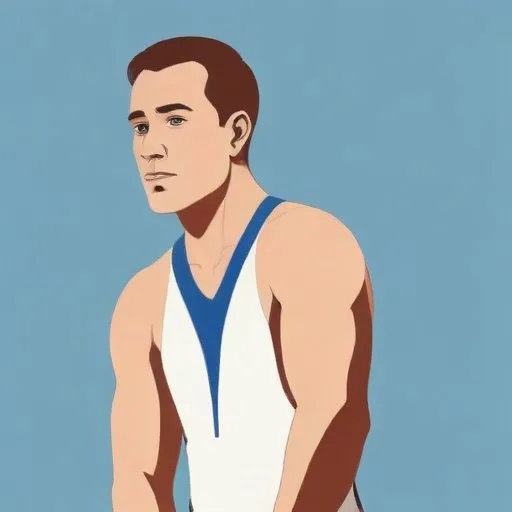
Martin Klein: The Estonian Wrestling Legend
A Silver Medalist and Record-Breaker
Martin Klein, an Estonian wrestler, made history at the 1912 Summer Olympics, becoming the first Olympic medalist born in the territory of modern Estonia. His impressive silver medal win in the middleweight class was preceded by an epic semifinal match against Alfred Asikainen, which lasted an astonishing 11 hours and 40 minutes, setting the record for the longest wrestling match ever recorded.
Early Life and Introduction to Wrestling
Born on September 12, 1884, to a farmer, Klein's journey to wrestling stardom began in his twenties. He left home at 17 to work as a sailor, but after two years, he moved to Saint Petersburg, the capital of the Russian Empire, with his brother. There, he worked in a factory and took on a nightshift job as a guardian in a wrestling club, where he discovered his passion for the sport.
Rise to Prominence
Klein's dedication to wrestling paid off when he won his first title at the St. Petersburg Championships in the unlimited class in 1910. He went on to compete at the 1913 World Championships, although he had to withdraw due to a hand injury. The same year, he claimed the Russian heavyweight title, solidifying his position as a force to be reckoned with in the wrestling world.
War, Coaching, and Legacy
During World War I, Klein served in the Russian army and later participated in the Estonian War of Independence. After the war, he turned his attention to coaching, preparing Estonian wrestlers for the 1920 Olympics. Although he was offered a place as a competitor, he selflessly declined, choosing to support his younger teammates instead. Klein continued to coach and compete in wrestling in Estonia until 1937.
Impact and Honors
In recognition of his contributions to the sport, an international Martin Klein Memorial in Greco-Roman wrestling has been held annually in Viljandi, Estonia, since 1962. Klein's legacy extends beyond his remarkable Olympic performance, as he inspired generations of Estonian wrestlers and left an indelible mark on the sport.
Personal Milestones and Key Life Events
- September 12, 1884: Born to a farmer in Estonia
- 1890s: Left home to work as a sailor
- 1900s: Moved to Saint Petersburg, worked in a factory, and started training in wrestling
- 1910: Won his first title at the St. Petersburg Championships
- 1912: Won the silver medal at the Olympic Games
- 1913: Competed at the World Championships, but withdrew due to injury
- 1913: Won the Russian heavyweight title
- World War I: Served in the Russian army and participated in the Estonian War of Independence
- 1919: Became a wrestling coach
- 1920: Refused a place as a competitor at the Olympics to support his younger teammates
- 1937: Retired from coaching and competing in wrestling
- February 11, 1947: Passed away due to complications from a hernia
Trivia and Fun Facts
- Martin Klein was buried in the Tarvastu cemetery
- He developed a hernia while moving logs, which ultimately led to his death
- Klein's record-breaking semifinal match against Asikainen was held on a sunny day outdoors
By exploring Martin Klein's remarkable life and achievements, we are reminded of the power of dedication, perseverance, and selflessness. As an Estonian wrestling legend, Klein's impact continues to inspire and motivate athletes and individuals around the world.
FAQ
What is Martin Kleins contribution to Estonian sports?
Martin Klein was a renowned Estonian wrestler and coach who made significant contributions to Estonian sports. He was known for his impressive wrestling career, which included multiple Olympic and World Championship titles.
How did Martin Kleins early life influence his sports career?
Martin Kleins early life had a profound impact on his sports career. His experiences growing up in Estonia during the early 20th century shaped his worldview and informed his athletic pursuits, adding depth and nuance to his training and competition.
What is Martin Kleins most famous achievement in wrestling?
Martin Kleins most famous achievement in wrestling is his gold medal win at the 1912 Olympic Games in Stockholm. His victory made him the first Estonian athlete to win an Olympic title, and cemented his place as one of the greatest wrestlers of all time.
What role did Martin Klein play in shaping Estonian athletics?
Martin Klein played a significant role in shaping Estonian athletics. He was one of the first Estonian athletes to achieve international success, paving the way for future generations of Estonian athletes and helping to establish the country as a force in international sports.
How did Martin Kleins work impact the development of Estonian sports?
Martin Kleins work had a profound impact on the development of Estonian sports. He helped establish a distinctly Estonian style of athletics, blending traditional folk sports with modern Olympic disciplines, and paved the way for future generations of Estonian athletes and coaches.