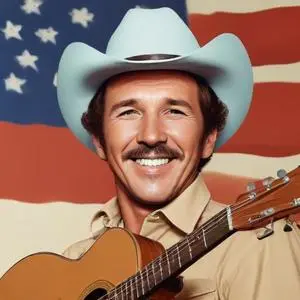
Marty Robbins: The Outlaw Country Pioneer
A Legacy of Songwriting and Speed
Marty Robbins is an American icon, known for his distinctive voice, masterful storytelling, and pioneering spirit in the country music scene. With a career spanning nearly four decades, Robbins etched his name in the annals of music history, leaving behind a legacy of chart-topping hits, award-winning songs, and a lasting impact on the genre.
Early Life and Career
Born Martin
David Robinson on September 26, 1925, in Glendale, Arizona, Robbins grew up during the Great Depression. He developed an early passion for music, teaching himself to play the guitar while serving in the United States Navy during World War II. After his time in the military, Robbins began performing in local clubs and bars, eventually landing a recording contract in 1951.
Rise to Fame
Robbins' breakthrough came in 1952 with his first No. 1 country single, "I'll Go On Alone." This marked the beginning of a successful career, with subsequent hits like "Singing the Blues" (1956), "A White Sport Coat" (1957), and "The Story of My Life" (1957). However, it was his 1959 release, "El Paso," that catapulted him to superstardom, earning him the Grammy Award for Best Country & Western Recording.
The Western Balladeer
"El Paso" marked a turning point in Robbins' career, solidifying his association with western balladry. This style, characterized by narrative-driven storytelling and a focus on the American West, became a hallmark of his music. Songs like "Big Iron" (1960) and "Devil Woman" (1962) showcased his mastery of this genre, earning him the reputation as one of the premier western balladeers of his time.
NASCAR Racing and Beyond
Robbins' passion for speed extended beyond music to the world of NASCAR racing. He was an avid racing enthusiast and participant, competing in numerous races throughout his career. This unique combination of music and motorsports made him a beloved figure in both the country music and racing communities.
Awards and Accolades
Throughout his career, Robbins accumulated numerous accolades, including:
- Two Grammy Awards
- Country Music Hall of Fame induction (1982)
- Nashville Songwriters Hall of Fame induction (1975)
- 1960s Artist of the Decade by the Academy of Country Music
- Top 100 Western Songs of All Time recognition by the Western Writers of America for "El Paso" and "Big Iron"
Legacy and Impact
Marty Robbins' influence on country music is immeasurable. He has inspired a wide range of artists, from
Johnny Cash to the Grateful Dead, and his songs have been covered by countless others. As Johnny Cash once said, "There's no greater country singer than Marty Robbins." Robbins' music continues to captivate audiences today, serving as a testament to his enduring legacy as a songwriter, musician, and American icon.
Personal Life and Quotes
Robbins was known for his humble and down-to-earth personality. He once said, "I'm not a country singer; I'm a singer who sings country music." This quote captures the essence of his approach to music, which was always rooted in authenticity and a commitment to storytelling.
Final Years and Legacy
Marty Robbins passed away on December 8, 1982, but his music lives on. His legacy extends beyond his own remarkable achievements to the generations of artists he inspired and the countless fans he touched with his music. As we look back on his remarkable career, one thing is clear: Marty Robbins will forever be remembered as a country music giant.