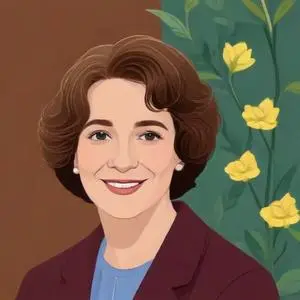
Mary Daly: A Pioneer in Radical Feminist Philosophy and Theology
A Renowned Radical Lesbian Feminist and Theologian
Mary Daly, a prominent American radical feminist philosopher and theologian, is best known for her groundbreaking work in challenging patriarchal structures and promoting feminist ethics. Throughout her career, she was a vocal critic of Christianity, eventually disavowing the faith in the early 1970s.
Early Life and Education
Born on October 16, 1928, in Schenectady, New York, Daly was raised in a Catholic environment by her Irish Catholic parents. Her early mystical experiences in nature instilled in her a sense of divinity, which would later influence her philosophical pursuits. Daly earned her Bachelor of Arts degree in English from the College of Saint Rose, followed by her Master of Arts degree in English from the Catholic University of America. She then obtained two doctorates in sacred theology and philosophy from the University of Fribourg, Switzerland, and a doctorate in religion from Saint Mary's College.
Career and Controversies
Daly's academic career spanned over three decades at Boston College, where she taught courses in theology, feminist ethics, and patriarchy. Her first book, "The Church and the Second Sex" (1968), sparked controversy and threatened her job security. However, due to public support and backing from the all-male student body, Daly was granted tenure. Her refusal to admit male students to advanced women's studies classes in the 1990s led to disciplinary action, citing that their presence inhibited class discussion. Daly argued that her actions were necessary to create a safe space for women's voices to be heard.
Philosophical Contributions and Beliefs
Daly's work focused on challenging traditional patriarchal structures, advocating for a radical feminist approach to theology and philosophy. She believed that women's experiences and perspectives were inherently valuable and deserving of recognition. Her philosophical contributions include the concept of "gynocentricity," which prioritizes women's experiences and knowledge as central to feminist thought.
Influence on Modern Society and Pop Culture
Daly's work has had a significant impact on modern feminist thought and continues to influence feminist scholars and activists. Her ideas have been referenced in popular culture, from literature to music, and have inspired a new generation of feminists. Her legacy extends beyond academia, promoting a more inclusive and equitable society.
Personal Milestones and Key Life Events
- Retirement from Boston College in 1999, following a 33-year tenure
- Publication of "Beyond God the Father: Toward a Philosophy of Women's Liberation" (1973), a seminal work in feminist theology
- Receipt of the American Humanist Association's Humanist Heroine Award in 1975
Legacy and Impact on the Field
Mary Daly's pioneering work has left an indelible mark on feminist philosophy and theology. Her courage in challenging patriarchal norms and promoting women's voices has inspired countless scholars and activists. As a radical lesbian feminist, Daly's legacy continues to inspire and empower women to challenge the status quo and strive for a more just and equitable society.
FAQ
What is Mary Dalys most notable work?
Mary Daly is best known for her book The Church and the Second Sex, a groundbreaking feminist critique of the Catholic Church and its treatment of women.
What were Mary Dalys early influences?
Dalys early influences included the works of Simone de Beauvoir, whose ideas on feminism and existentialism shaped her own philosophical outlook.
What were Mary Dalys key themes?
Dalys work often explored themes of feminist theology, patriarchy, and the liberation of women, as well as the need for a radical rethinking of religious and social institutions.
What awards did Mary Daly receive?
Daly received numerous awards and honors for her work, including the American Humanist Associations Humanist of the Year award in 1975.
What is Mary Dalys legacy?
Mary Daly left a lasting legacy in the world of feminist philosophy and theology, remembered for her courage, intellect, and contributions to the struggle for womens liberation.