


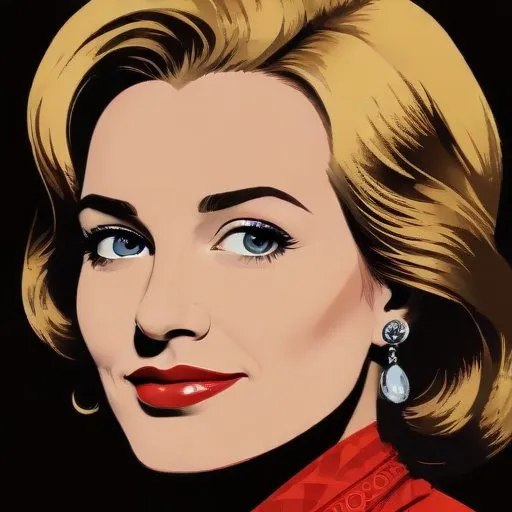
Philanthropist and socialite who supported various charitable causes, particularly in education and women's rights. Known for her generosity and dedication to improving the lives of others.
Mary Sibbet Copley, a pioneering American philanthropist and charity worker, left an indelible mark on the world of archaeology and education. Through her tireless efforts and generous contributions, she supported trailblazing women archaeologists and institutions, shaping the course of history and inspiring future generations.
Born on June 19, 1843, at Appleby Manor near Kittanning, Pennsylvania, Mary was the daughter of Margaret and Josiah Copley, a renowned editor and community figure. Her upbringing instilled in her a strong sense of social responsibility and a passion for learning.
In 1867, Mary married William Thaw, Sr., a wealthy businessman, after the passing of his first wife. Together, they had five children, including Harry Kendall Thaw, who would later make headlines for his scandalous murder of Stanford White.
Following her husband's death in 1889, Mary inherited a vast fortune, which she used to fund groundbreaking archaeological research and support women archaeologists. Notable beneficiaries of her generosity included Alice Fletcher and Zelia Nuttall, who made significant contributions to the field.
One of Mary's most enduring legacies is the Thaw Fellowship at the Peabody Museum of Archaeology and Ethnology at Harvard College. This prestigious program enabled talented scholars to pursue innovative research and excavations, furthering our understanding of human history and culture.
Mary's philanthropic spirit also extended to the Omaha Presbyterian Theological Seminary, which she supported generously throughout her life. Her initial gift of the Cozzens Hotel in 1902 was followed by regular donations, practically underwriting the institution. In 1929, she left a bequest of $150,000 to the seminary, ensuring its continued growth and development.
Mary Sibbet Copley's remarkable life was marked by her unwavering commitment to education, archaeology, and social welfare. Through her philanthropic endeavors, she empowered women, advanced knowledge, and left a profound legacy that continues to inspire and enrich our world today.
Mary passed away on June 9, 1929, just a few days shy of her 87th birthday, due to complications from pneumonia. She was laid to rest in Allegheny Cemetery in Pittsburgh, her life's work a testament to the transformative power of generosity and dedication.
Born in 1744
The wife of a Founding Father and early President, she was a strong advocate for women's rights and education, leaving behind a legacy of influential letters and diaries.
Born in 1884
A humanitarian and politician who championed human rights, women's empowerment, and social justice, leaving a lasting impact on American politics and international relations.
Born in 1912
The 38th First Lady of the United States was a passionate advocate for environmental and cultural preservation, instrumental in promoting national beautification projects and preserving America's natural wonders.
Born in 1912
The wife of President Richard Nixon, serving as First Lady from 1969 to 1974, known for her diplomatic efforts and support for the arts. She traveled extensively, visiting over 80 countries, earning the nickname "The Ambassador in a Hat."
Born in 1918
The wife of the 40th President of the United States, known for her candidness about her personal struggles with addiction and breast cancer, and her advocacy for women's rights and healthcare. She founded the Betty Ford Center for substance abuse treatment, a renowned institution that has helped countless individuals.
99 Years Old
The 41st First Lady of the United States was a humanitarian and advocate for mental health, known for her tireless work in reducing stigma around mental illness and promoting care for those affected. She also supported her husband's presidency, playing a key role in his administration.
Born in 1921
The 42nd First Lady of the United States was an actress and activist who played a crucial role in the "Just Say No" anti-drug campaign and supported her husband's presidential policies. She was a fashion icon and a prominent figure in the White House during the 1980s.
