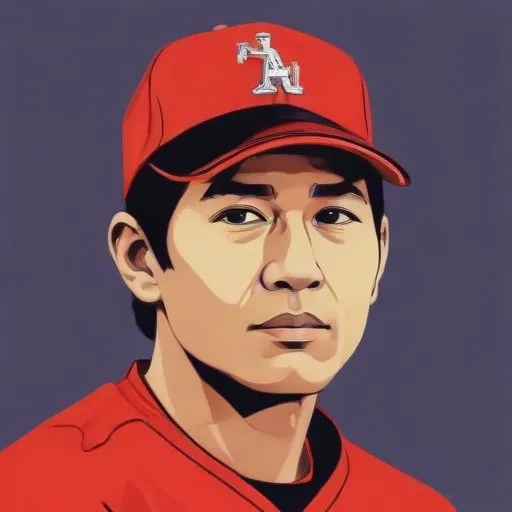
The Emperor of Japanese Baseball: Masaichi Kaneda's Unparalleled Legacy
Masaichi Kaneda, the iconic Japanese professional baseball pitcher, is renowned for being the only pitcher in Japanese baseball history to have won 400 games, earning him the esteemed title of "The Emperor" of Japanese baseball. With a storied career spanning over two decades, Kaneda dominated the sport, shattering numerous records and etching his name in the annals of Japanese baseball lore.
A Humble Beginning
Born on August 1, 1933, in Heiwa, Aichi Prefecture, Japan, to Korean parents, Kaneda's journey to becoming a baseball legend began when he quit high school in 1950 to join the Kokutetsu Swallows (now known as the Tokyo Yakult Swallows) in the middle of the same year. The Swallows, a struggling team at the time, proved to be the perfect platform for Kaneda to hone his skills and rise to prominence.
A Dominant Force on the Mound
Kaneda's exceptional fastball and trademark drop curve earned him recognition as the best pitcher in Japan. Despite initial control issues, which saw him walk over 190 batters in 1951 and 1952, Kaneda persevered, refining his technique to eventually establish the all-time Japanese record for walks. His blazing fastball, which he claimed reached 100 mph during his prime, left batters bewildered.
An Unmatched Career
Kaneda's illustrious career was marked by an unprecedented 14 consecutive seasons with 20 or more wins. He won 400 games, with approximately 90 of those victories coming with the Swallows. This remarkable achievement is all the more impressive considering the weak team he played for during most of his career.
Awards and Accolades
In recognition of his outstanding contributions to Japanese baseball, Kaneda was inducted into the Japanese Baseball Hall of Fame in 1988. His numerous Nippon Professional Baseball (NPB) career records serve as a testament to his enduring legacy.
Philosophical Contributions and Beliefs
Kaneda's remarkable career was built on a strong work ethic, discipline, and an unwavering passion for the game. His dedication to his craft inspired generations of Japanese baseball players, serving as a shining example of what could be achieved through hard work and perseverance.
Impact on Modern Society
Kaneda's influence on Japanese baseball extends beyond his on-field achievements. He played a pivotal role in popularizing the sport in Japan, inspiring countless young players to take up the game. His legacy continues to inspire and motivate aspiring baseball players, ensuring his impact on modern society endures.
Personal Milestones and Key Life Events
- Born on August 1, 1933, in Heiwa, Aichi Prefecture, Japan
- Quit high school in 1950 to join the Kokutetsu Swallows
- Inducted into the Japanese Baseball Hall of Fame in 1988
- Passed away on October 6, 2019
Historical Context and Legacy
Masaichi Kaneda's remarkable career is a testament to his unwavering dedication, perseverance, and passion for Japanese baseball. His enduring legacy continues to inspire and influence generations of baseball players, solidifying his position as one of the greatest pitchers in Japanese baseball history.
FAQ
What was Masaichi Kanedas career as a baseball player like?
Kaneda was a dominant pitcher in Japanese professional baseball, playing for the Kokutetsu Swallows and later becoming a successful manager.
What were Masaichi Kanedas most notable achievements in baseball?
Kaneda won 400 games in his career, a record for Japanese professional baseball, and was inducted into the Japanese Baseball Hall of Fame in 1984.
What was Masaichi Kanedas role in the development of Japanese baseball?
Kaneda played a key role in popularizing baseball in Japan, helping to establish the sport as a major national pastime.
What was Masaichi Kanedas early life and education like?
Kaneda was born in Nagoya, Japan, and developed an early interest in baseball, eventually becoming a star player at Aichi High School.
What awards and honors did Masaichi Kaneda receive?
Kaneda received several awards, including the Peoples Honour Award and the Order of the Rising Sun, in recognition of his contributions to Japanese baseball.