


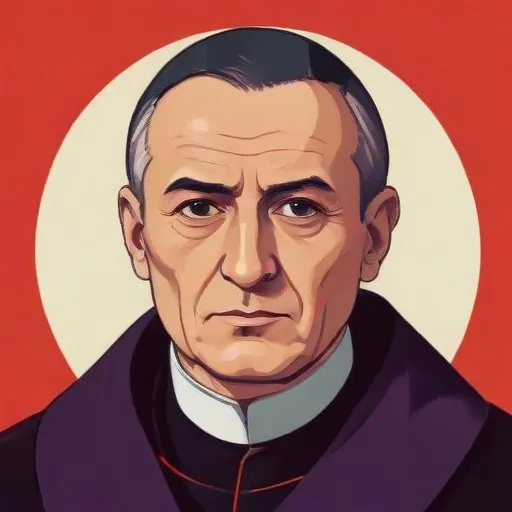
A Serbian Orthodox priest who played a key role in the country's struggle for independence, serving as its first Prime Minister and chronicling its history. He's also known for his historical writings.
Matija Nenadovi, a Serbian archpriest, writer, and politician, is best known for his pivotal role as the first prime minister of Serbia from 1805 to 1807, and his instrumental leadership in the First Serbian Uprising.
Ordained as a priest at the tender age of 16, Matija Nenadovi's dedication to his people and his faith would be a common thread throughout his life. He later became an archpriest, colloquially known as "prota," in Valjevo, where he served his community with unwavering commitment.
In 1804, Matija's father, Aleksa Nenadovi, a respected public figure, was brutally murdered by the Dahias, a group of Janissaries who sought to intimidate the Serbs into submission. This event sparked a fire within Matija, and he became the deputy commander of the insurgents in the Valjevo district, fighting against Turkish rule and paving the way for the First Serbian Uprising.
In 1805, Matija was sent on a secret mission to St. Petersburg, where he utilized his diplomatic skills to secure support for the Serbian cause. He would go on to serve as Serbia's envoy to Russia, Austria, Bucharest, and Constantinople, earning him recognition as a master diplomat and strategist.
Following the fall of Karadjordje in 1813, Matija was appointed as representative of Serbia to the Congress of Vienna, where he tirelessly pleaded the Serbian case, bringing the nation's plight to the attention of European leaders, including Lord Castlereagh.
Matija Nenadovi's influential memoirs, Memoari Prote Mateje Nenadovia, remain a valuable resource for historians, providing a firsthand account of the First Serbian Uprising and the early years of Serbia's struggle for independence.
Today, Matija Nenadovi is remembered as a trailblazing leader who fought against overwhelming odds to secure a better future for his people. His courage, diplomacy, and unwavering commitment to the Serbian cause have cemented his place as one of the most important figures in Serbian history.
