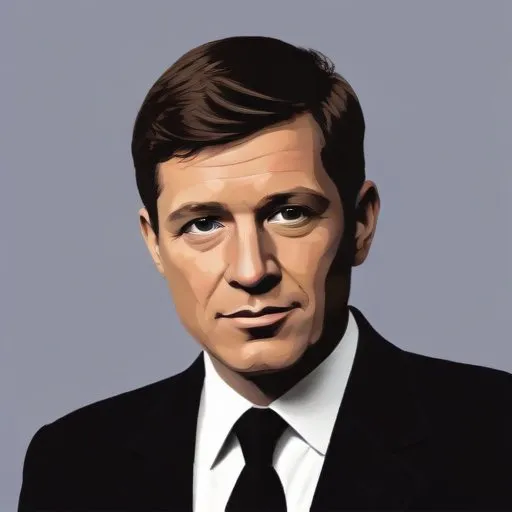
Max Brand: The Master of Western Stories and Creator of Dr. James Kildare
A Legacy of Cowboy Tales and Medical Drama
Max Brand, the pseudonym of Frederick Schiller Faust, is renowned for his captivating Western stories and the iconic character of Dr. James Kildare, a young medical intern who captured the hearts of readers worldwide. With a prolific career spanning multiple genres, Brand's works have left an indelible mark on popular culture.
Early Life and Writing Career
Born on May 29, 1892, in Seattle, Washington, Faust began writing at an early age, influenced by his love of nature and the American West. He adopted various pseudonyms, including George Owen Baxter, Evan Evans, and Peter Dawson, to name a few, under which he wrote numerous stories and novels. His early works were primarily focused on Western fiction, with his first published story, "The Untamed," appearing in 1919.
The Birth of Dr. Kildare
In the 1930s, Brand created the character of Dr. James Kildare, a young doctor navigating the challenges of medicine and love. The series, which began with the publication of "Internes Can't Take Money" (1936), catapulted Brand to fame, and Dr. Kildare became a cultural icon, inspiring numerous adaptations in film, radio, television, and comics.
A Prolific Author and Versatile Storyteller
Brand's writing repertoire extended beyond Westerns and medical dramas to include historical swashbucklers, such as the Tizzo the Firebrand series, written under the pseudonym George Challis. His works showcased his remarkable ability to craft engaging stories, memorable characters, and vivid settings, transporting readers to the American West, Renaissance Italy, and beyond.
War Correspondent and Sacrifice
During World War II, Brand served as a war correspondent in Italy, where he was tragically wounded by shrapnel in 1944. His experience as a soldier and journalist profoundly impacted his writing, influencing his perspective on life, humanity, and the importance of storytelling.
Legacy and Impact
Max Brand's contributions to literature and popular culture are immeasurable. His works have inspired generations of writers, filmmakers, and audiences alike. The Dr. Kildare series, in particular, has left a lasting imprint on the medical drama genre, paving the way for future adaptations and iterations.
Notable Works
Some of Brand's most notable works include:
- The Dan Barry series: "The Untamed" (1919), "The Night Horseman" (1920), and "The Seventh Man" (1921)
- Ronicky Doone Trilogy: "Ronicky Doone" (1921), "Ronicky Doones Treasures" (1922), and "Ronicky Doones Rewards" (1922)
- Silvertip series: "Silvertip" (1941), "The Man from Mustang" (1942), "Silvertips Strike" (1942), and "Silvertips Roundup" (1942)
A Lasting Legacy
Max Brand's remarkable life, marked by his love of storytelling, his bravery as a war correspondent, and his sacrifice, continues to inspire and captivate audiences today. His works remain a testament to the power of imagination, creativity, and the human spirit.
FAQ
What type of writing did Max Brand engage in?
Max Brand was a prolific writer who engaged in a wide range of literary activities, including fiction, non-fiction, and journalism. He is best known for his Western novels and his Dr. Kildare series.
What is Max Brands most famous literary work?
Max Brands most famous literary work is his Dr. Kildare series, which follows the adventures of a young doctor in the American West.
What inspired Max Brands writing style?
Max Brands writing style was inspired by his experiences as a journalist and his love of the American West. He was particularly influenced by the works of authors such as Zane Grey and Owen Wister.
What is the significance of Max Brands contributions to literature?
Max Brands contributions to literature are significant because he helped to shape the development of the Western genre, and his Dr. Kildare series has become a classic of American literature.
How did Max Brands experiences as a journalist influence his writing?
Max Brands experiences as a journalist influenced his writing by giving him a strong foundation in research and reporting, which he used to create vivid and realistic settings and characters in his fiction.