


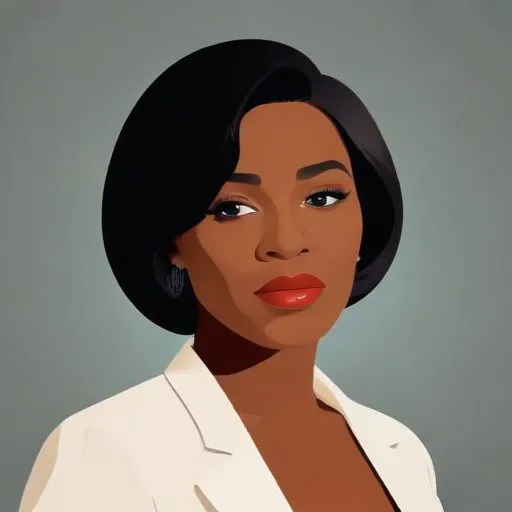
A jazz vocalist and actress known for her smooth, expressive tone and iconic rendition of "Loch Lomond". She was a pioneering female jazz singer of the 1930s and 1940s.
Maxine Sullivan, born Marietta Williams, was an American jazz vocalist and performer who left an indelible mark on the music industry with her smooth, velvety voice and impeccable phrasing. She is best known for her iconic 1937 recording of the Scottish folk song Loch Lomond, which showcased her unique ability to swing and sway to the rhythm.
Born on May 13, 1911, in Homestead, Pennsylvania, Sullivan began her music career singing in her uncle's band, The Red Hot Peppers. She occasionally played the flugelhorn and valve trombone, in addition to singing, demonstrating her early versatility as a musician.
In the mid-1930s, Sullivan was discovered by Gladys Mosier, who introduced her to pianist Claude Thornhill. This chance meeting led to her first recordings in June 1937, which marked the beginning of her rise to fame.
Sullivan's early success with "Loch Lomond" branded her style, leading her to sing similar swing arrangements of traditional folk tunes, mostly arranged by Thornhill. Her unique vocal approach and Thornhill's innovative arrangements resulted in hits like "If I Had a Ribbon Bow" and "I Dream of Jeanie".
Her popularity also led to a brief appearance in the 1938 film Going Places with Louis Armstrong, further solidifying her status as a rising star in the music industry.
In 1940, Sullivan and her second husband, bassist John Kirby, were featured on the radio program Flow Gently Sweet Rhythm, making them the first black jazz stars to have their own weekly radio series.
Throughout her career, Sullivan collaborated with prominent musicians, including Louis Armstrong, Benny Carter, and Coleman Hawkins, demonstrating her ability to adapt to different styles and genres.
Sullivan's influence on modern jazz vocalists is undeniable. Singer Peggy Lee has credited Sullivan as a key influence, and other notable vocalists, such as Ella Fitzgerald and Sarah Vaughan, have followed in her footsteps.
Sullivan's contribution to jazz extends beyond her music. She paved the way for future generations of female jazz vocalists, breaking down barriers and challenging racial and gender stereotypes.
Throughout her illustrious career, Sullivan received numerous accolades, including the prestigious DownBeat Jazz Hall of Fame award and the Pittsburgh Jazz Hall of Fame award.
Her legacy continues to inspire new generations of musicians and music lovers alike, ensuring her place as one of the greatest jazz vocalists of all time.
Born in 1915
Legendary jazz vocalist and actress known for her expressive, emotive singing style and iconic songs like "God Bless the Child" and "Strange Fruit".
Born in 1917
A virtuosic jazz vocalist known for her pure, expressive tone, impeccable phrasing, and incredible scat singing abilities. She won 13 Grammy Awards and recorded over 200 albums.
Born in 1901
A legendary jazz musician who revolutionized the genre with his unique trumpet playing and raspy vocals, leaving an indelible mark on American music.
Born in 1924
A legendary jazz vocalist and pianist, known for her powerful, soulful voice and iconic renditions of blues and jazz standards.
Born in 1924
A highly influential jazz vocalist known for her rich, velvety tone and impressive technical ability, particularly in the bebop and swing genres.
Born in 1920
A sultry-voiced jazz singer-songwriter and actress who mesmerized audiences with her smooth, velvety tone and timeless hits like "Why Don't You Do Right?" and "Fever".
Born in 1920
A renowned jazz vocalist, pianist, and actress who interpreted lyrics with emotional depth and phrased with impeccable timing, known for her distinctive, expressive voice and impressive scat singing abilities.
Born in 1919
Jazz vocalist known for her distinctive, virtuosic singing style and iconic performances at the 1958 Newport Jazz Festival. She was a pioneer for female jazz musicians, breaking down barriers with her talent and determination.
