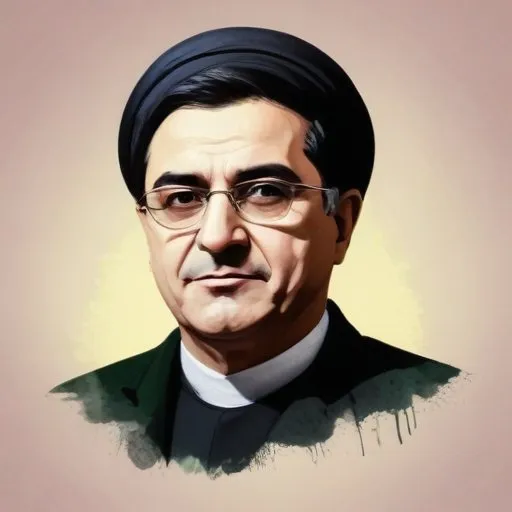
Mehrdad Pahlbod: The Visionary Architect of Iranian Culture
A Life Dedicated to Preserving Iran's Rich Heritage
Mehrdad Pahlbod, a name synonymous with Iranian culture and politics, served as the first culture minister of Iran from 1964 to 1978, shaping the country's artistic landscape during a transformative period in its history. As a visionary leader, he brought about a cultural renaissance, fostering a deep appreciation for Iran's rich heritage and promoting its arts globally.
Early Life and Influences
Born Ezatollah Minbashian on March 16, 1917, in Tehran, Mehrdad Pahlbod came from a family steeped in music. His father, Colonel Nasrullah Minbashian, was a renowned musician and conductor of the Imperial Iranian Army Band Corps. Mehrdad's relative, GholamHossein Minbashian, was a professional violinist and conductor of the Tehran City Hall Symphony Orchestra, later Tehran Symphony Orchestra, and the director of Tehran Conservatory of Music.
Mehrdad's early exposure to the world of music and arts instilled in him a deep passion for creative expression, which would later become the driving force behind his groundbreaking work in Iranian culture.
Pursuing Higher Education and Early Career
After completing his studies in architecture in Switzerland, Mehrdad returned to Tehran and took up the role of vice president of the Persian Fine Arts Administration in 1956, an organization that would later become the Iranian Ministry of Culture. This marked the beginning of his illustrious career in politics and the arts.
Rise to Prominence: Deputy Prime Minister and Minister of Culture
Between March 1964 and January 1965, Mehrdad served as the deputy prime minister in the cabinet led by Hassan Ali Mansur. This position laid the foundation for his subsequent appointment as the minister for culture and the arts, a role he held from 1965 to 1978. During this period, he implemented various initiatives to promote Iranian arts, culture, and education, earning him widespread recognition and respect.
Awards and Honors
Mehrdad Pahlbod's contributions to Iranian culture and politics did not go unnoticed. He was honored with numerous awards and medals, including:
- Order of Homayoun 1st Class
- Order of the Crown 4th Class
- Coron Medal in Gold (1967)
- 2,500-year celebration of the Persian Empire Medal in Gold (October 15, 1971)
- Knight of Grand Cross of the Order of Merit of the Italian Republic (December 15, 1974)
Personal Life and Later Years
Mehrdad Pahlbod married Princess Shams Pahlavi and secretly converted to Catholic Christianity from Shia Islam in the 1950s while living in Egypt. Following the 1979 Islamic Revolution, he went into exile in Los Angeles, where he passed away on August 9, 2018, at the remarkable age of 101.
Legacy
Mehrdad Pahlbod's remarkable life and achievements have left an indelible mark on Iranian culture and politics. As a visionary leader, he not only promoted the arts but also preserved Iran's rich heritage, inspiring future generations to appreciate and celebrate their cultural identity. His dedication to his craft and his country will forever be remembered as a testament to his unwavering passion and commitment to the preservation of Iranian culture.
FAQ
What was Mehrdad Pahlbods role in the government of Iran?
Mehrdad Pahlbod was an Iranian politician who served as the Minister of Culture and Arts under the Pahlavi dynasty. He was a key figure in the Iranian government and played a significant role in promoting cultural and artistic development in Iran.
What cultural and artistic initiatives did Mehrdad Pahlbod support during his tenure?
Mehrdad Pahlbod was a strong supporter of cultural and artistic development in Iran, and during his tenure, he initiated several programs to promote literature, music, and art in the country.
How did Mehrdad Pahlbods policies impact the cultural landscape of Iran?
Mehrdad Pahlbods policies had a profound impact on the cultural landscape of Iran, promoting a cultural renaissance and encouraging the development of traditional Iranian arts and literature.
What was Mehrdad Pahlbods relationship with the Pahlavi dynasty?
Mehrdad Pahlbod was a close ally of the Pahlavi dynasty, and served under Mohammad Reza Pahlavi. He was a trusted advisor and played a key role in shaping the cultural and artistic policies of the government.
How is Mehrdad Pahlbod remembered in Iranian history?
Mehrdad Pahlbod is remembered in Iranian history as a champion of cultural and artistic development, who played a significant role in promoting Iranian culture and arts during a period of rapid modernization and change.